

Maddy summaryThis bill, known as the Justice for Allie Act, would create a new federal crime for coercing adults with specific disabilities into sending intimate images. It directly affects individuals aged 18 and older who have conditions like autism, intellectual disabilities, cerebral palsy, Down syndrome, dementia, or schizophrenia that may limit their ability to protect themselves from exploitation. The law prohibits anyone from using mail or interstate communications to persuade, induce, entice, or coerce these protected adults to transmit intimate visual depictions with the intent to harm them. Penalties include fines and up to one year in prison for a first offense, or up to two years for repeat offenses. The bill defines harm broadly to include physical, psychological, financial, or reputational damage.
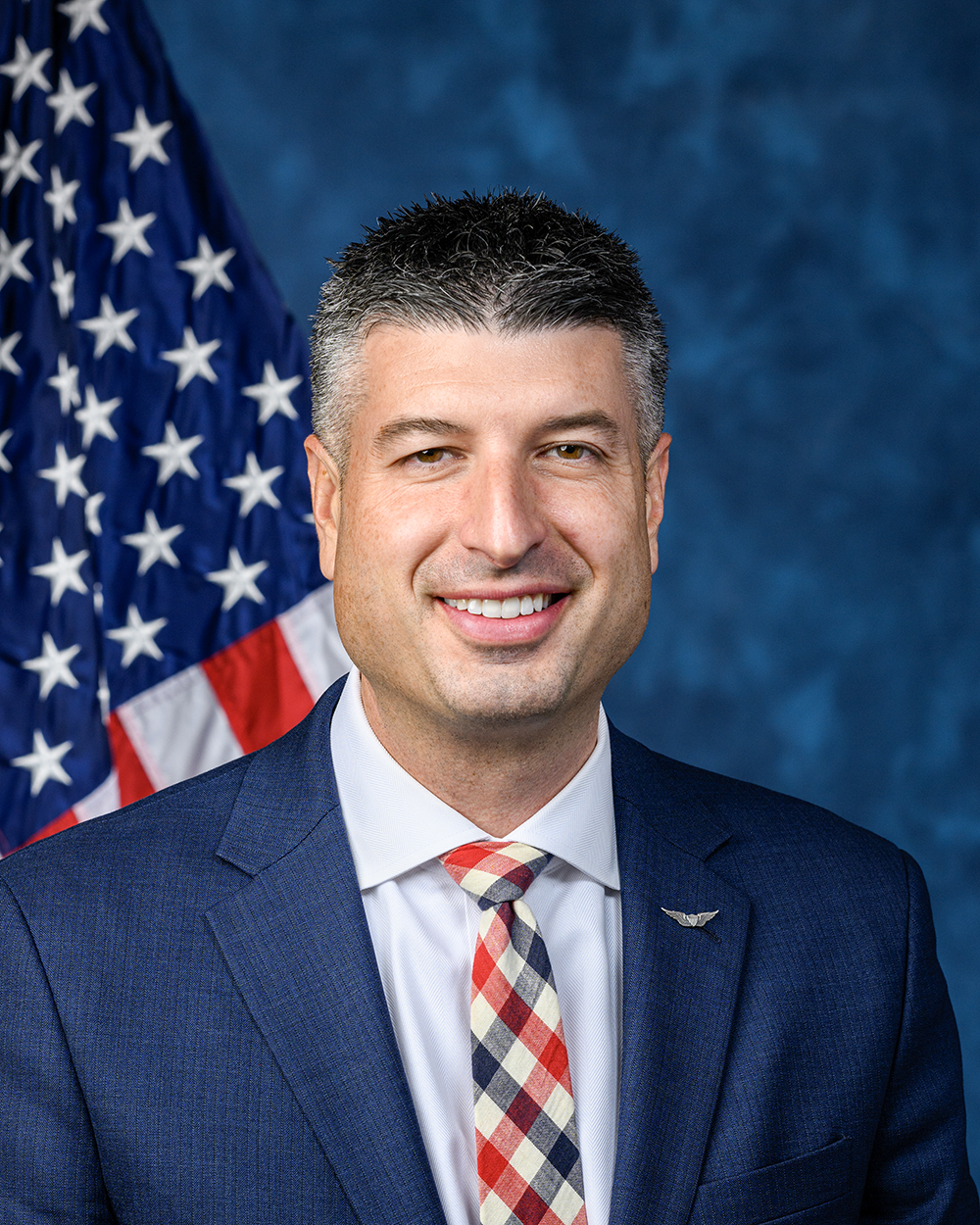
Rep. Tom Barrett
Sponsored bills
Maddy summaryHRES 1070 is a non-binding House resolution congratulating Michigan athletes who competed in the 2026 Milano Cortina Olympics and Paralympics. It formally honors 232 U.S. athletes (including 88 Michigan-affiliated competitors) who represented Team USA, highlighting their collegiate backgrounds and achievements. The resolution specifically recognizes Michigan Olympians and Paralympians like Dylan Larkin and Emilea Zingas through symbolic language. It has no policy impact or legal effect, serving solely as a ceremonial expression of support for athletes.
Maddy summaryHR 7241, the Protect Veterans from the THIEF Act, prohibits Department of Veterans Affairs (VA) contractors from selling or disclosing veterans' sensitive health and personal information. It requires all VA contracts (new or existing) to include clauses banning the monetization, sale, or misuse of covered information - such as protected health data or personally identifiable information. Within one year of enactment, the VA must update contracts, issue compliance guidance, and submit a report to Congress detailing these changes. This bill directly protects veterans by preventing their private data from being exploited by contractors handling VA records.
Maddy summaryThis bill amends the tax code to allow first-time homebuyers to use funds from 529 college savings plans for home purchases without tax penalties, under specific conditions. It permits tax-free withdrawals of the original contributions (plus earnings) if the account was maintained for 15 years, the funds are used within 60 days for a first home purchase, and the total lifetime withdrawals do not exceed $35,000. If the home is sold within 5 years, a recapture tax may apply based on the time held. It directly affects first-time homebuyers who have maintained 529 plans for 15 years and use the funds for qualifying home purchases.
Maddy summaryThe No Tax Dollars for Terrorists Act requires the U.S. State Department to identify foreign countries and organizations receiving U.S. foreign aid that have provided financial or material support to the Taliban, including the amounts of aid they receive and the support they give to the Taliban. It mandates a strategy to use U.S. aid to discourage such support, with initial and follow-up reports to Congress on the strategy and its implementation. The bill also demands detailed reports on U.S. cash assistance programs in Afghanistan and the Afghan Fund, explaining how funds are transferred (including traditional money transfer systems) and how safeguards prevent Taliban access.
Maddy summaryThis bill increases the home sale exclusion for surviving spouses from $250,000 to $500,000 under specific conditions. It directly affects individuals who sell their primary residence after their spouse's death, provided they met the original home sale exclusion requirements before the spouse's death and have not remarried at any time after the spouse's death until the sale occurs. The key provision amends the Internal Revenue Code to substitute $500,000 for $250,000 in calculating the exclusion for qualifying sales. The change applies to taxable years beginning after the bill's enactment date.
Maddy summaryThis bill expands eligibility for VA home loans to certain reserve component members and National Guard personnel who previously did not qualify as veterans. It creates a new category for individuals with at least 14 days of qualifying service (including inactive duty training, annual training, or full-time National Guard duty) who complete entry-level training. These members gain access to guaranteed home loans but must pay an additional 1% loan fee. The VA must notify qualifying members after they finish training, and the changes apply retroactively to service since September 11, 2001.
Maddy summaryThis bill prevents state or local governments from banning or restricting energy connections (like installation, modification, or access) based on the type or source of energy, such as electricity, natural gas, or renewable fuels. It directly affects consumers choosing energy providers and energy companies seeking to offer services. The key provision prohibits local laws, regulations, or policies that limit energy services sold in interstate commerce, covering all energy types listed in the bill’s definitions. It does not create new programs but limits regulatory authority at the state or local level. The law aims to ensure open access to diverse energy sources without source-based restrictions.
Maddy summaryThe Make Elections Great Again Act (HR 7300) would require voters to present photo identification to cast ballots in person or by mail for federal elections, with limited exceptions for religious objections or military voters. It would establish new requirements for proving U.S. citizenship during voter registration, including documentary proof of citizenship and proof of state residency. The bill would change mail-in ballot procedures by requiring voters to request mail-in ballots (rather than universal mail-in voting), implementing barcode tracking for mail-in ballots, and setting strict deadlines for ballot receipt. These provisions would apply to all states for federal elections held in 2027 or later, affecting how voters register, vote in person, and submit mail-in ballots for federal office elections.
Maddy summaryHR 6635, the Bus Operator Safety and Security Act, requires new fixed-route buses over 30 feet long (with a 10+ year lifespan) purchased using federal transit funds to have physical barriers at the driver's workstation. These barriers must extend from floor to ceiling, fully enclose the workstation to block entry of people or objects, and not obstruct the driver's view. Transit agencies must install these barriers within two years of the law's enactment, unless the labor union representing bus drivers agrees to waive the requirement. The rule applies only to new buses bought with federal funds (excluding those from rural transportation programs) and directly affects transit agencies and bus drivers operating large fixed-route vehicles.