

Maddy summaryHRES 1566 is a symbolic House resolution honoring all U.S. veterans on Veterans Day 2024. It recognizes the service and sacrifice of the estimated 15.8 million veterans living in the U.S. as of 2023, including those who served in conflicts from World War II to post-9/11. The resolution calls on the American public to observe Veterans Day to acknowledge veterans' role in preserving national freedom. As a non-binding resolution, it has no direct policy impact but formally expresses congressional recognition of veterans' contributions.
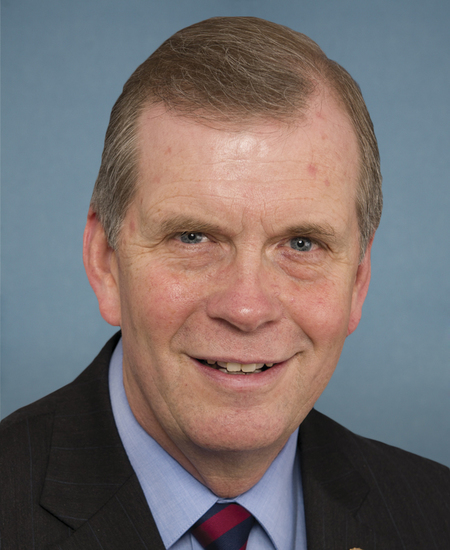
Rep. Tim Walberg
Sponsored bills
Maddy summaryThis bill prohibits federal agencies from using the social cost of carbon, methane, nitrous oxide, or greenhouse gases in regulatory decisions. It bans these climate impact estimates from cost-benefit analyses, rulemaking, and agency guidance documents. Agencies must report past use of these metrics since 2009 to Congress. The law removes specific climate cost calculations from energy regulations.
Maddy summaryThis bill creates a federal tax credit for individuals who contribute to scholarship granting organizations (SGOs) that provide scholarships for elementary and secondary education. Taxpayers can claim a credit equal to up to 10% of their adjusted gross income or $5,000 (whichever is less) for contributions to SGOs that provide scholarships for students from households earning no more than 300% of the area median income. Scholarships can cover tuition, educational materials, tutoring, testing fees, and educational therapies, with SGOs required to verify income, undergo independent audits, and meet strict distribution rules. The program would operate with a $5 billion annual cap from 2025-2028, prohibit government control over SGOs or private/religious schools, and prevent discrimination based on religious affiliation.
Maddy summaryHR 736, the PROTECT Kids Act, requires elementary and middle schools receiving federal funding to obtain parental consent before changing a minor student's gender markers, pronouns, or preferred name on school forms, or allowing changes to sex-based accommodations like bathrooms or locker rooms. The bill directly affects public schools that receive federal education funds, mandating parental involvement in these specific educational decisions. Key provisions establish this consent requirement as a condition for continued federal funding. The legislation aims to ensure parents are informed about their child's educational and care-related accommodations, without specifying outcomes or commenting on the cited school practices.
Maddy summaryHRES 1493 is a symbolic congressional resolution condemning Vice President Kamala Harris for her past support of climate policies as a senator. It specifically references her 2019 cosponsorship of the Green New Deal resolution and her 2020 climate plan proposals, which the resolution claims would increase national debt and harm energy independence. The resolution does not create new laws or affect any policies - it only expresses disapproval of these historical positions. It has no legal effect or direct impact on current legislation or constituents.
Maddy summaryHJRES 136 is a resolution seeking to block an Environmental Protection Agency (EPA) rule that would have set new emissions standards for light and medium-duty vehicles sold in 2027 and later model years. The EPA rule, published in April 2024, aimed to require vehicle manufacturers to meet stricter pollution limits for these vehicles. If passed, this resolution would cancel the rule, preventing the EPA from enforcing the new standards. It uses a congressional process that allows Congress to reject agency rules with a simple majority vote.
Maddy summaryHRES 1489 is a symbolic House resolution designating the week of September 23-27, 2024, as "National Clean Energy Week." It expresses congressional support for recognizing clean energy's role in economic growth (citing 8.35 million jobs in the sector) and encourages voluntary actions like public awareness, investment in clean energy technologies, and supporting local clean energy jobs. The resolution does not create new laws, funding, or obligations - it only formally endorses the week-long observance to highlight clean energy’s economic and environmental benefits. It directly affects no specific group but aims to raise national awareness of the clean energy sector.
Maddy summaryHJRES 144 is a congressional disapproval resolution targeting a specific rule issued by the Bureau of Alcohol, Tobacco, Firearms, and Explosives (ATF) on April 19, 2024. The resolution seeks to block the ATF's rule that redefined the term "engaged in the business" for firearm dealers, which would have affected how federal licensing requirements apply to certain sellers. If enacted, this resolution would nullify the rule, preventing it from taking effect under procedures in Title 5 of the U.S. Code. The bill directly impacts firearm dealers operating under the current regulatory framework and the ATF's enforcement authority.
Maddy summaryThe FUTURE Networks Act (HR 1513) directs the Federal Communications Commission (FCC) to establish a 6G Task Force within 120 days of enactment. The Task Force, composed of industry representatives (excluding "not trusted" entities tied to national security risks), public interest groups, and government officials, must publish a draft report within 180 days and a final report within one year. This report will detail industry standards for 6G technology, potential uses, technical limitations (including supply chain and cybersecurity), and federal/state/local coordination strategies for deployment. The bill does not create new regulations but mandates a government-led study to inform future 6G policy development.
Maddy summaryThis bill (HJRES 163) is a congressional disapproval resolution targeting an Environmental Protection Agency (EPA) rule finalized on May 9, 2024. The EPA rule established new emissions standards for greenhouse gases from fossil fuel power plants (both new and existing) and repealed a previous rule called the Affordable Clean Energy Rule. The resolution would block this EPA rule from taking effect by invoking the Congressional Review Act (Chapter 8 of Title 5, U.S. Code). If passed, it would prevent the EPA rule from being enforced, directly affecting fossil fuel power plant operators and the EPA’s regulatory authority over emissions.