

Maddy summaryHR 3538, the Wildlife Confiscations Network Act of 2025, establishes a national network to handle the care of live wildlife seized at U.S. borders due to illegal trafficking. It creates a coordinated system where Federal wildlife law enforcement (like the U.S. Fish and Wildlife Service) can partner with qualified facilities - including zoos, sanctuaries, and rehabilitation centers - to provide immediate care, maintain evidence integrity, and manage long-term placement for confiscated animals. The bill expands a successful Southern California pilot that already placed over 4,100 animals by creating a centralized database and single point of contact for law enforcement. It authorizes $5 million annually (2026-2030) to support this network, directly affecting border agencies and participating care facilities while addressing capacity gaps at ports of entry.
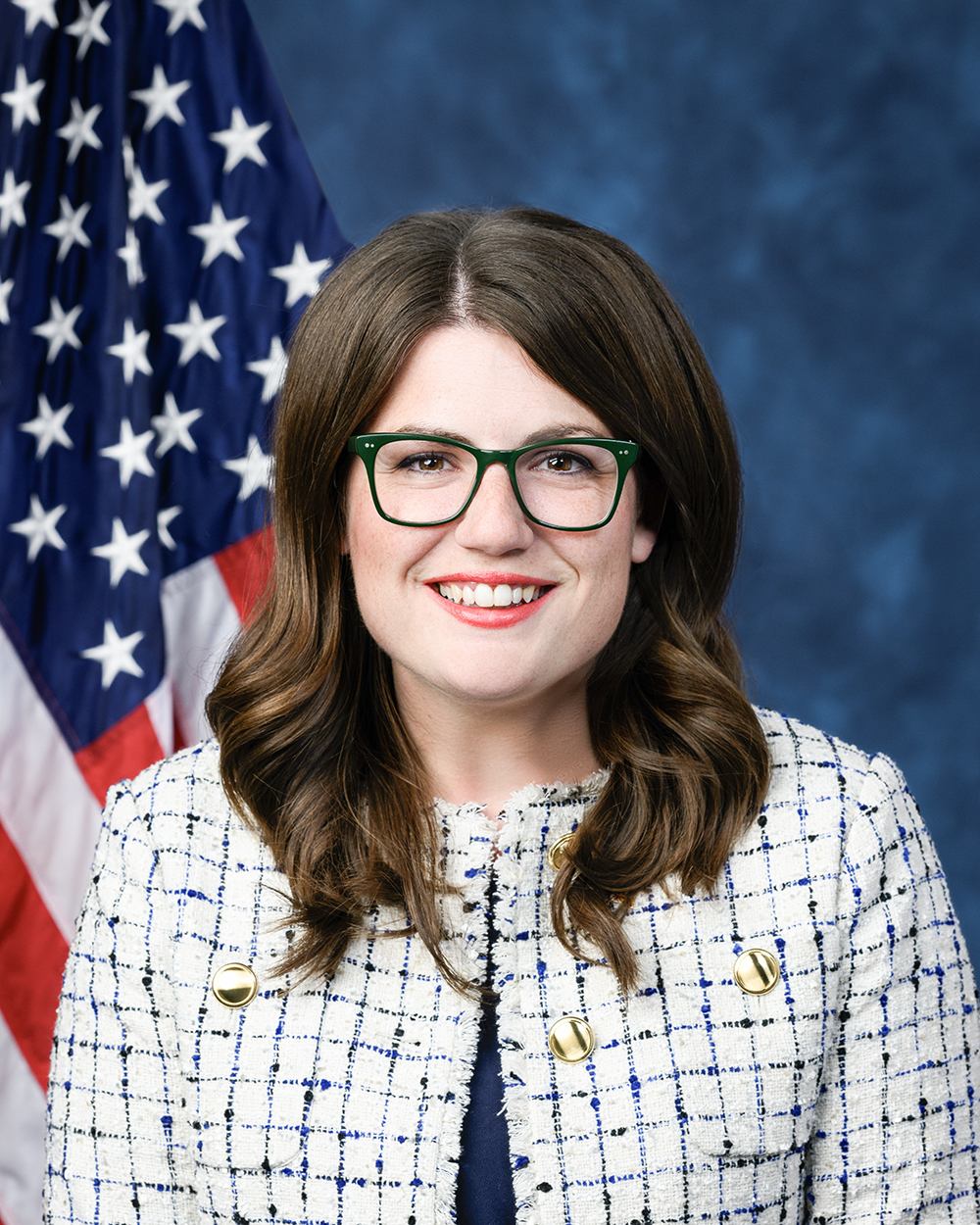
Rep. Sarah Elfreth
Sponsored bills
Maddy summaryThe Caring for Survivors Act of 2025 increases monthly dependency and indemnity compensation for surviving spouses of veterans. It changes the calculation method from a fixed $1,154 to 55% of a specific veteran compensation rate, effective six months after enactment. The bill also reduces the required continuous disability rating period for survivors from 10 years to 5 years, and provides a proportional payment for cases where the rating period is shorter than 10 years. Surviving spouses of veterans who died before January 1, 1993, receive the greater of their current benefit or the new calculation. This directly affects surviving spouses eligible for benefits under Title 38, U.S. Code, particularly those with veterans who died prior to 1993.
Maddy summaryHR 4011, the Community Paramedicine Act of 2025, creates a federal grant program to fund community paramedicine programs in rural areas. It provides grants to eligible entities - such as emergency medical services agencies, local governments, or Tribal organizations - to hire personnel, purchase equipment, cover training costs, and conduct outreach. The bill specifically reserves 15% of annual funding for programs serving Tribal communities and limits grants to $750,000 per entity (or $1.5 million for joint applications) over a maximum 5-year period. These programs aim to reduce unnecessary emergency room visits by using specially trained paramedics to address health issues and improve access to primary care for underserved populations.
Maddy summaryThis bill requires U.S. Immigration and Customs Enforcement (ICE) agents to visibly identify themselves during enforcement operations in the United States by not wearing facial coverings and wearing garments showing their name and agency affiliation. It directly affects ICE agents conducting activities like arrests, raids, or investigations. Exceptions exist for imminent threats or safety gear, but supervisors must review and document such uses within 48 hours. The bill also mandates annual reports to Congress on disciplinary actions and complaints related to violations.
Maddy summaryHR 3988 requires the Department of Housing and Urban Development (HUD) and the Census Bureau to jointly study how federal agencies track and record "housing loss" in the U.S. Housing loss is defined as involuntary displacement, including evictions, foreclosures, or displacement from natural disasters. The study must identify common types of housing loss, review existing federal data sources, assess data quality, and recommend improvements for better tracking. HUD and the Census Bureau must submit a report to Congress within six months detailing these findings and recommendations. This bill does not change current laws but mandates a federal review to improve how housing loss is measured.
Maddy summaryThis bill codifies existing protections for designated roadless areas within the National Forest System by prohibiting new road construction, road reconstruction, and logging in these areas. It directly affects National Forest lands already identified as "inventoried roadless areas" under the current Roadless Rule, which covers roughly 58 million acres. The key mechanism requires the Secretary of Agriculture to enforce these prohibitions, maintaining current protections without expanding restrictions to other lands or altering existing multiple-use management. The bill does not create new protected areas but legally solidifies the existing regulatory framework to preserve ecological and recreational values.
Maddy summaryThis bill requires private firearm transfers between individuals to go through a licensed dealer who must conduct a background check. It applies to most private sales but includes exceptions for transfers between family members (like parents and children), law enforcement, emergencies preventing harm, and temporary loans at shooting ranges or for hunting. Dealers must provide background check notices in both English and Spanish. The law aims to prevent prohibited individuals from obtaining firearms through private transactions while maintaining existing state authority on firearm laws.
Maddy summaryThis bill requires federal land agencies (like the Bureau of Land Management and National Park Service) to develop Tribal Co-Management Plans within one year, enabling federally recognized tribes to partner with agencies on forest and grassland management activities - such as restoration, planning, and recreation - on lands historically connected to those tribes. Tribes can enter agreements with the Forest Service to carry out these activities, with federal staff receiving training on indigenous knowledge and tribal history. The bill authorizes $50 million (2026-2030) to support these agreements, mandates consultation to protect tribal data sovereignty, and requires agencies to consider tribal cultural ties when evaluating partnership proposals.
Maddy summaryHR 3757, the Pride In Mental Health Act of 2025, provides $20 million annually (2026-2030) to fund grants for mental health services targeting LGBTQ+ youth, including nonbinary, intersex, and Two Spirit youth, and their families/caregivers. The bill mandates grantees to provide trauma-informed care, cultural competency training, school bullying prevention guidelines, and evidence-based practices while explicitly prohibiting the use of funds for conversion therapy or its promotion. It also requires the federal government to restore mental health reports on LGBTQ+ youth, conduct a national survey measuring mental health distress, and produce a report on mental health services for LGBTQ+ youth in foster care. The law directly affects these youth populations by expanding access to tailored mental health resources and data collection, with funding administered through the Substance Abuse and Mental Health Administration.
Maddy summaryThe Family Vaccine Protection Act makes the Advisory Committee on Immunization Practices (ACIP) an official part of federal law, requiring it to provide vaccine recommendations based on strong scientific evidence. It mandates that the CDC Director must adopt ACIP's recommendations unless they don't meet the evidence standard, and if not adopted, the CDC must explain its decision and notify Congress within 48 hours. The bill establishes procedures for ACIP to review new vaccines within 90 days of licensure and to consider breakthrough therapies or public health emergencies. This act aims to strengthen transparency and evidence-based decision-making in vaccine recommendations for the public health system. It affects the CDC, ACIP, and Congress through formalized processes for vaccine policy development.