

Maddy summaryThe WINGS Act directs the Department of Veterans Affairs to conduct a long-term study on the brain and mental health impacts of military aviation, specifically focusing on high-performance flight and G-force exposure. It requires examining links between flight hours, G-forces, and conditions like traumatic brain injury, depression, PTSD, and neurodegenerative diseases among military aviators. The bill mandates creating a centralized, anonymized health registry for participating aviators to track flight exposure and health outcomes over time. This study must produce interim and final reports to Congress within one and three years of enactment, directly affecting current and former military pilots and aircrew who operated aircraft like fighter jets, trainers, or tiltrotors.
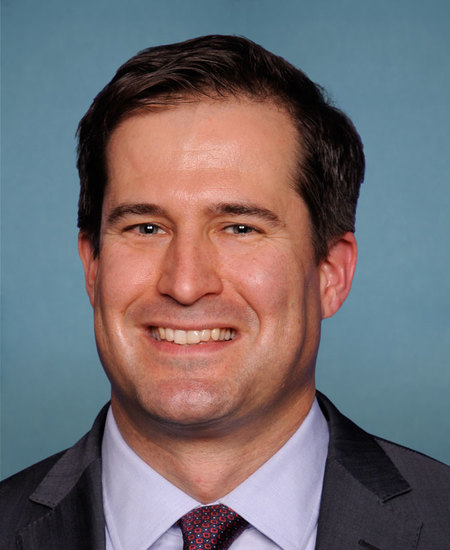
Rep. Seth Moulton
Sponsored bills
Maddy summaryHR 4398, the Veteran Burial Timeliness and Death Certificate Accountability Act, requires Veterans Affairs (VA) physicians or nurse practitioners to certify the death of a veteran who dies of natural causes within 48 hours of learning of the death. This directly affects veterans' families, who previously faced delays of up to eight weeks in burial and access to survivor benefits due to slow death certifications. The bill mandates annual reports to Congress on VA compliance with the 48-hour rule, including statistics on delays and their causes. The key change is establishing a strict timeline for death certification to prevent unnecessary delays in honoring veterans' final arrangements.
Maddy summaryThis resolution expresses support for designating June 2026 as National Post-Traumatic Stress Awareness Month and June 27, 2026, as National Post-Traumatic Stress Awareness Day. It aims to raise public awareness about post-traumatic stress among military members and veterans, reduce associated stigma, and encourage better access to treatment. The bill does not create new laws or funding but serves as a formal statement of congressional intent to highlight the importance of addressing mental health challenges related to military service.
Maddy summaryThe TPS Relief Act allows individuals with Temporary Protected Status to request a review of their immigration claims in federal court. By removing a specific legal restriction, the bill enables these status holders to challenge decisions regarding their TPS eligibility through the judicial system. This change directly affects current Temporary Protected Status recipients who wish to appeal adverse rulings on their cases. The legislation does not alter the criteria for obtaining TPS but rather provides a legal pathway for disputing denials.
Maddy summaryThe Haitian Refugee Immigration Fairness Act of 2026 allows nationals of Haiti and their immediate family members who have lived continuously in the United States since June 26, 2024, to apply for permanent resident status. To qualify, applicants must submit their request within three years of the bill's enactment and generally cannot have been convicted of aggravated felonies, multiple crimes of moral turpitude, or acts of persecution. The bill also permits eligible individuals with existing deportation orders to apply without first overturning those orders and grants them work authorization while their applications are pending. Additionally, the legislation ensures that granting permanent residence to these applicants does not reduce the number of available immigrant visas for other categories.
Maddy summaryThe RETURN Act requires the IRS to provide taxpayers with a detailed written explanation whenever a refund claim is denied, including specific instructions on how to appeal the decision. If the agency fails to issue this explanation within 12 months of receiving the claim, the interest rate on the taxpayer's overpayment will increase by one percentage point, capped at $500 and adjusted for inflation after 2026. The law explicitly excludes frivolous claims from these requirements, though taxpayers still receive written notification of denial for such cases. This legislation directly affects individuals and businesses filing for tax refunds by mandating clearer communication and imposing financial penalties on the IRS for delays in processing refund determinations.
Maddy summaryThis bill authorizes Congress to award a Congressional Gold Medal to individuals who fought for or with the United States in the Pacific theater during World War II and subsequently became prisoners of war. The legislation specifically recognizes the service and sacrifice of those who defended locations such as Bataan and Corregidor, including Filipino soldiers and civilians who served alongside U.S. forces. To implement this award, the Speaker of the House and the President pro tempore of the Senate will arrange for the creation of a gold medal by the Secretary of the Treasury, which will be presented to the Smithsonian Institution for display. The act also allows for the production of duplicate bronze medals to cover the costs of the original gold medals, with any proceeds from these sales deposited into the United States Mint Public Enterprise Fund.
Maddy summaryThe Diversity Visa Protection and Modernization Act limits the executive branch's ability to completely stop the Diversity Visa Program, which provides immigration opportunities to applicants from countries with low rates of migration to the United States. Instead of allowing indefinite or broad pauses, the bill permits only targeted restrictions on specific countries, individual security denials, or temporary suspensions lasting no more than 60 days. Any such limitation requires the relevant government officials to notify Congress and publish details about the threat and legal basis at least seven days in advance. Additionally, the law ensures that individuals who have already received a Diversity Visa cannot lose their eligibility due to a temporary program-wide suspension.
Creating Resources for Every American To Experiment with Artificial Intelligence Act of 2025 or the CREATE AI Act of 2025 This bill establishes a national program to provide U.S. researchers, educators, and students with access to artificial intelligence (AI) data, computational resources, educational tools and services, and testbeds. The program, to be known as the National Artificial Intelligence Research Resource (NAIRR), must be established by the National Science Foundation (NSF) to improve U.S. AI research capacity and spur the strategic development of AI capabilities. NAIRR may accept and use donated resources from the private sector and federal agencies. Those eligible to use NAIRR resources are (1) researchers, educators, and students based in the United States and affiliated with a U.S. institution of higher education, nonprofit, executive agency, or other specified entity; and (2) employees of U.S. executive agencies or federally funded research and development centers with a demonstrable mission need. NSF must select a nongovernmental organization to operate NAIRR (i.e., an operating entity ) through a competitive and transparent process. The operating entity must ensure that a significant percentage of the annual allotment of computational resources is provided to projects primarily focused on AI privacy, ethics, safety, security, risk mitigation, or trustworthiness. The operating entity must also establish minimum security requirements for all individuals interacting with NAIRR. The operating entity may establish a fee schedule for access to NAIRR, which must include a free tier of access and must ensure that the primary purpose of NAIRR is to support research.
Maddy summaryThis bill redesignates the existing National Parks and Public Land Legacy Restoration Fund as the America's Legacy Restoration Fund to address deferred maintenance on federal lands. It directs revenue from recreation fees and a portion of energy development income into the fund, which must be used primarily for repairing critical infrastructure like roads, trails, and buildings managed by agencies such as the National Park Service and the Forest Service. The legislation establishes strict rules requiring that most funds go toward non-transportation projects, mandates transparency through public dashboards tracking project status, and sets aside a small percentage for matching private donations. Additionally, the bill increases entrance fees for foreign visitors to ensure they contribute to the fund, while prohibiting the use of these specific funds for land acquisition or employee bonuses.