

Maddy summaryHR 2072 allows hydropower project licensees to request extended construction timelines from the Federal Energy Regulatory Commission (FERC). It specifically applies to projects licensed before March 13, 2020, with original construction deadlines expiring after December 31, 2023. FERC may extend the construction period by up to 6 additional years (in 2-year increments) if a licensee demonstrates good cause, and will automatically reinstate expired licenses for affected projects upon the bill's enactment. This bill directly affects hydropower developers whose licenses were nearing expiration due to delays, providing administrative flexibility without changing core licensing requirements.
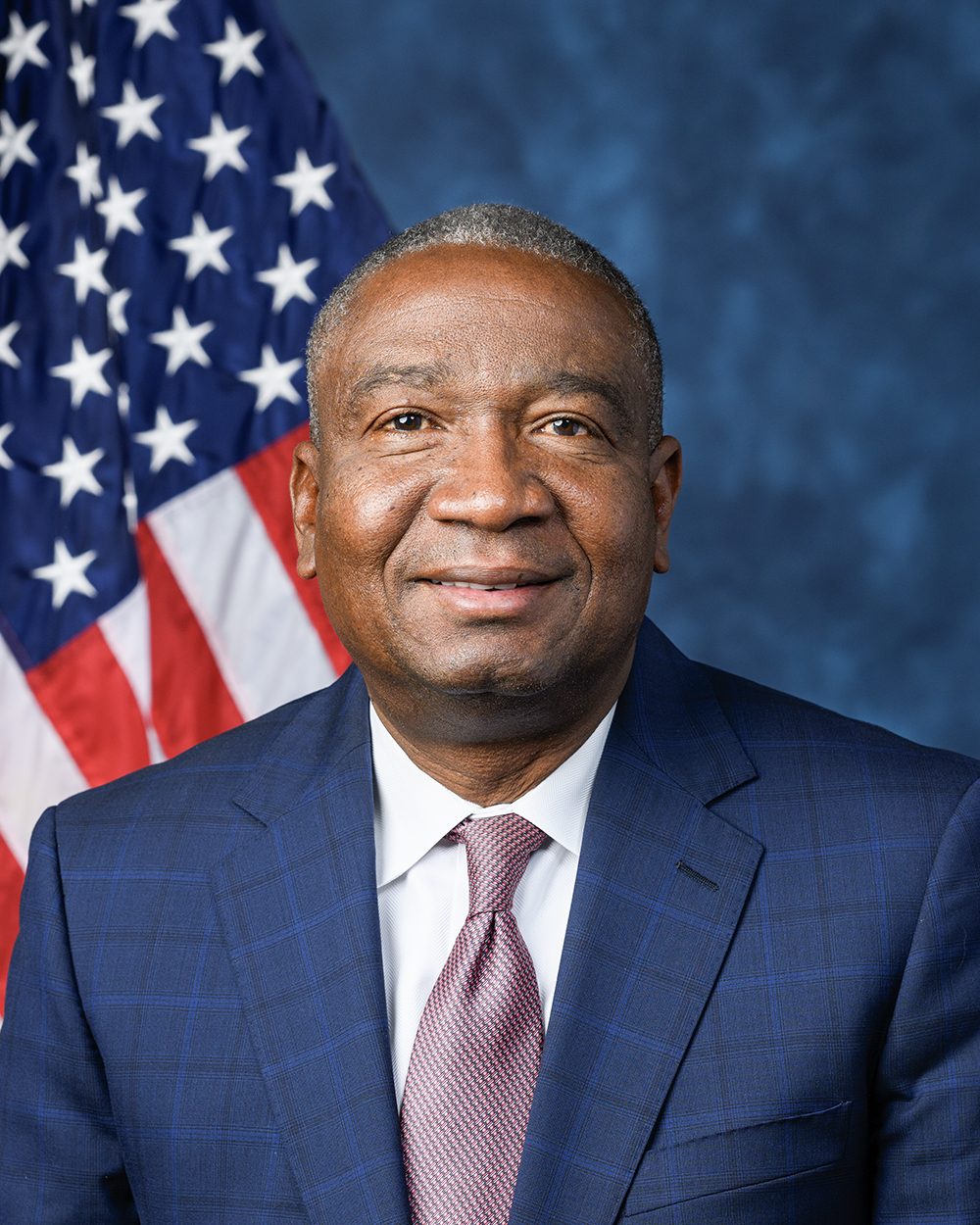
Rep. Cleo Fields
Sponsored bills
Maddy summaryThe Prison Libraries Act of 2026 establishes a federal grant program to fund library services in state and territorial correctional facilities, directly benefiting incarcerated individuals. It requires grantees (states/territories) to submit plans demonstrating need, including demographic data on prison populations, and prohibits using funds for non-library purposes like food or facility maintenance. Grant funds must support library services such as digital access, educational programming (including job training and post-secondary curriculum), literacy initiatives, and partnerships with public libraries. The program authorizes $10 million annually from 2026-2031, prioritizes measurable outcomes like increased literacy and post-release employment opportunities, and mandates free access to all library resources for incarcerated people.
Maddy summaryHCONRES 68 would require the President to remove U.S. military forces from Venezuela unless Congress has explicitly authorized their use through a declaration of war or a specific law. This applies to any U.S. Armed Forces currently stationed in Venezuela without such authorization. The resolution is based on the War Powers Resolution, which mandates congressional oversight of military deployments. It directs the immediate withdrawal of unapproved forces without adding new time limits or conditions.
Maddy summaryHR 7206, the Farm and Family Relief Act, provides direct financial assistance to agricultural producers facing market challenges during the 2025 crop year. It establishes one-time payments for eligible crop producers (including wheat, corn, soybeans, and cotton) when expected costs exceed expected returns, with payment limits based on farming income (capping at $125,000 or $250,000 depending on farming income percentage). The bill allocates $5 billion for specialty crop producers, $500 million for timber industry assistance, and $330 million for sugar beet producers through cooperative block grants. Additionally, it delays certain cost-shift provisions in food assistance programs and terminates specific tariff-imposing executive orders.
Maddy summaryHR 7183, the Youth Financial Learning Act, provides federal grants to state education agencies to integrate financial literacy education into public elementary and secondary schools. It directly affects schools by funding programs teaching consumer finance, credit, student loans, and financial aid through school-based curriculum, after-school partnerships with community organizations, and teacher training. Key provisions require states to provide 25% matching funds, prioritize high-need schools, ensure geographic diversity in program access, and use funds to supplement - not replace - existing education resources. The grants, available for up to four years, aim to enhance students' practical financial knowledge as part of a well-rounded education.
Maddy summaryThis bill creates a tax exclusion for K-12 public school teachers, allowing them to exclude up to $50,000 of their wages from federal income tax. Teachers in schools where 75%+ students qualify for free/reduced lunches, in rural areas, or teaching special education/STEM subjects qualify for a higher exclusion of $65,000. To qualify, teachers must work at least 900 hours in a school year at a public elementary or secondary school (including charter schools). The exclusion applies to taxable years beginning after December 31, 2025, and requires schools to verify eligibility for the IRS. It directly affects eligible K-12 public school teachers by reducing their taxable income.
Next Generation 9–1–1 Act This bill establishes a grant program to support implementation of next generation 9-1-1 (NG9-1-1) systems by state, territorial, and tribal governments and requires other related activities. NG9-1-1 means a secure, interoperable, Internet Protocol-based (IP-based) system for receiving 9-1-1 requests for emergency assistance. (IP-based 9-1-1 systems have capabilities that legacy telephone systems do not, including enhanced location-finding and the ability to receive text and multimedia messages.) Under the bill, the National Telecommunications and Information Administration (NTIA) must provide grants to state, territorial, and tribal governments (and entities established by those governments) to support the implementation and maintenance of NG9-1-1 systems. Grant funds may also be used for public outreach on NG9-1-1, implementation of cybersecurity measures, and, subject to certain limits, training and administrative costs. Entities applying for grants must submit a plan for NG9-1-1 coordination and implementation that ensures interoperability and reliability, incorporates cybersecurity tools, and meets other requirements related to technology and procurement. Applicants must also certify that they have established, or will establish within a specified time frame, a sustainable funding mechanism to support NG9-1-1 and effective cybersecurity resources. The NTIA must advise applicants on the preparation of implementation plans and provide technical assistance to grant recipients. Further, the NTIA must establish (1) an advisory board to provide recommendations with respect to the grant program and other topics related to NG9-1-1; and (2) a cybersecurity center to coordinate with state, local, and regional governments on the sharing of cybersecurity information related to NG9-1-1.
Maddy summaryHR 6271, the Food Bank Emergency Support Act of 2025, appropriates $462.5 million to prevent cuts to food assistance benefits during funding shortfalls or government shutdowns. The funds are specifically designated under the Food and Nutrition Act of 2008 to maintain existing benefit levels for programs like SNAP (Supplemental Nutrition Assistance Program) and food bank commodity distributions. It ensures these services continue without interruption, including barring furloughs for personnel involved in food distribution during emergencies. The bill directly supports food banks, grocery retailers distributing benefits, and millions of low-income households relying on these services. It takes effect as if enacted on September 30, 2025.
Maddy summaryThe Snap Delivery Modernization Act of 2025 clarifies how delivery fees are treated under the SNAP program. It amends the Food and Nutrition Act to explicitly exclude delivery fees charged by retailers or delivery platforms from the cost of food purchases when calculating SNAP benefits. This means SNAP recipients using grocery delivery services will have the full value of their benefits applied to the food itself, not reduced by delivery charges. The bill directly affects SNAP recipients who order groceries via delivery platforms and the delivery services providers facilitating these transactions.
Maddy summaryHR 6088, the *Restoring Food Security for American Families and Farmers Act of 2025*, repeals specific sections (10101-10108) from a prior reconciliation law. This action revives previous provisions related to food security programs that were modified by those repealed sections. The bill directly affects federal food assistance and agricultural support programs by restoring their prior legal framework. It does not create new policies but reverses recent changes to existing food security measures.