

Maddy summaryHR 5563, the DRIVE-SAFE Act, creates a structured apprenticeship program for commercial drivers under age 21. It requires employers to provide a two-phase training program: a 120-hour probationary period focused on basic driving skills (like traffic navigation and safety awareness), followed by a 280-hour period covering advanced tasks (such as pre-trip inspections and load management). During both phases, apprentices must operate vehicles equipped with automatic transmissions, collision mitigation systems, and video capture, and must be accompanied by an experienced driver (26+ years old with no recent accidents or violations). The bill does not change existing commercial driver’s license requirements and mandates employers to maintain records and provide remediation for preventable accidents or violations during training.
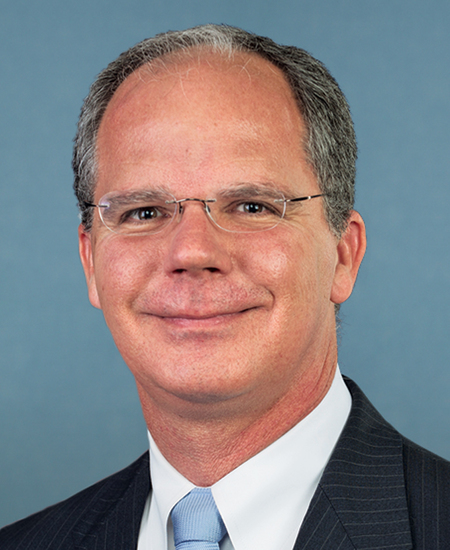
Rep. Brett Guthrie
Sponsored bills
Student Compensation and Opportunity through Rights and Endorsements Act or the SCORE Act This bill provides a framework for the compensation of student athletes for the use of their name, image, or likeness (NIL). This includes addressing certain elements of the court approved agreement to settle the In re College Athlete NIL Litigation (i.e., House settlement ). Specifically, the bill statutorily prohibits institutions, conferences, or interstate intercollegiate athletic associations (e.g., the National Collegiate Athletic Association (NCAA)) from restricting the ability of a student athlete to enter an NIL agreement. The bill also requires institutions of higher education that generate $20 million or more in annual revenue from the institution's intercollegiate athletics activities to (1) provide counseling and medical benefits to student athletes, and (2) establish and maintain at least 16 varsity sports teams. Further, the bill authorizes interstate intercollegiate athletic associations to establish rules with respect to athletic eligibility, transfers, recruitment, and the disclosure of NIL agreements. Under the bill, student athletes may not be considered employees of an institution, conference, or interstate intercollegiate athletic association. The bill also preempts state laws with respect to compensation, payments, benefits, employment status, eligibility, and academic standards applicable to student athletes. Compliance with the provisions of this bill is considered lawful under federal and state antitrust laws.
SUPPORT for Patients and Communities Reauthorization Act of 2025 This act reauthorizes and revises programs and activities relating to addressing substance use disorders, overdoses, and mental health. (For additional information on each section of this act, see CRS Report R48864 .) TITLE I--PREVENTION (Sec. 101) This section reauthorizes through FY2030 Centers for Disease Control and Prevention (CDC) programs that provide information, grants, and technical assistance relating to studying and preventing prenatal and postnatal substance use disorders. (Sec. 102) This section reauthorizes through FY2030 CDC programs that carry out and provide grants for surveillance, treatment, and education relating to infections associated with illicit drug use. (Sec. 103) This section reauthorizes through FY2030 and expands CDC programs that carry out activities and provide grants relating to monitoring drug use and overdoses (e.g., supporting state prescription drug monitoring programs), preventing and responding to substance use disorders, and raising awareness regarding opioids and other substances. The section authorizes additional activities, including wastewater surveillance and collecting data on risk factors associated with overdoses. (Sec. 104) This section reestablishes, expands, and provides statutory authority for Department of Health and Human Services (HHS) activities addressing fetal alcohol spectrum disorders (i.e., conditions caused by prenatal alcohol exposure), including carrying out and providing grants for research, education and public awareness, and intervention and support services for affected individuals. (Sec. 105) This section specifies that, in providing grants to support state prescription drug monitoring programs, the CDC is not authorized to require states to use specific vendors or interoperability systems other than to align with general, consensus-based standards for interoperability. (Sec. 106) This section reauthorizes through FY2030 and expands grants to government entities to provide first responders with opioid overdose reversal drugs (e.g., naloxone) and related training. The grant program is administered by the Substance Abuse and Mental Health Services Administration (SAMHSA). The section expands the program to include (1) treatment and training for overdoses from other drugs besides opioids, and (2) treatment with drugs or devices that are legally marketed under applicable law. Current law limits the program to addressing opioid overdoses and to drugs or devices that are officially approved or cleared by the Food and Drug Administration (FDA). (Sec. 107) This section reauthorizes through FY2030 and revises the National Child Traumatic Stress Initiative and related activities, which are administered by SAMHSA. Under the initiative, SAMHSA provides grants and other support to improve the quality of and increase access to services addressing psychological trauma in youth and families. The section requires grant recipients to develop training and other resources for collaborative implementation of best practices. (Sec. 108) This section requires SAMHSA to undertake efforts to protect the 9-8-8 Suicide & Crisis Lifeline from cybersecurity threats. (The lifeline is a three-digit number that connects callers in suicidal crisis or mental health distress to a national network of crisis centers.) The section includes requirements for the lifeline’s network administrator and participating local and regional crisis centers to report identified cybersecurity incidents and vulnerabilities. The Government Accountability Office must conduct a study that evaluates cybersecurity risks and vulnerabilities associated with the lifeline and report the findings to Congress. (Sec. 109) This section reauthorizes through FY2030 CDC activities to collect and report certain public health data relating to potentially traumatic childhood experiences. (Sec. 110) This section reauthorizes through FY2030 an interdepartmental committee on substance use disorders, establishes an interagency work group on fentanyl contamination of illegal drugs, and expands certain SAMHSA activities to include supporting strategies to raise awareness about the dangers of synthetic opioids for youth. (Sec. 111) This section requires HHS to publish guidance regarding at-home safe drug disposal systems. (Sec. 112) This section requires HHS to publish a plan for assessing approved opioid analgesic drugs (i.e., opioid pain relievers) that addresses the public health effects of these drugs, including updates on actions by the FDA with respect to risk-benefit assessments and supporting development and approval of nonaddictive medical products. HHS must provide an opportunity for public input on the FDA’s regulation of opioid analgesic drugs. (Sec. 113) This section provides statutory authority for SAMHSA’s State Opioid Response and Tribal Opioid Response Grants to be used for facilitating access to drug checking technologies, such as fentanyl and xylazine test strips, to the extent permitted by federal and state law. TITLE II--TREATMENT (Sec. 201) This section reauthorizes through FY2030 the Residential Treatment for Pregnant and Postpartum Women program, which is administered by the Center for Substance Abuse Treatment within SAMHSA. This program awards grants to fund services for pregnant and postpartum women with substance use disorders, including services for treatment, recovery support, and case management. The section also specifically allows grant recipients to conduct outreach that is targeted at women disproportionately impacted by maternal substance use disorders. (Sec. 202) This section provides statutory authority for the Minority Fellowship Program to include fellowships for training in the field of addiction medicine. The Minority Fellowship Program, administered by SAMHSA, funds fellowships for individuals seeking graduate degrees and planning to work on addressing mental or substance use disorders in racial and ethnic minority populations. (Sec. 203) This section reauthorizes through FY2030 the Behavioral Health Workforce Education and Training Program for Professionals, which is administered by the Health Resources and Services Administration (HRSA). This program provides grants to educational organizations and programs to recruit and educate students in mental and behavioral health. (Sec. 204) This section reauthorizes through FY2030 the Substance Use Disorder Treatment and Recovery Loan Repayment Program, which is administered by HRSA. This program provides repayment of educational loans for health care practitioners who agree to provide direct treatment or recovery support for substance use disorders in certain areas with shortages of health professionals or high rates of overdose. (Sec. 206) This section reauthorizes through FY2030 and expands an interagency task force that must develop recommendations relating to (1) best practices for preventing and mitigating trauma in youth and (2) coordinating the federal response to families impacted by substance use disorders and other trauma. (Sec. 208) This section requires SAMHSA to conduct a review of how states use funds under the Community Mental Health Services Block Grant program to address first episode psychosis, including the use of evidence-based services for individuals with early serious mental illness and children with serious emotional disturbance. SAMHSA must report to Congress on the findings of the review and update the guidance for the block grant program based on such findings. (Sec. 209) This section requires HHS to review relevant data and, if determined appropriate, request that the Drug Enforcement Administration (DEA) revise the scheduling of approved products containing a combination of buprenorphine and naloxone under the Controlled Substances Act. The DEA must review such requests and determine whether to revise the schedules. (Sec. 210) This section requires that, when HHS issues new regulations or guidance on grant programs addressing opioid use disorders, references to an opioid overdose reversal drug (e.g., naloxone) must broadly include any opioid overdose reversal drug approved by the FDA. Within one year after the act’s enactment, HHS must update all references accordingly in regulations or guidance issued prior to the act’s enactment that are applicable to State Opioid Response Grants, Tribal Opioid Response Grants, or certain other grants relating to substance use disorder prevention. (Sec. 211) This section requires HHS to convene a public roundtable with public and private stakeholders on expanding the use of electronic health records among mental health and substance use disorder service providers. HHS must report to Congress on the results of the roundtable with respect to specified topics. TITLE III--RECOVERY (Sec. 301) This section reauthorizes through FY2030 the Building Communities of Recovery program, which is administered by the Center for Substance Abuse Treatment within SAMHSA. This program provides grants to certain community nonprofit organizations for developing and delivering coordinated community and statewide recovery support services for individuals with substance use disorders. (Sec. 302) This section reauthorizes through FY2030 and expands the National Peer-Run Training and Technical Assistance Center for Addiction Recovery Support, which is administered by SAMHSA. The center provides training and resources to public and private nonprofit entities relating to recovery support services for substance use disorders and co-occurring conditions (i.e., mental health conditions coexisting with substance use disorders). The section expands the center's functions to include professional development of peer support specialists and recovery support services in nonclinical settings. It also authorizes through FY2030 a regional technical assistance center to support the ability of the center to meet a particular region's needs. (Sec. 303) This section reauthorizes through FY2030 grants to nonprofits for establishing or operating opioid recovery centers providing comprehensive treatment and recovery support services. The grant program is administered by SAMHSA. (Sec. 304) This section reauthorizes through FY2030 and revises the Preventing Youth Overdose: Treatment, Recovery, Education, Awareness, and Training (PYO-TREAT) program, which is administered by SAMHSA. The PYO-TREAT program provides grants and other support to educational and public entities for substance use disorder prevention, treatment, and recovery for children and young adults. The section revises the program to provide statutory authority for (1) requiring applicants to submit plans for sustaining activities under the program after the grant has ended, and (2) expanding eligible grant recipients to include consortia of local educational agencies. SAMHSA must report to Congress on the PYO-TREAT program’s effectiveness. (Sec. 305) This section reauthorizes through FY2030 and expands the Treatment, Recovery, and Workforce Support program, which is administered by SAMHSA. This program provides grants to public and private nonprofit entities to support individuals in treatment and recovery for substance use disorders and co-occurring conditions to live independently and participate in the workforce. The section authorizes using 5% of such grant funds for transportation services and requires grant recipients to report on the employment and earnings outcomes of program participants. Also, the section reauthorizes through FY2030 the Recovery Housing Pilot Program, which assists states in providing individuals in recovery from a substance use disorder with stable, temporary housing for up to two years. This program is administered by the Department of Housing and Urban Development. (Sec. 306) This section reauthorizes through FY2030 the Support to Communities: Fostering Opioid Recovery through Workforce Development program, which is administered by the Department of Labor. This program provides grants to public entities to address the economic and workforce-related impacts of substance use disorders through activities such as screening and support services, training, and engaging with employers. (Sec. 307) This section requires HHS to convene a public meeting relating to improving awareness of and access to grants provided by SAMHSA. Based on the stakeholder feedback received at the meeting, HHS must implement improvements to relevant websites and report to Congress. TITLE IV--MISCELLANEOUS MATTERS (Sec. 401) This section allows pharmacies to deliver to prescribing practitioners schedule III-V controlled substances that are not directly administered by the practitioner (i.e., self-administered), provided the controlled substances are subject to a risk evaluation and mitigation strategy to assure safe use by the patient, including post-administration monitoring by a health care provider. (Sec. 402) This section expands the types of organizations that may provide training or education required for practitioners registering with the DEA to dispense (i.e., prescribe or administer) schedule II-V controlled substances. This section applies retroactively, taking effect as if enacted on December 29, 2022.
Maddy summaryHRES 900 is a symbolic resolution expressing condolences to the families and loved ones of the 14 victims (3 on board and 11 in the Louisville community) of the UPS Airlines flight 2976 crash that occurred on November 4, 2025, at Louisville Muhammad Ali International Airport. It specifically names the victims, honors their lives, and commends the first responders who assisted during the tragedy. This resolution has no policy or funding impact - it serves only as a formal expression of sympathy from the House of Representatives.
Maddy summaryHR 6087 updates the Delta Development Act to expand the Delta Regional Authority (DRA) area by adding Kentucky counties Hancock, Ohio, and Daviess to the existing list. This change directly affects those three counties, enabling them to access DRA programs and federal funding for economic development, infrastructure, and community projects. The bill modifies Section 4(2)(C) of the Act by replacing "and Union" with "Union, Daviess, Hancock, and Ohio" in the geographic description. It is a procedural adjustment to the law's boundaries with no new funding or requirements.
Maddy summaryHRES 864 is a ceremonial resolution honoring U.S. veterans on Veterans Day 2025. It does not create new laws or policies but formally recognizes veterans' service and sacrifice, calling on all Americans to observe Veterans Day. The resolution references historical context about Veterans Day's origins (from Armistice Day to honoring all veterans) but contains no concrete policy changes. It directly addresses the general public, urging them to participate in the observance. As a non-binding resolution, it affects no specific individuals or groups through legislative action.
Maddy summaryThis bill ensures SNAP (food stamp) benefits continue uninterrupted during government funding gaps in fiscal year 2026. It directs the USDA to use existing Treasury funds to pay SNAP benefits if Congress fails to pass a full-year budget for the Department of Agriculture by September 30, 2025. The bill also covers retroactive payments for missed benefits starting September 30, 2025, through the bill's enactment date. Benefits funded this way stop once Congress enacts a full FY2026 budget for the USDA. It directly affects SNAP recipients who rely on these benefits during budget delays.
Maddy summaryThis bill would require all states to recognize valid concealed carry permits issued by other states, allowing permit holders to carry concealed handguns (excluding machine guns) in any state that either issues such permits or doesn't prohibit concealed carry. It directly affects law-abiding gun owners with valid permits from their home state, ensuring they can carry in states with similar permit systems or no prohibitions. Key provisions include treating valid permit documents as proof of legal carry (reducing officer stops), shifting the burden of proof to prosecutors if challenged, and allowing civil lawsuits for violations with attorney's fee awards. The bill does not override state laws restricting firearms on private property or government land, nor does it affect federal gun restrictions like those in section 922(q).
Maddy summaryHRES 719 is a House resolution honoring Charles "Charlie" James Kirk, the founder of Turning Point USA who was assassinated on September 10, 2025. The resolution condemns his assassination and all political violence, extends condolences to his family, and calls on Americans to reject violence while promoting civil discourse. It specifically recognizes Kirk's legacy as a defender of constitutional principles and his role in inspiring youth through free speech and faith-based civic engagement. As a commemorative resolution, it does not enact policy changes but formally expresses the House's stance on honoring his life and legacy.
Maddy summaryHRES 744 is a non-binding House resolution supporting the designation of September 21-27, 2025, as "Gold Star Families Remembrance Week." It honors families who lost members in military service (Gold Star Families) and families of veterans, recognizing their sacrifices. The resolution encourages Americans to observe the week through community service and by celebrating the lives of those who died defending the U.S. It does not create new laws or policies but formally recognizes these families annually. This is a commemorative measure, not a legislative change.