

Maddy summaryThe Restoring America’s Floodplains Act (HR 7264) authorizes the U.S. Department of Agriculture to restore and maintain floodplains on lands protected by existing floodplain easements. It requires the Secretary to restore natural vegetation, water flow, and other floodplain functions, while allowing landowners to continue compatible activities like hunting, fishing, or managed timber harvest if they support long-term floodplain health. The bill also permits the Secretary to implement more extensive restoration than immediate needs require to prevent future watershed damage. This applies directly to landowners holding floodplain easements and federal agencies managing these conservation programs.
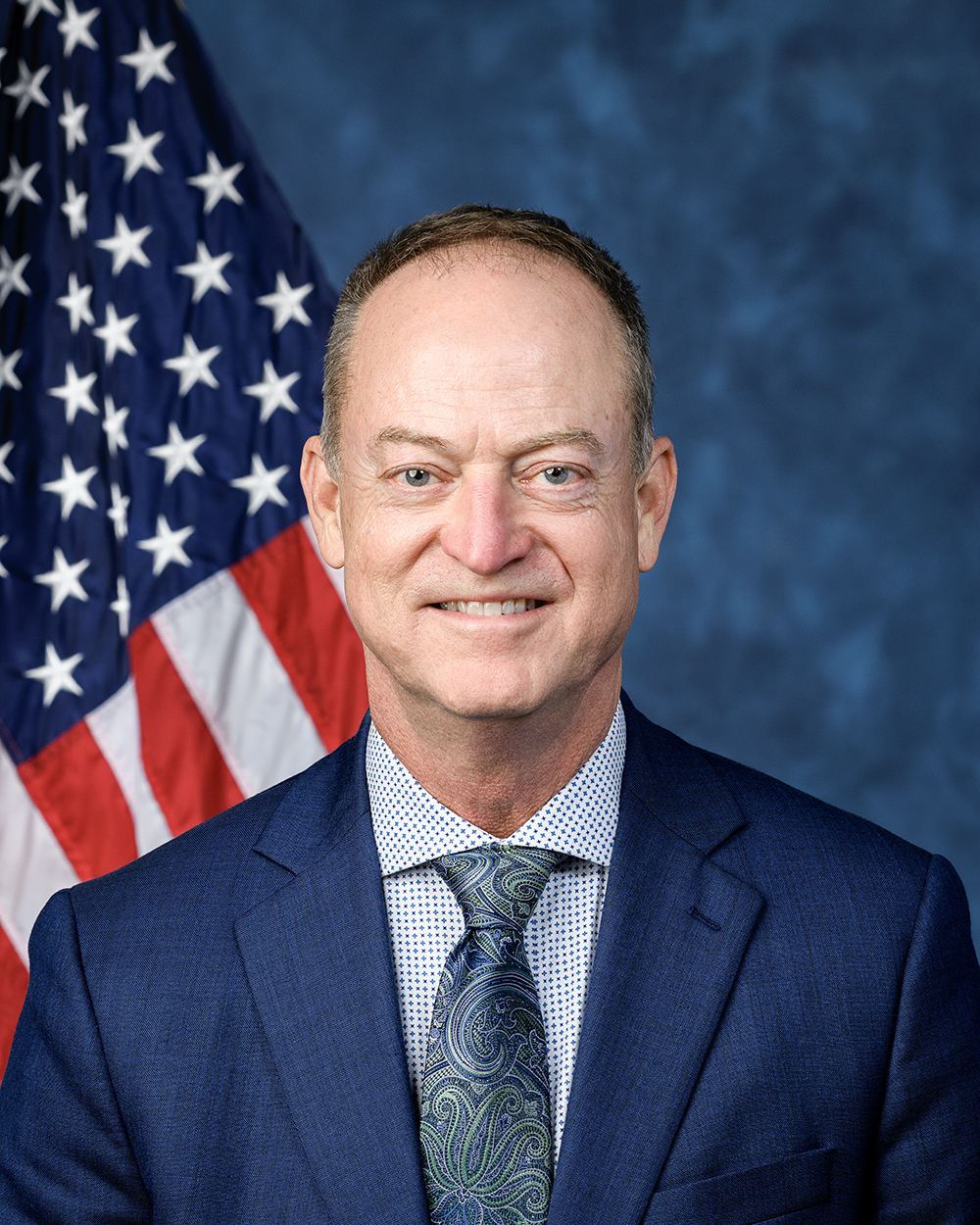
Rep. Mark B. Messmer
Sponsored bills
Deporting Fraudsters Act of 2026 This bill makes certain acts related to public benefits fraud grounds for (1) barring a non-U.S. national ( alien under federal law) from admission into the United States, or (2) deporting the individual. The bill also makes such an individual ineligible for immigration enforcement relief, including relief for an individual in danger of subjection to torture. Specifically, this bill applies to individuals who have been convicted of, admit to having committed, or admit to acts which constitute certain offenses. Offenses covered by this bill include (1) fraud involving Supplemental Nutrition Assistance Program (SNAP) benefits, (2) fraud involving Social Security benefits, (3) fraud involving programs that receive federal funds, and (4) the production of fraudulent identification documents.
Maddy summaryHR 556, the Protecting Access for Hunters and Anglers Act, prevents federal agencies from banning lead ammunition or tackle on public lands and waters managed for hunting or fishing. It directly affects hunters and anglers using federal lands (like national wildlife refuges, public forests, and BLM lands) by blocking nationwide restrictions on lead products. The bill allows limited exceptions only for specific locations where wildlife decline is directly linked to lead use, and the restriction must align with state law or get approval from the state wildlife agency. This changes how federal land managers can regulate lead, requiring state coordination for any local restrictions.
Maddy summaryThis resolution honors the life and legacy of former college football coach Louis Leo "Lou" Holtz, recognizing his contributions to the sport and his work as a mentor and teacher. The bill formally acknowledges his coaching achievements at six different universities, his induction into the College Football Hall of Fame, and his receipt of the Presidential Medal of Freedom. It also highlights his personal values, including his emphasis on character, teamwork, and faith, as well as his family life and charitable work. The House of Representatives expresses gratitude for his service to college football and commits to remembering his enduring impact on student-athletes and the broader community.
Maddy summaryHR 5688, the Non-Domiciled CDL Integrity Act, changes rules for issuing commercial driver's licenses (CDLs) to people who don't live in the state where the license is issued. It allows states to issue CDLs to foreign nationals with lawful U.S. immigration status and work-related visas (valid for up to one year or until their stay ends), requiring states to verify status before issuing and keep records for two years. For residents of U.S. territories like Puerto Rico, it requires proof of U.S. citizenship or permanent residency before issuing CDLs, with similar verification and record-keeping rules. The bill directly affects commercial drivers from foreign countries and U.S. territories seeking CDLs in states where they are not residents.
Enhanced Iran Sanctions Act of 2025 This bill imposes sanctions on certain foreign persons (individuals and entities) that are involved in Iran's petroleum sector as well as certain associated persons. The bill also requires or authorizes actions to facilitate the enforcement of sanctions on Iran. Specifically, the bill requires the President to impose visa- and property-blocking sanctions on any foreign person that, after the bill's enactment, knowingly engages in any transaction related to the processing, export, or sale of oil, condensates, gas, liquefied natural gas, or other petrochemical products in whole or in part from Iran. The President must also impose sanctions on certain foreign persons associated with a sanctioned individual or entity. For example, the President must sanction the subsidiaries and corporate officers of a sanctioned business. The bill provides certain exceptions to these sanctions, including specifying that sanctions do not apply to the importation of goods or to conducting or facilitating transactions for humanitarian assistance. The Department of State must establish an interagency working group that shall seek to establish a multilateral contact group to coordinate international efforts to enforce sanctions on Iran. The bill expands the State Department rewards program to authorize a reward payment to any individual who furnishes information leading to the identification of a person (1) subject to sanctions under this bill, or (2) that has attempted or is attempting to evade sanctions under this bill.
Maddy summaryThis bill, known as the No Tax on Drill Pay Act, would exclude certain military compensation from federal income tax. It directly affects members of the U.S. military who receive pay for inactive-duty training, which includes weekend drills and other training activities outside of regular duty. The legislation amends the Internal Revenue Code to add inactive-duty training compensation to the list of qualified military benefits that are not subject to taxation. This change applies to any compensation received after the bill becomes law, meaning it would affect future training pay rather than past earnings.
Maddy summaryThis bill establishes a permanent "Payroll Audit Independent Determination" (PAID) program under the Department of Labor, allowing employers to voluntarily self-audit and correct unintentional wage violations under federal law. Employers submit payroll audits identifying minimum wage or overtime errors, then pay back wages directly to affected employees through a streamlined process overseen by the Department. Employees who accept the settlement receive full payment but waive their right to sue for those specific violations, while employers gain protection from future investigations for the same issues. The program, based on a successful 2018-2019 pilot that resolved cases faster and with higher back-wage payments than traditional enforcement, includes strict safeguards like confidentiality for submitted data and requirements for employer good faith.
Maddy summaryHR 7678, the Gun Owner Registration Information Protection Act, prohibits federal funding for state or local databases that track lawfully owned firearms or their owners. The bill allows federal funding for databases recording lost or stolen firearms but bans it for databases listing legal gun ownership. This means states cannot use federal money to create or maintain systems that compile information about legally owned guns. The bill directly affects state and local governments that rely on federal funds for firearm ownership databases.
Maddy summaryHRES 1076 is a House resolution recognizing the 10th anniversary of the first U.S. liquefied natural gas (LNG) export shipment from the lower 48 states, which occurred on February 24, 2016. The resolution celebrates this milestone as a historic achievement in American energy production, highlighting its role in supporting over 273,000 annual jobs and $400 billion in economic growth over the past decade. It honors the workers and communities involved and acknowledges LNG exports' contribution to U.S. economic growth, energy security, and global partnerships. The resolution has no binding effect or policy changes - it solely expresses recognition of a past event.