

Maddy summaryHRES 864 is a ceremonial resolution honoring U.S. veterans on Veterans Day 2025. It does not create new laws or policies but formally recognizes veterans' service and sacrifice, calling on all Americans to observe Veterans Day. The resolution references historical context about Veterans Day's origins (from Armistice Day to honoring all veterans) but contains no concrete policy changes. It directly addresses the general public, urging them to participate in the observance. As a non-binding resolution, it affects no specific individuals or groups through legislative action.
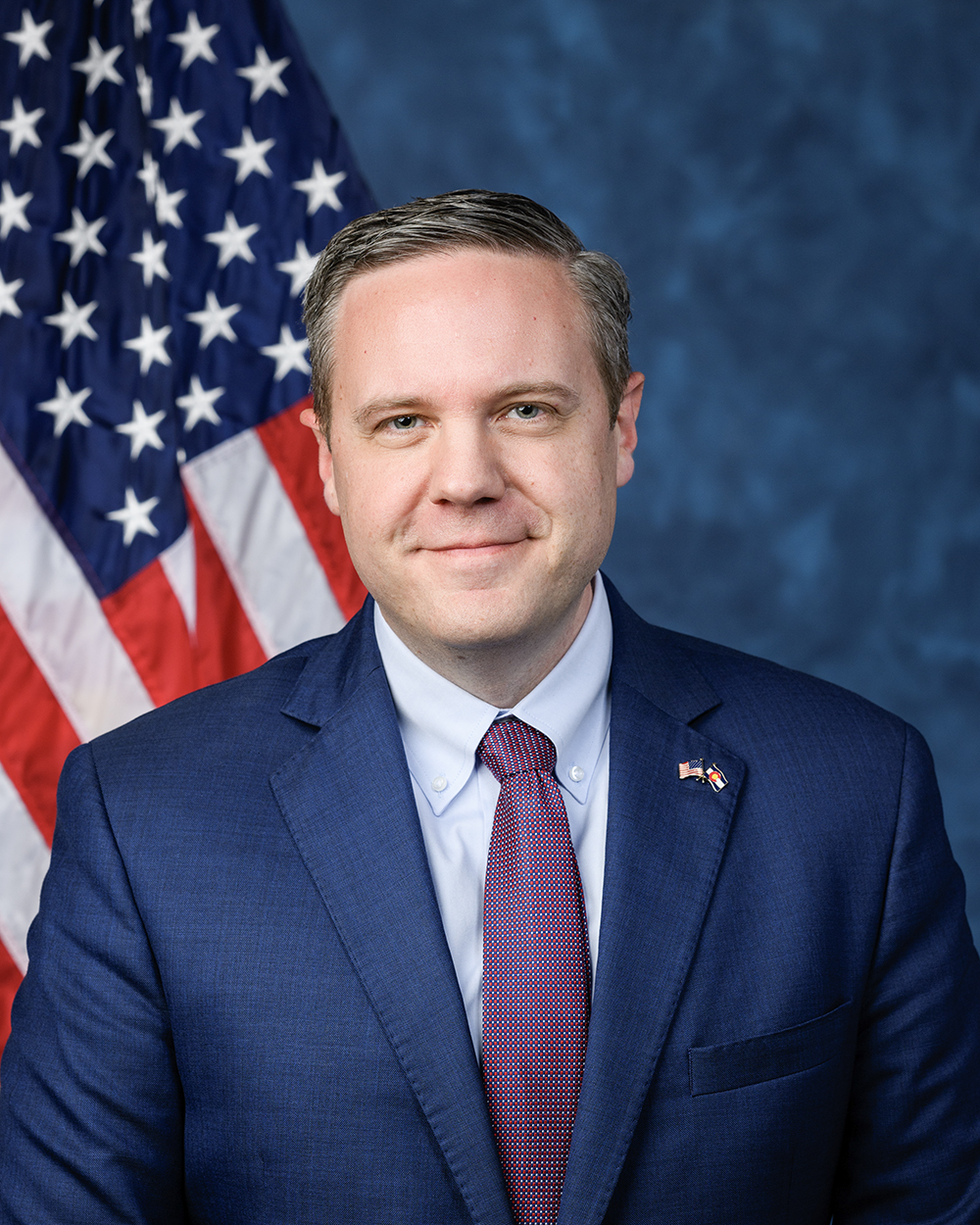
Rep. Jeff Hurd
Sponsored bills
Maddy summaryHRES 866 is a non-binding House resolution condemning the systematic persecution of Christians in Nigeria by groups like Boko Haram and Fulani militants, and criticizing Nigeria's government for failing to protect Christian communities or acknowledge the violence. It calls on the U.S. government to support President Trump in using diplomatic, economic, and security tools to pressure Nigeria to end impunity for attacks, protect Christians, return displaced persons, and repeal blasphemy laws. The resolution specifically demands action against religiously motivated violence, including the release of those imprisoned for their faith, and urges coordination with international partners for humanitarian aid. It does not create new laws but expresses congressional support for U.S. policy actions targeting Nigeria's religious freedom violations.
Maddy summaryThis non-binding resolution (HRES 844) expresses the U.S. House of Representatives' support for designating October 2025 as "Crime Prevention Month." It encourages federal agencies to fund evidence-based crime prevention programs - like youth mentorship, mental health services, and neighborhood safety initiatives - and urges state/local governments to adopt strategies such as Crime Prevention Through Environmental Design. The resolution also commends community workers and calls on all citizens to participate in public safety activities during October. It has no legal effect but aims to raise awareness and foster collaboration across communities, government, and private sectors to reduce crime.
Maddy summaryThis bill ensures that critical firearm-related government operations continue during federal shutdowns. It designates background checks (via the FBI's National Instant Criminal Background Check System), Bureau of Alcohol, Tobacco, Firearms and Explosives enforcement, and firearm export licensing (handled by Commerce and State Departments) as essential services that must remain operational. These functions would be treated as "excepted" under federal law, meaning their employees would continue working even if other government services halt. The bill affects how background checks and firearm export licenses are processed during shutdowns but does not change gun ownership laws or eligibility.
Prevent Government Shutdowns Act This bill provides continuing appropriations to prevent a government shutdown if the appropriations bills for a fiscal year have not been enacted before the fiscal year begins and continuing appropriations are not in effect. Specifically, the bill provides appropriations at the rate of operations that was provided for the prior fiscal year to continue programs, projects, and activities that were funded in the preceding fiscal year. The bill also limits official travel, congressional recesses or adjournments, and the consideration of legislation that is unrelated to appropriations after the beginning of a fiscal year if the appropriations process has not been completed.
Maddy summaryThe FREE Act (HR 689) requires federal agencies to replace slow, discretionary permitting processes with a streamlined "permitting by rule" system for certain permits. Under this system, applicants would certify compliance with written standards (instead of lengthy agency reviews) and receive a permit automatically after 180 days if the agency doesn’t act. Agencies must first report on their current permitting processes and identify which permits can transition to this model, with deadlines for submissions and implementation. This directly affects federal agencies issuing permits (e.g., environmental or construction permits) and applicants seeking them, aiming to reduce delays and costs while allowing agencies to audit and enforce compliance after permits are granted.
Maddy summaryThis bill ensures SNAP (food stamp) benefits continue uninterrupted during government funding gaps in fiscal year 2026. It directs the USDA to use existing Treasury funds to pay SNAP benefits if Congress fails to pass a full-year budget for the Department of Agriculture by September 30, 2025. The bill also covers retroactive payments for missed benefits starting September 30, 2025, through the bill's enactment date. Benefits funded this way stop once Congress enacts a full FY2026 budget for the USDA. It directly affects SNAP recipients who rely on these benefits during budget delays.
Maddy summaryThis bill adds Medicare coverage for multi-cancer early detection screening tests (blood or biological tests analyzing cell-free DNA) starting January 1, 2028. It directly affects Medicare beneficiaries aged 68 and older (starting in 2028, with the age limit increasing by 1 year annually), requiring tests to be FDA-cleared and deemed reasonable/necessary by the Secretary for early cancer detection across multiple organ sites. Payment will initially match current stool DNA test rates before 2031, then shift to a lower rate or new payment system after 2031, with limits preventing more than one test per year. The bill explicitly states it does not alter coverage for existing cancer screenings like breast, colorectal, or prostate cancer tests.
Maddy summaryThis bill would require all states to recognize valid concealed carry permits issued by other states, allowing permit holders to carry concealed handguns (excluding machine guns) in any state that either issues such permits or doesn't prohibit concealed carry. It directly affects law-abiding gun owners with valid permits from their home state, ensuring they can carry in states with similar permit systems or no prohibitions. Key provisions include treating valid permit documents as proof of legal carry (reducing officer stops), shifting the burden of proof to prosecutors if challenged, and allowing civil lawsuits for violations with attorney's fee awards. The bill does not override state laws restricting firearms on private property or government land, nor does it affect federal gun restrictions like those in section 922(q).
Maddy summaryHRES 719 is a House resolution honoring Charles "Charlie" James Kirk, the founder of Turning Point USA who was assassinated on September 10, 2025. The resolution condemns his assassination and all political violence, extends condolences to his family, and calls on Americans to reject violence while promoting civil discourse. It specifically recognizes Kirk's legacy as a defender of constitutional principles and his role in inspiring youth through free speech and faith-based civic engagement. As a commemorative resolution, it does not enact policy changes but formally expresses the House's stance on honoring his life and legacy.