

Maddy summaryThis resolution (HRES 883) is a symbolic gesture designating January 22 as "National Sanctity of Human Life Day" to recognize the value of human life at all stages. It contains statements opposing abortion and citing fetal development milestones, but the resolution itself has no legal effect or policy changes. It does not alter laws, allocate funding, or directly affect any individuals or groups. The bill solely encourages Americans to reflect on "the value of life" through a non-binding designation. As a procedural resolution, it has no binding provisions or concrete policy impact.
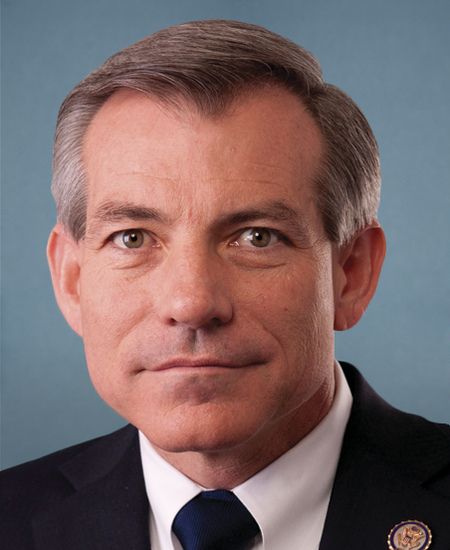
Rep. David Schweikert
Sponsored bills
No Mandates Act This bill prohibits federal agencies and certain entities that receive federal funding from requiring COVID-19 vaccinations. Specifically, federal agencies may not issue rules, regulations, or guidance that require an individual to receive a COVID-19 vaccination. The bill also prohibits requiring a COVID-19 vaccination to access federal property and services or congressional grounds and services. Additionally, an entity that received federal COVID-19 relief funds or receives other federal funds after this bill's enactment may not require a COVID-19 vaccination as a condition of providing any service to an individual.
This bill nullifies Order 2021-148 of the Mayor of the District of Columbia (December 22, 2021) and any successor or substantially similar order of the Mayor of the District of Columbia that imposes a COVID-19 vaccine requirement for entry to certain establishments and facilities in the District.
This bill revises enforcement provisions under the Animal Welfare Act (AWA), including by directing inspectors to confiscate or destroy in a humane manner animals found to be suffering physical or psychological harm as a result of failure to comply with the AWA.
Accelerating Access to Critical Therapies for ALS Act This bill establishes grant programs to address neurodegenerative diseases, such as amyotrophic lateral sclerosis (also known as ALS or Lou Gehrig's disease), and contains other related provisions. The Department of Health and Human Services (HHS) shall award grants to eligible entities for scientific research utilizing data from expanded access to investigational ALS treatments for individuals who are not otherwise eligible for clinical trials. The Food and Drug Administration (FDA) shall award grants to public and private entities to cover the costs of research and development of drugs that diagnose or treat ALS and other rare neurodegenerative diseases. HHS shall also establish the Public-Private Partnership for Neurodegenerative Diseases between the National Institutes of Health, the FDA, and at least one eligible entity (generally, an institution of higher education or a nonprofit organization). The partnership shall support the development and regulatory review of drugs that address ALS and other rare neurodegenerative diseases. The FDA shall publish on its website a five-year action plan for fostering the development of drugs that improve or extend the lives of people living with rare neurodegenerative diseases. The Government Accountability Office must report to Congress about the grants provided under this bill, including an analysis of the impact of such grants on research and development of treatments for ALS.
This concurrent resolution expresses the sense of Congress that tax-exempt fraternal benefit societies provide critical benefits to the people and communities of the United States and their work should continue to be promoted.
Stop Federal Vaccine Mandates for Employees Act This bill prohibits the Occupational Safety and Health Administration from issuing any emergency temporary standard that requires an employee to receive a drug, vaccine, or other biological product.
This bill posthumously provides for the award of a Congressional Gold Medal in commemoration of the 13 service members who died on August 26, 2021, while stationed at Hamid Karzai International Airport in Afghanistan.
Strategic Production Response Act This bill limits the drawdown of petroleum in the Strategic Petroleum Reserve until the Department of Energy develops a plan to increase the percentage of federal lands leased for oil and gas production.
Humane Cosmetics Act of 2021 This bill generally prohibits animal testing in the evaluation of cosmetic products, and it prohibits the sale or transport of cosmetics developed using animal testing, subject to civil penalties. These prohibitions begin one year after enactment. The bill specifies exceptions to these prohibitions, including if such animal testing (1) is conducted outside the United States to comply with a foreign regulatory authority; (2) is pursuant to a specified finding that there are no nonanimal alternatives to test the safety of a potentially dangerous cosmetic product or ingredient; (3) is of a product or ingredient for a drug or device subject to regulation by the Food and Drug Administration (FDA); or (4) is required for a noncosmetic purpose pursuant to a state, federal, or foreign regulatory authority. Further, no animal-testing evidence may be used to establish the safety of a cosmetic product or ingredient that is regulated by the FDA after the effective date of this bill, subject to limited exceptions.