Issue · Criminal Justice

Criminal Justice

Every criminal justice bill, vote, and legislator stance in Texas, automatically classified by Maddy, our AI policy reader.

Total bills
429
119th Congress
Top supporter
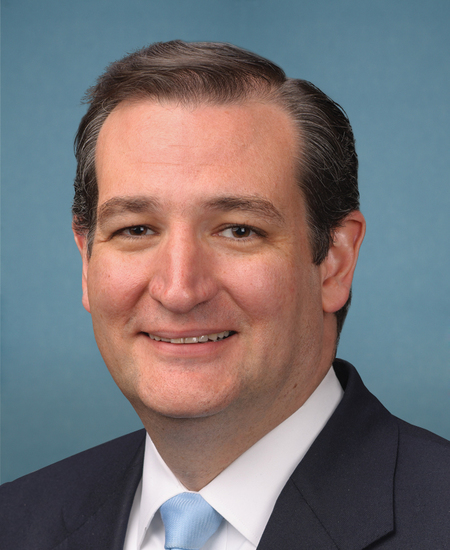
Ted Cruz
77% support rate
Top opponent
Henry Cuellar
30% support rate
Ranked legislators
10
5 support · 5 oppose
Key legislators

Who's moving criminal justice in Texas

Legislators moving criminal justice in Texas
Legislator Party Stance Support rate Votes
Ted Cruz
Ted Cruz Senate
R
Support
77% 158
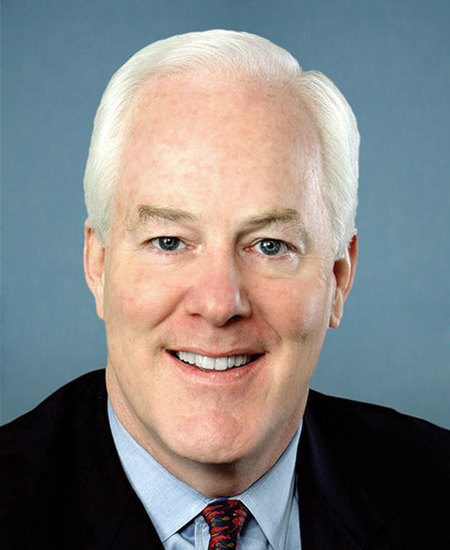
John Cornyn
John Cornyn Senate
R
Support
74% 170
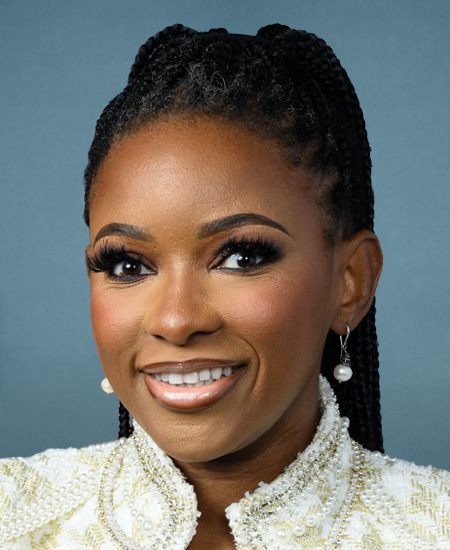
Jasmine Crockett
Jasmine Crockett House · District 30
D
Support
64% 148
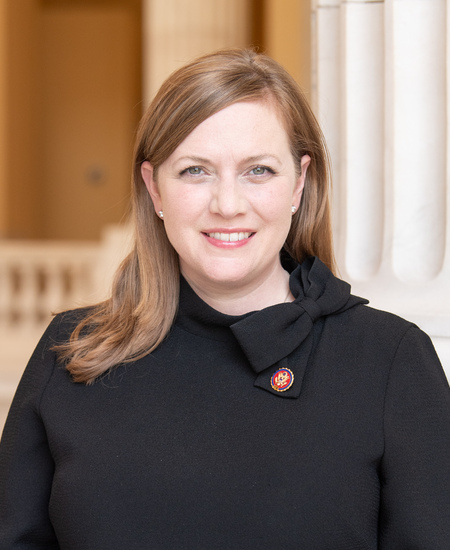
Lizzie Fletcher
Lizzie Fletcher House · District 7
D
Support
63% 154
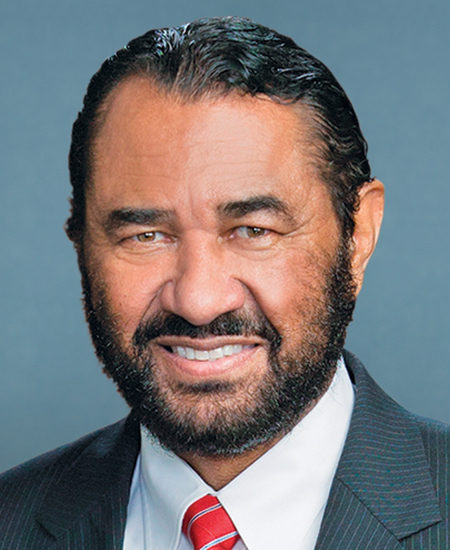
Al Green
Al Green House · District 9
D
Support
63% 153
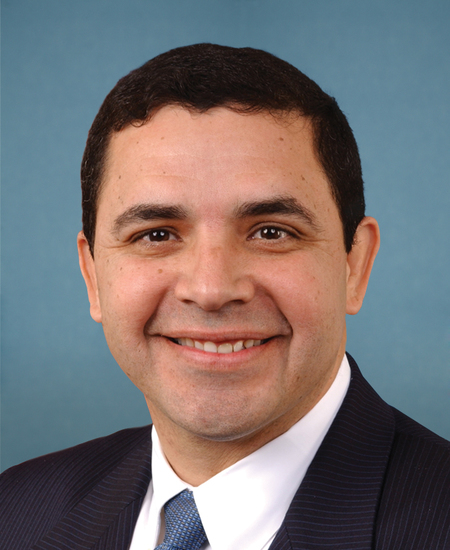
Henry Cuellar
Henry Cuellar House · District 28
D
Oppose
30% 152
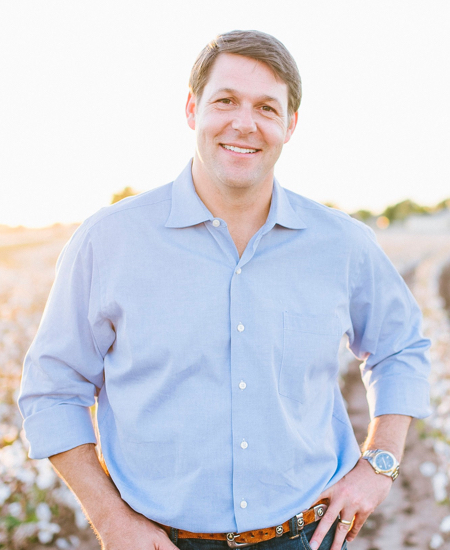
Jodey C. Arrington
Jodey C. Arrington House · District 19
R
Oppose
32% 151
Brandon Gill
Brandon Gill House · District 26
R
Oppose
32% 149
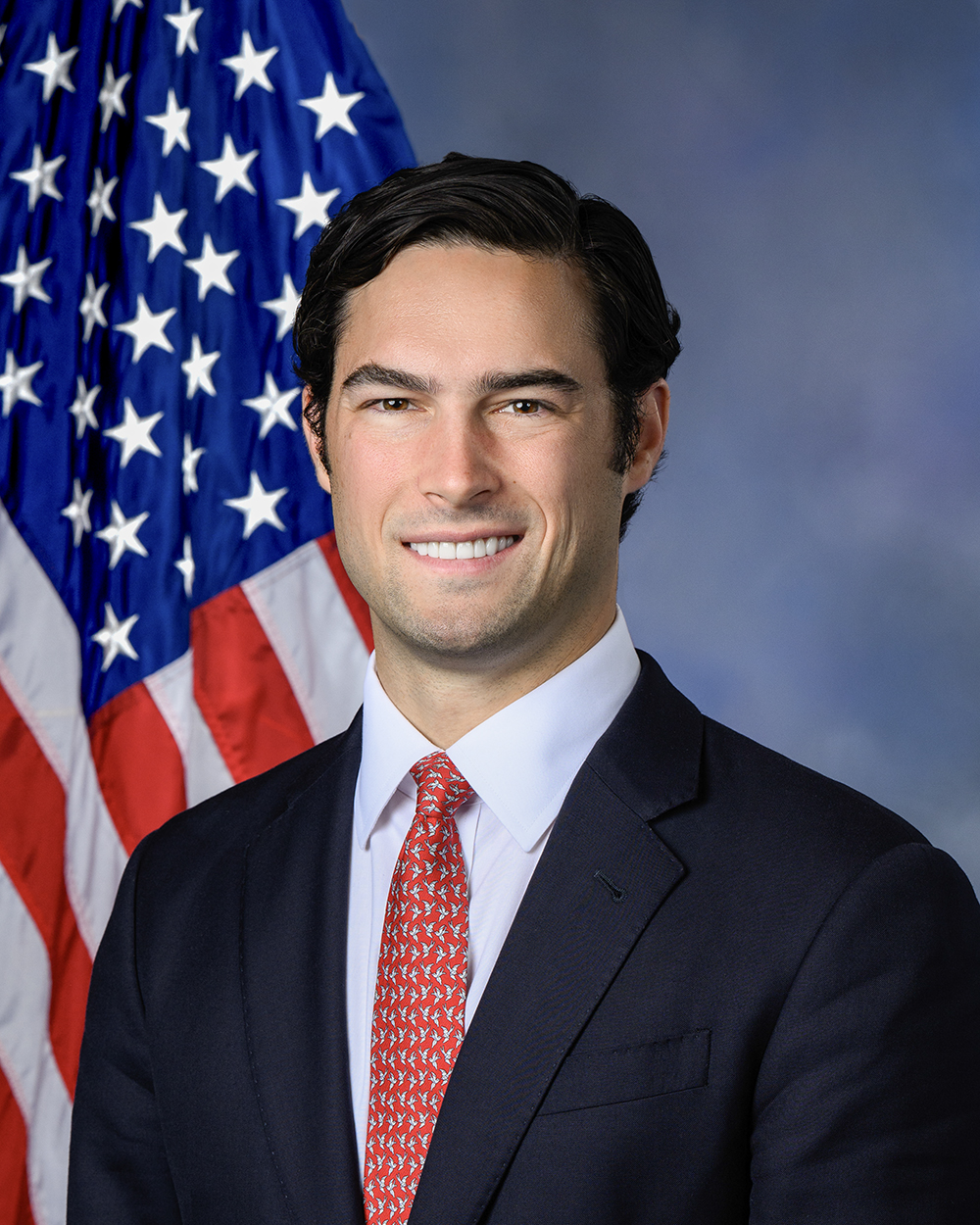
Nathaniel Moran
Nathaniel Moran House · District 1
R
Oppose
36% 149
Roger Williams
Roger Williams House · District 25
R
Oppose
36% 148
Showing 1–10 of 429 bills

All criminal justice bills

in committee · United States · House Sep 8, 2026

HR 10317: Inventory Act of 2026

The Digital Asset Inventory and Audit Act of 2026 requires all federal agencies to scan seized electronic devices and data for cryptocurrency private keys and other digital assets within 180 days of enactment. The bill mandates that these assets be securely stored, with the Attorney General responsible for developing technical standards and training programs for law enforcement and forensic examiners. Federal agencies must conduct annual audits to verify secure custody and report their findings to Congress, while the Government Accountability Office will perform broader compliance reviews every three years. Funding for the necessary digital forensic tools is authorized through amendments to existing federal forfeiture funds.
Sub-Topics Law Enforcement
in committee · United States · House Sep 2, 2026

HR 10231: No Homeless Detention Centers Act

The No Homeless Detention Centers Act prohibits recipients of federal housing funds from forcing homeless individuals to live in government facilities or requiring them to perform labor in exchange for shelter. The bill also bans local and state authorities from punishing people for engaging in basic life-sustaining activities, such as sleeping or resting, on public property. These restrictions apply to actions taken by law enforcement officers or private contractors acting under federal authority. By tying these prohibitions to federal funding, the legislation aims to prevent the use of criminal penalties or involuntary confinement to address homelessness.
in committee · United States · House Sep 3, 2026

HR 10272: End Gas Station Heroin Act

The End Gas Station Heroin Act amends the Controlled Substances Act to place 7-hydroxymitragynine and mitragynine pseudoindoxyl in Schedule I, while exempting naturally occurring kratom products that meet specific low-concentration limits. The bill also creates a new enforcement mechanism for emerging synthetic opioids by treating them as Schedule I controlled substances when they are manufactured or distributed commercially. This provision applies to synthetic opioids that are more potent than morphine and not approved for medical use, but it explicitly prohibits criminal or civil penalties for simple possession or personal use.
Sub-Topics Drug Policy
in committee · United States · House Sep 2, 2026

HR 10221: Flock-Off Act

The Flock-Off Act prohibits federal agencies, state and local governments, and other recipients of federal funds from using federal money to purchase, operate, or maintain automated camera systems that capture biometric data or license plate information. The bill requires these entities to remove any existing covered camera systems within 180 days of enactment, with violations resulting in the withholding of further federal funding until reimbursed. Specific exceptions allow for the continued use of such systems within one mile of the U.S. borders for security purposes and on toll roads strictly for toll collection and enforcement.
in committee · United States · House Sep 3, 2026

HR 10269: Stop Auto Fraud Act of 2026

The Stop Auto Fraud Act of 2026 creates a new federal crime for individuals who knowingly stage or fabricate motor vehicle accidents to submit false insurance claims. The bill directly affects people involved in these schemes by imposing penalties that include fines and up to 10 years in prison, with sentences increasing to 20 years if serious bodily injury occurs and potentially life imprisonment if the fraud results in death. Additionally, any criminal fines collected under this new law must be deposited into the Highway Trust Fund rather than general government revenue.
Sub-Topics Corrections
in committee · United States · Senate Aug 7, 2026

S 5371: Stopping Border Surges Act

The Stopping Border Surges Act proposes significant changes to U.S. immigration law regarding unaccompanied children and asylum seekers. It mandates that unaccompanied alien children be repatriated to their home countries if they do not meet specific criteria, while also allowing for the detention of families who entered the country together for misdemeanor border-crossing charges. For asylum applicants, the bill restricts eligibility to those arriving at designated ports of entry and shortens the deadline to file an application from one year to six months. It introduces a "safe third country" provision that can bar asylum claims if an individual transited through another nation without seeking protection there first. Additionally, the legislation requires audio or video recording of expedited removal interviews, imposes criminal penalties for asylum fraud, and terminates asylum status if an individual voluntarily returns to their home country.
in committee · United States · Senate Aug 6, 2026

S 5289: Right to Worship Act

The Right to Worship Act makes it unlawful for individuals to knowingly disrupt religious services or prevent people from entering houses of worship within 100 feet of an entryway during a one-hour window before and after scheduled services. The bill defines prohibited conduct based on the manner of the action, such as volume and duration, rather than the specific content of any speech, while explicitly preserving the right to speak freely under standard time, place, and manner restrictions. Violators face escalating civil fines ranging from $2,500 for a first offense to $10,000 per occurrence for subsequent violations, which are assessed by the Attorney General. Additionally, the legislation grants private individuals, the U.S. Attorney General, and state Attorneys General the authority to file civil lawsuits seeking injunctive relief, compensatory damages, or statutory penalties of $5,000 per violation.
in committee · United States · Senate Aug 6, 2026

S 5337: Keep Our Communities Safe Act of 2026

The Keep Our Communities Safe Act of 2026 significantly expands the authority of the Secretary of Homeland Security to detain non-citizens who are facing removal from the United States. The bill removes time limits on detention during removal proceedings and allows for indefinite detention after a final order is issued if specific conditions, such as national security threats or public safety risks, are certified by government officials. It restricts access to bond hearings for many detainees, requiring them instead to prove they are not flight risks or community threats through clear and convincing evidence. Additionally, the legislation establishes administrative review processes that permit detention beyond standard removal periods if an individual fails to cooperate with deportation efforts or poses a continuing danger.
in committee · United States · House Aug 6, 2026

HR 10052: Right to Worship Act

The Right to Worship Act makes it unlawful for individuals to knowingly disrupt religious services or prevent people from entering houses of worship within 100 feet of an entryway during the hour before and after a scheduled service. The bill applies to conduct that meaningfully interferes with a service's normal operation or unreasonably hinders participation, while explicitly allowing free speech as long as it adheres to these specific time, place, and manner restrictions. Violators face escalating civil fines ranging from $2,500 for a first offense to $10,000 for subsequent offenses, assessed by the Attorney General. Additionally, the act permits aggrieved individuals, the U.S. Attorney General, or state attorneys general to file civil lawsuits seeking injunctive relief, compensatory damages, and attorney fees.
in committee · United States · Senate Jul 30, 2026

S 5202: Protecting Our Kids from Harmful Research Act

The Protecting Our Kids from Harmful Research Act prohibits the use of federal funds to support research or publications regarding gender transition for individuals under the age of 18. This restriction specifically targets studies that aim to affirm a minor's perception or identity when it differs from their sex assigned at birth, as defined by their reproductive biology and genetics. The bill directly affects federal agencies and institutions that might otherwise receive funding to conduct such observational studies on hormonal treatments or surgical procedures for minors. By limiting financial support, the legislation seeks to prevent government resources from being used for research that challenges the biological definition of sex at birth.
Showing 1 to 10 of 429 bills
1 2 3 43 Next