Issue · Budget & Taxes

Budget & Taxes

Every budget & taxes bill, vote, and legislator stance in Texas, automatically classified by Maddy, our AI policy reader.

Total bills
115
119th Congress
Top supporter
Wesley Hunt
81% support rate
Top opponent
Marc A. Veasey
14% support rate
Ranked legislators
10
5 support · 5 oppose
Key legislators

Who's moving budget & taxes in Texas

Legislators moving budget & taxes in Texas
Legislator Party Stance Support rate Votes
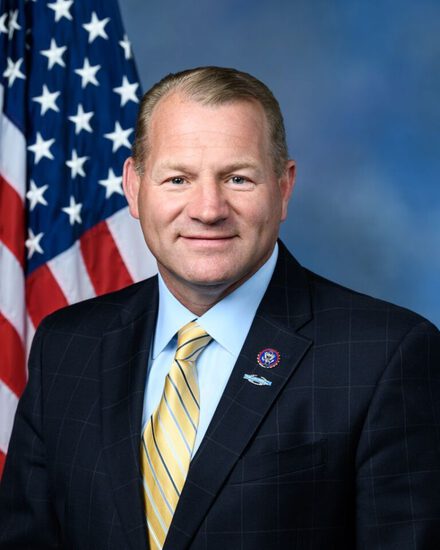
Wesley Hunt
Wesley Hunt House · District 38
R
Strong +
81% 152
Troy E. Nehls
Troy E. Nehls House · District 22
R
Support
78% 173
Michael Cloud
Michael Cloud House · District 27
R
Support
77% 184
Brandon Gill
Brandon Gill House · District 26
R
Support
77% 183
Chip Roy
Chip Roy House · District 21
R
Support
75% 181
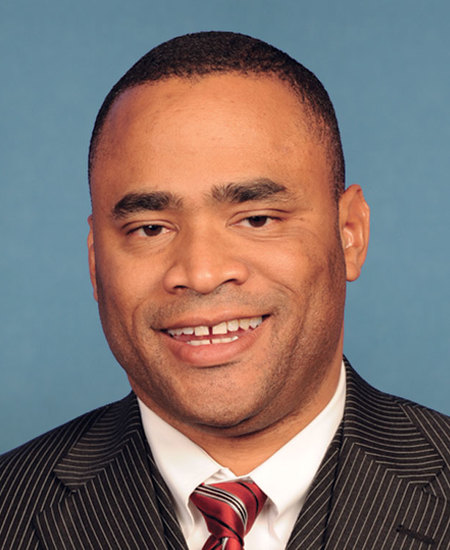
Marc A. Veasey
Marc A. Veasey House · District 33
D
Strong −
14% 179
Christian D. Menefee
Christian D. Menefee House · District 18
D
Strong −
16% 68
Jasmine Crockett
Jasmine Crockett House · District 30
D
Strong −
17% 177
Lizzie Fletcher
Lizzie Fletcher House · District 7
D
Strong −
18% 186
Lloyd Doggett
Lloyd Doggett House · District 37
D
Strong −
18% 181
Showing 1–10 of 115 bills

All budget & taxes bills

in committee · United States · House Sep 10, 2026

HR 10330: Higher Education Oversight for Nonprofits Ensuring Standards and Transparency Act

This bill establishes new procedural safeguards for the Internal Revenue Service when conducting tax inquiries or examinations of universities, requiring high-level Treasury approval based on reasonable belief that a university may not qualify for tax-exempt status. It mandates that the IRS provide written notice to the institution before beginning an inquiry and at least 15 days before starting a formal examination, offering the university the opportunity to hold a conference to discuss concerns. The legislation imposes strict time limits, requiring inquiries to be completed within 90 days and examinations within two years, while also restricting the ability to re-examine a university for five years if no significant tax issues are found. Additionally, it requires the Secretary of the Treasury to submit confidential reports to congressional committees detailing any new university tax investigations.
in committee · United States · House Sep 3, 2026

HR 10271: Mobile Workforce State Income Tax Simplification Act of 2026

The Mobile Workforce State Income Tax Simplification Act of 2026 restricts state income tax collection on employees who work in multiple states, limiting taxation to only the employee's home state and any other state where they perform duties for more than 30 days in a calendar year. This change directly affects multi-state workers and their employers by eliminating withholding and reporting requirements for wages earned in states where the employee does not meet the 30-day threshold. Employers are permitted to rely on employees' annual estimates of work location for tax purposes, unless the employer maintains a daily time and attendance tracking system or has actual knowledge of fraud. The bill excludes specific groups, such as professional athletes, entertainers, film production staff, and public figures, from these simplified rules, and it takes effect on January 1 of the second calendar year following its enactment.
Sub-Topics Income Tax
in committee · United States · House Jul 22, 2026

HR 9720: D.C. Taxing Authority Review Act

This bill, known as the D.C. Taxing Authority Review Act, modifies the rules for how new taxes and fees proposed by the District of Columbia government are reviewed by Congress. It requires that any D.C. law imposing or increasing a tax or fee must receive explicit approval from a joint resolution passed by both the House of Representatives and the Senate within 60 days, or else the law will not take effect. Additionally, the bill limits the time for debating these specific approval resolutions to one hour, split evenly between supporters and opponents. These changes directly affect the District of Columbia government's ability to enact new financial measures without prior congressional consent.
in committee · United States · House Jun 11, 2026

HR 9289: Keep Public Funds in Public Schools Act of 2026

The Keep Public Funds in Public Schools Act of 2026 eliminates a federal tax credit that allowed parents to deduct contributions to scholarship granting organizations from their income. By removing these specific tax breaks, the bill prevents the use of public tax dollars to support private school vouchers and scholarship programs. This change directly affects families who currently rely on these tax incentives to fund education outside the public school system. The provisions take effect for taxable years beginning after December 31, 2026.
in committee · United States · House Jun 18, 2026

HR 9345: Medicaid Equal Standards Act

The Medicaid Equal Standards Act requires states to implement a resource limit for individuals eligible under the Medicaid expansion, effective January 1, 2029. Under this bill, an individual would lose eligibility if their countable assets exceed $10,000, or $20,000 for married couples, with the limit adjusted every four years based on inflation. States retain some flexibility to set lower limits or include certain assets that are normally excluded from the calculation. The law also ensures that states remain eligible for federal funding even if they deny coverage to people who exceed these asset thresholds.
Sub-Topics Medicaid
in committee · United States · House May 20, 2026

HR 8921: Freedom from Taxes Act of 2026

The Freedom from Taxes Act of 2026 eliminates federal transfer and making taxes on firearms, which directly affects individuals buying or manufacturing guns. By setting these specific taxes to zero, the bill removes the $200 fee previously required when transferring or making certain firearms. The law also adds a time limit to a special tax, ensuring it no longer applies to years beginning after the bill takes effect. These changes would become active on the first day of the first calendar quarter starting more than 90 days after the legislation is signed into law.
in committee · United States · Senate May 21, 2026

S 4629: Government Bailout Prevention Act

The Government Bailout Prevention Act prohibits the use of federal funds, Treasury resources, or Federal Reserve assistance to support state, local, or school district governments facing financial distress starting January 1, 2026. Specifically, the bill bars the government from purchasing or guaranteeing debt for entities that have filed for bankruptcy, defaulted on obligations, or are at risk of defaulting without such help. This restriction also covers debt restructuring activities but includes an exception for financial aid provided in response to declared disasters.
in committee · United States · House May 21, 2026

HR 8995: REMITTANCE Act

The REMITTANCE Act increases the excise tax on remittance transfers from 1 percent to 25 percent, with the goal of reducing the federal deficit by directing the collected funds to the Treasury's general fund. While this higher tax applies broadly, the bill creates a specific refundable tax credit for U.S. citizens who send money for business or travel purposes, allowing them to claim back the tax paid on those specific transactions. The legislation defines remittance transfers using existing standards from the Electronic Fund Transfer Act and applies these new tax rules retroactively to the date of a previous law. Ultimately, the bill aims to discourage personal money transfers while providing financial relief to individuals sending funds for work or travel.
in committee · United States · House May 19, 2026

HR 8885: STOP TRUMP ACT

This bill, known as the STOP TRUMP ACT, prohibits the use of federal funds to pay claims or establish compensation programs for the President, their family, political appointees, or individuals designated for preferential treatment regarding alleged government retaliation. It specifically bars the Department of Justice from representing the United States in lawsuits where the President seeks financial or political benefits and mandates the repayment of any funds already disbursed in violation of these rules. The legislation declares any agreements or settlements made in breach of these provisions to be legally void and empowers the Treasury to recover illicit payments through asset seizures and offsets against other federal benefits.
in committee · United States · House Jun 25, 2026

HR 8767: Compensation Fund Recrediting Act

The Compensation Fund Recrediting Act sets a specific end date for the Filipino Veterans Equity Compensation Fund, which provides financial compensation to Filipino veterans of World War II. Under this legislation, the fund will stop operating on January 1, 2027, and any remaining money in the fund will be transferred to the Treasury's general fund. This change affects the timeline for when veterans can receive payments and determines how leftover funds are handled after the program concludes.
Showing 1 to 10 of 115 bills
1 2 3 12 Next