

Maddy summaryThis resolution (SJR 435) is a ceremonial measure to honor the U.S. Army Reserve's 117th anniversary on April 23, 2025. It formally recognizes the contributions of Army Reserve members - past and present - to national defense and democracy, specifically highlighting their role in Tennessee (with 3,500 soldiers and $158 million in annual economic impact). The resolution does not create new laws, alter policies, or affect any individuals or groups; it serves solely as a symbolic acknowledgment by the Tennessee General Assembly. As a commemorative resolution, it has no binding effect or practical consequences.
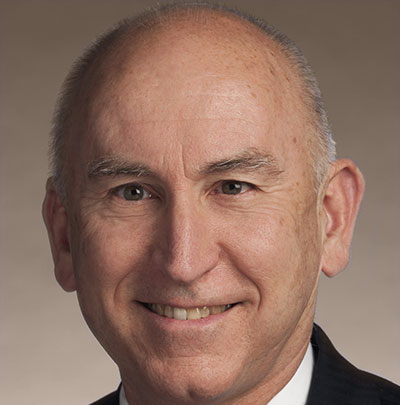
Sen. Richard Briggs
Sponsored bills
Maddy summaryThis resolution (SJR 358) formally commends Kilyn Booker, a Tennessee State University student and legislative intern for Rep. Johnny Shaw, for being elected Minority Leader of the 2025 Intern Mock Session. It honors her service during the mock legislative session, which is part of the annual internship program for students learning about state government. The resolution has no policy impact - it is purely ceremonial, recognizing her leadership role in the student-led mock session. It was signed by the Governor on April 24, 2025, completing the process.
Maddy summarySJR 359 is a ceremonial resolution commending Nicholas Reynolds, a University of Tennessee, Knoxville student, for being elected Governor of the 2025 Intern Mock Session. It honors his service as a legislative intern under Lieutenant Governor Randy McNally and Senator Adam Lowe during the 114th Tennessee General Assembly's first regular session. The resolution has no binding policy effect - it is purely symbolic recognition of Reynolds' leadership role in the mock session. This procedural resolution directly affects Reynolds by formally acknowledging his contributions to the legislative internship program.
Maddy summarySB 770 authorizes Tennessee cities, towns, and counties to create local boards that can require retailers of hemp-derived cannabinoid products (HDCPs) to obtain annual permits ($250 per location). These local boards may regulate HDCP sales within their jurisdictions, as long as rules don’t conflict with state law or the Department of Agriculture’s regulations. Retailers operating without a permit face civil penalties up to $1,000 per violation, with enforcement handled by local law enforcement under agreements with the state department. The bill takes effect July 1, 2025, and directly affects local governments, HDCP retailers, and state regulatory oversight.
Maddy summaryThis is a ceremonial Senate Resolution (SR 123), not a legislative bill with policy changes. It formally commends Abagael Hicks for her service as a legislative intern working for Senator Richard Briggs during the 2025 Tennessee General Assembly session. The resolution recognizes her academic achievements and contributions to the legislative process but does not create any new laws, regulations, or funding. It is purely symbolic, with no direct effect on state policy or other individuals.
Maddy summarySB 941 amends Tennessee law to create a five-day window for nonprofit organizations to apply for permission to operate charitable gaming events during the 2025-2026 annual period (July 1, 2025 - June 30, 2026). It directly affects nonprofits seeking to host such events by allowing them to submit applications within five calendar days after the bill's effective date (April 2, 2025). The key provision establishes a new application deadline and requires the secretary to provide an updated list of approved organizations within ten days of the effective date. This change specifically applies to annual events under the 2025-2026 cycle, modifying existing submission and listing procedures in Tennessee Code Annotated Title 3, Chapter 17.
Maddy summarySB 306 allows Tennessee's Secretary of State to dissolve certain businesses, including corporations, cooperatives, and LLCs, if they file a document with knowingly false information or are owned by a foreign government or foreign entity designated as a "foreign adversary" by the U.S. government. The bill adds these two specific conditions to existing business registration laws, permitting dissolution without a court order. It applies to all businesses filing documents with the Secretary of State, affecting both domestic and foreign-owned entities operating in Tennessee. An exception is maintained for foreign entities approved by the Committee on Foreign Investment in the United States.
Maddy summarySB 772 allows members of energy authority boards in Tennessee to receive additional pay and health insurance for attending meetings when overseeing multiple utility systems. It directly affects board members of energy authorities formed under the Municipal Energy Authority Act. The bill amends Tennessee law to authorize this extra compensation based on the number of utility systems managed, mirroring existing rules for municipal electric system directors. This change applies to all energy authorities created under relevant state laws. The policy creates a new financial incentive for board members managing complex utility portfolios.
Maddy summarySB 939 requires Tennessee's TACIR (Tennessee Advisory Commission on Intergovernmental Relations) to study the economic impact of cosmetology and barbering professions in the state, including revenue generated and jobs created. The study must use TACIR's existing resources and may request input from the Department of Commerce and Insurance. Upon completion, TACIR must report findings and recommendations - including any proposed legislation - to the chairs of the Senate Commerce and Labor Committee and the relevant House committee, plus provide a copy to the legislative librarian. This bill does not create new laws but mandates a factual study to inform future policy decisions affecting these professions.
Maddy summarySB 462 designates the month of November as "Diabetes Awareness Month" in Tennessee by adding this observance to the state's official calendar of special days (Tennessee Code Annotated, Title 15, Chapter 2, Part 1). The bill directly affects all Tennessee residents by officially recognizing November for raising public awareness about diabetes. It does not create new programs, funding, or legal requirements - only formalizing this month-long observance in state law. The measure became effective upon enactment as Public Chapter 139.