

Maddy summaryHB 1192 removes the maximum fee that notaries public in South Dakota are allowed to charge for their services. This change directly affects notaries and the individuals who pay for notary services across the state. By eliminating the fee cap, the bill allows notaries to set their own charges without state-imposed limits. The legislation does not alter other notary requirements or the overall process for obtaining a notary commission.
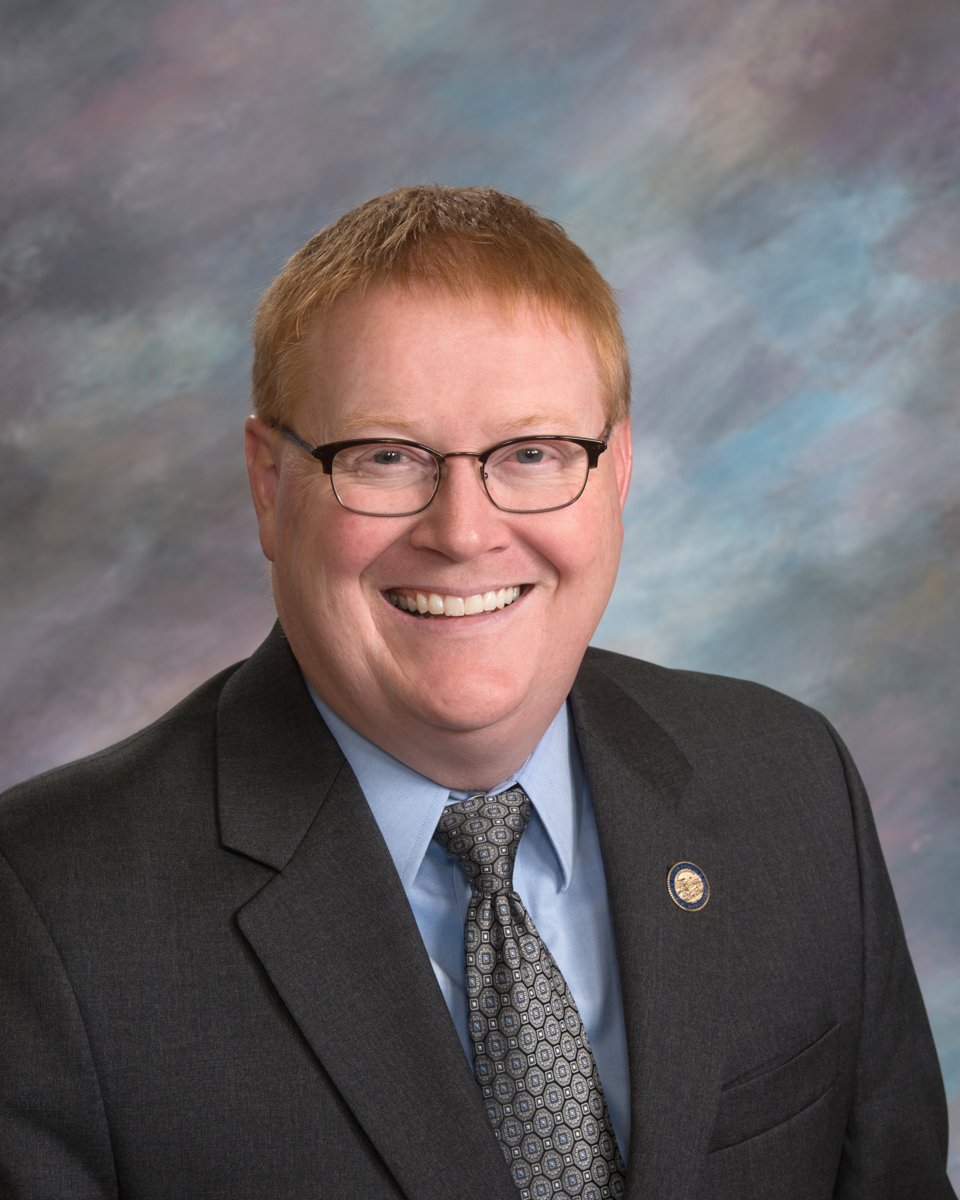
Sen. Tim Reed
Sponsored bills
Maddy summaryThis bill allows employers in South Dakota to purchase and distribute over-the-counter opioid antagonists to their employees. The legislation creates a legal exception to existing laws that typically restrict the distribution of such medications by non-medical personnel. It directly affects businesses and their staff by permitting them to provide these drugs as a workplace harm reduction measure. The bill does not require a prescription for the antagonists, enabling easier access for employees at risk of opioid overdose.
Maddy summaryThis bill authorizes counties in South Dakota to work together to operate a shared office for county directors of equalization. It directly affects county governments by allowing them to collaborate on administrative functions related to property assessment and tax equalization. The key provision permits multiple counties to pool resources and staff for this specific role, potentially reducing individual county costs. The legislation focuses on operational cooperation rather than changing existing tax laws or assessment standards.
Maddy summaryThis bill prohibits pharmaceutical manufacturers from interfering with contracts between 340B entities and pharmacies, directly affecting drug manufacturers and healthcare organizations that participate in the 340B drug pricing program. The legislation establishes penalties for manufacturers who attempt to influence these contractual relationships, aiming to protect the integrity of the program's pricing structure. By creating specific consequences for interference, the bill seeks to maintain the existing agreements between covered entities and their pharmacy partners without manufacturer obstruction.
Maddy summaryHB 1092 allocates funding to establish a student teacher stipend grant program in South Dakota. The bill directly affects university students pursuing teaching certifications by providing financial assistance to cover their costs while completing student teaching requirements. Key provisions include setting aside specific budget amounts for stipend payments and outlining eligibility criteria for recipients. This measure aims to support pre-service teachers through the practical training phase of their education.
Maddy summaryThis bill establishes criminal offenses for boat operators in South Dakota and sets corresponding penalties for violations. It directly affects individuals who operate boats within the state's waters by defining specific prohibited behaviors and outlining consequences for non-compliance. The legislation creates a legal framework to enforce safety standards and address misconduct among boat operators through defined criminal charges and punishment measures.
Maddy summaryThis bill allocates funds to purchase, store, and distribute sexual assault evidence kits in South Dakota. The appropriation directly supports law enforcement agencies and forensic laboratories that handle these kits. The funds are intended to ensure proper inventory management and distribution of the kits to relevant facilities. This measure addresses logistical needs without changing existing legal procedures for sexual assault investigations.
Maddy summarySB 80 updates regulations concerning students and trainees participating in funeral service education and training programs in South Dakota. The bill modifies existing provisions to clarify requirements for supervision, instruction, and practical experience within funeral service curricula. These changes directly impact funeral service schools, educators, and individuals pursuing certification in funeral directing. The legislation aims to standardize training standards without altering the core requirements for professional licensure.
Maddy summaryHB 1067 is a procedural bill that seeks to define the term "must" within South Dakota state laws and regulations. The legislation would establish a specific legal interpretation for this word to ensure consistency across various statutes. This clarification primarily affects state agencies, courts, and legal professionals who apply these laws. The bill aims to reduce ambiguity in legal documents by providing a standardized definition for this common term.
Maddy summarySB 123 proposes changes to the rules governing forensic medical examinations in South Dakota. The bill directly affects law enforcement agencies, medical professionals, and individuals involved in criminal investigations. It updates specific procedures and requirements for how these examinations are conducted and documented. The legislation aims to clarify existing laws without altering the fundamental purpose of forensic examinations.