

Maddy summaryHB 1233 modifies South Dakota's tax collection agreements with Indian tribes by expanding the list of state taxes tribes can collect on behalf of the state. The bill adds 13 specific taxes to the existing list, including retail sales tax, cigarette tax, motor vehicle excise tax, and remote seller sales tax. Under the agreement, tribes would collect these taxes and the state would retain a set percentage of the collected revenue as an administrative fee. This directly affects tribal governments (as tax collectors) and South Dakota's Department of Revenue (as the state entity managing collections).
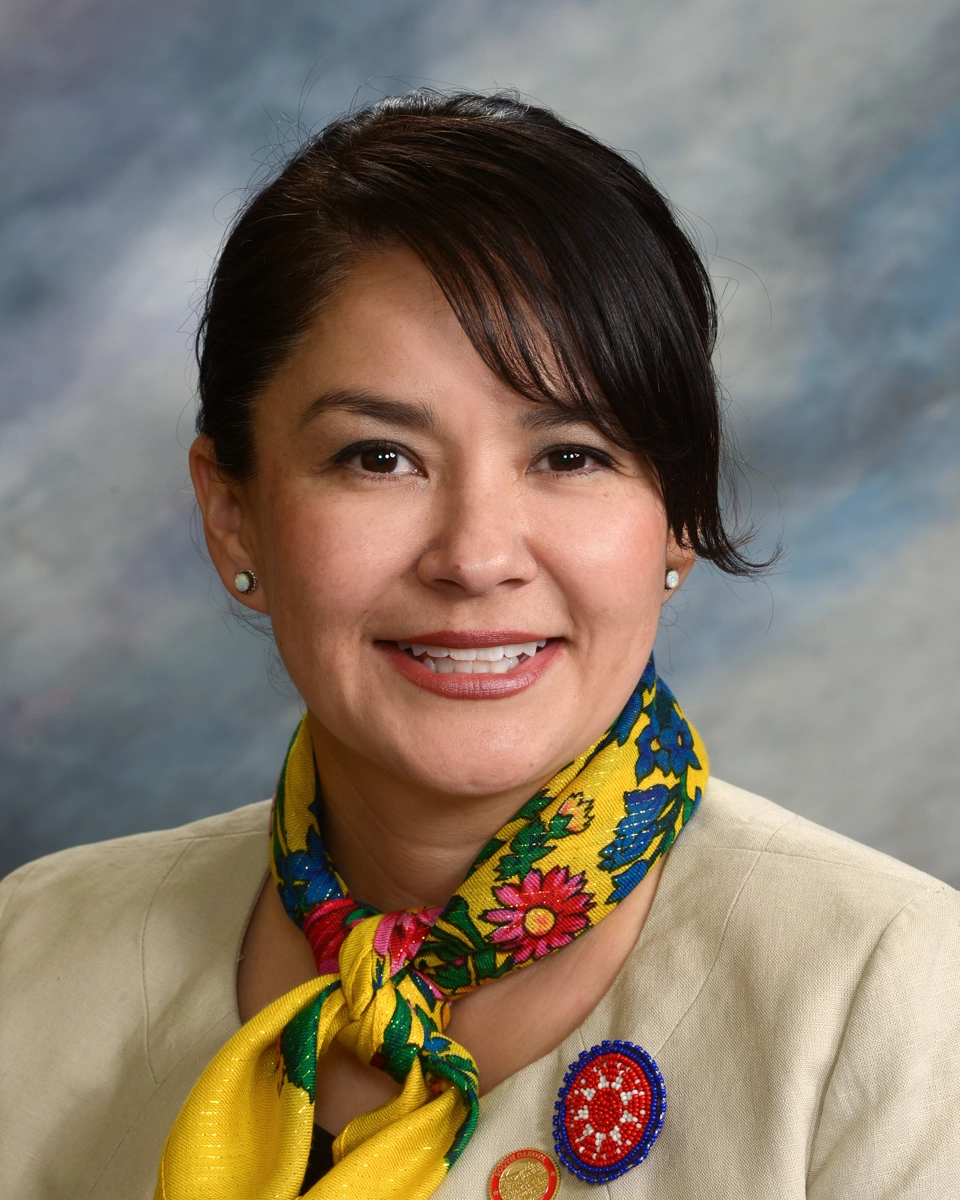
Sen. Red Dawn Foster
Sponsored bills
Maddy summaryThis bill is a legislative commemoration that formally recognizes the Boys & Girls Clubs of South Dakota and their 2026 Youth of the Year program. It highlights the organization's work serving over 18,000 children annually across 60 locations and acknowledges specific finalists from Sioux Falls, Wagner, Mission, Flandreau, and Pierre. The resolution does not create new laws or funding but instead serves as an official state acknowledgment of the program's achievements and the accomplishments of the youth nominees.
Maddy summaryThis bill is a legislative commemoration that formally recognizes Generations Indigenous Ways, a nonprofit organization on the Pine Ridge Indian Reservation. The resolution highlights the organization's work in blending Lakota cultural knowledge with science, technology, engineering, and mathematics education to empower Native youth. It acknowledges the group's programs, which include science camps, afterschool activities, and food sovereignty initiatives that foster cultural pride and community wellbeing. The bill does not change laws or allocate funding but serves to honor the organization's contributions to education and cultural preservation.
Maddy summaryHB 1213 appropriates $2.5 million from the general fund to the South Dakota Department of Education for a statewide educator retention initiative. The bill provides grants to public school districts and accredited nonpublic schools to address retention challenges, using both quantitative and qualitative data to identify and resolve underlying issues. School districts must apply for funding, with grants covering program costs during fiscal years 2026-2029, and the Department may use up to 5% of the appropriation for administration. This initiative requires a comprehensive approach to support educators, with funds allocated based on approved applications and expiring June 30, 2029.
Maddy summaryHB 1293 appropriates $6.8 million from South Dakota's general fund to increase benefit amounts for the Temporary Assistance for Needy Families (TANF) program. It directs the Department of Social Services to provide TANF benefits equal to fiscal year 2025 levels starting immediately and continuing through July 1, 2027. The bill declares an emergency to allow immediate implementation of these increased benefits. This funding directly affects TANF recipients by raising their monthly support payments for a two-year period.
Maddy summarySB 199 creates a Property Tax Relief Fund in the state treasury to help reduce property taxes for homeowners and businesses. The fund is funded by transferring 25% of the annual increase in the state's general fund revenue each August into the account, starting in 2026. Local governments (political subdivisions) can use these funds to lower property tax levies on real property within their jurisdictions. The Department of Revenue administers the fund, and deposits automatically adjust based on state revenue changes each year. This provides a structured, ongoing mechanism for property tax relief tied to state budget growth.
Maddy summaryHB 1236 would amend South Dakota law to remove civil liability immunity for licensees (like bars and restaurants) who serve alcohol to someone who is obviously intoxicated. Currently, licensees cannot be sued for injuries or deaths caused by such violations, but this bill would allow injured parties or their estates to pursue civil claims. The key change directly affects licensed alcohol establishments and their employees who serve patrons showing clear signs of intoxication. This shifts the legal standard by making licensees financially responsible for harm resulting from their violation of the existing prohibition against serving intoxicated individuals.
Maddy summarySB 127 limits data center operations to reduce disruptions for nearby residents. It prohibits new data centers within one mile of residential areas (though local governments can set stricter rules) and caps continuous noise at 45 decibels near residential property lines. The bill defines data centers broadly to include cloud services, cryptocurrency mining, and streaming platforms. Violations would be deemed legal nuisances, allowing state attorneys or affected residents to seek court orders to stop the disruptions.
Maddy summaryHB 1117 modifies the reporting requirements for the Governor's Office of Economic Development regarding certain awards and grants from South Dakota's "Employer's Investment in South Dakota's Future Fund." The bill changes the frequency of the report from "biannual" to "twice each year," requiring the office to submit the same detailed report to specified legislative committees twice yearly instead of less frequently. The report must include recipient names, locations, funding purposes, economic impact measures, job creation numbers, fund balances, and status updates for awards/grants made over the past 20 years. This change affects the Governor's Office of Economic Development by altering how often it must provide these transparency reports to legislative committees. The bill does not alter the content or scope of the required information.
Maddy summaryHB 1031 revises South Dakota's rape offense definitions and increases penalties, primarily affecting victims under 13 and perpetrators convicted of sexual crimes against minors. It adds new circumstances to rape definitions (e.g., victim incapacity due to intoxication) and establishes a 15-year minimum sentence for first offenses involving victims under 13. The bill also removes the statute of limitations for rape cases involving victims under 13 or using force/coercion, allowing charges to be filed until the victim turns 25. These changes directly impact criminal sentencing for sexual offenses and extend legal accountability for certain victims.