

Maddy summarySB 166 requires county commissioners and planning commissions in South Dakota to either hold meetings after 6:00 p.m. on weekdays or provide recordings of meetings to the public. Recordings must be made freely available on a publicly accessible platform within 24 hours of the meeting. The bill applies directly to county-level government bodies responsible for local planning and zoning decisions, ensuring greater public access to their proceedings. It amends existing statutes governing meeting schedules for these commissions.
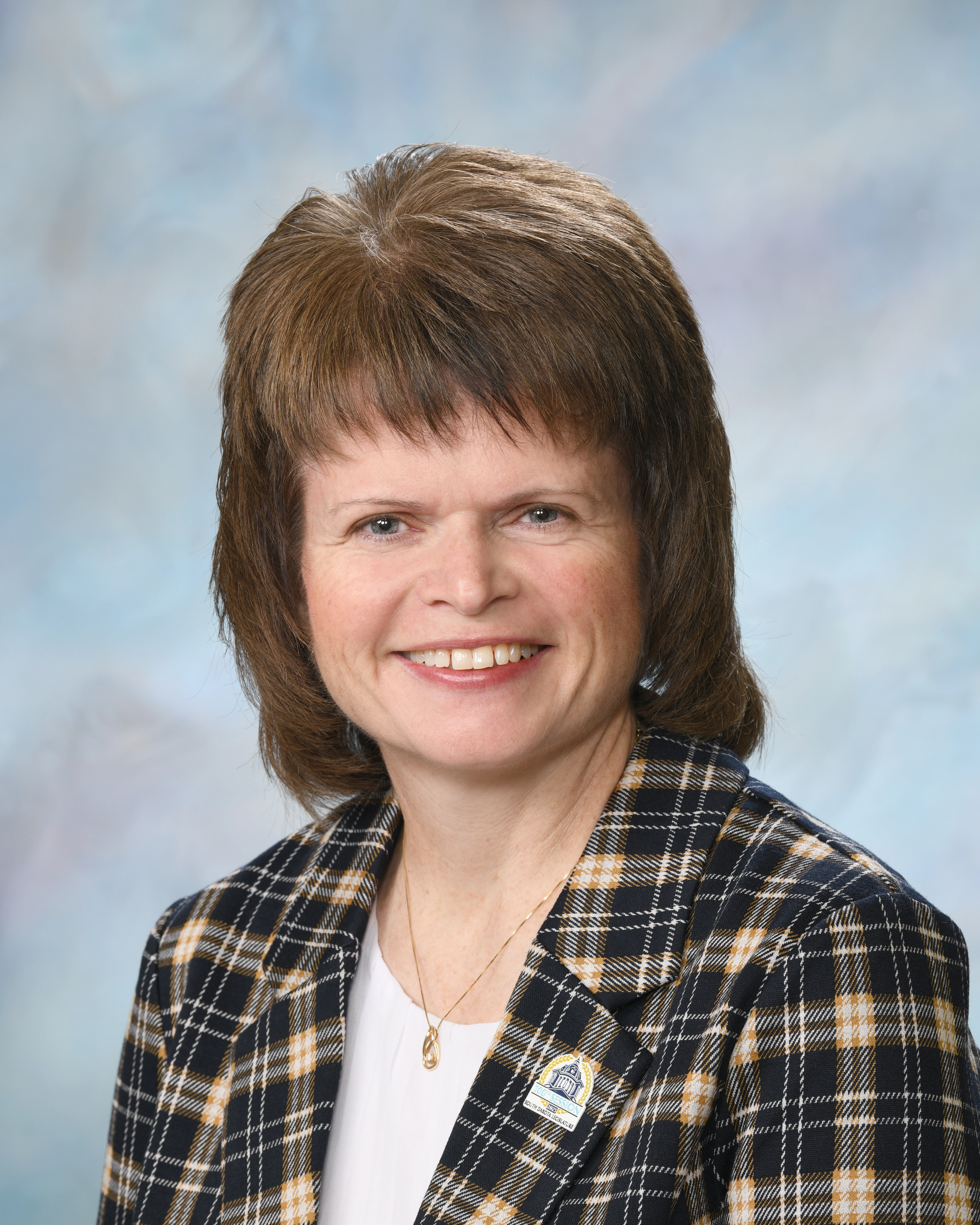
Sen. Lauren Nelson
Sponsored bills
Maddy summarySouth Dakota's SB 12 allows qualifying veterans with certain disabilities (like loss of use of both lower extremities) or their unremarried surviving spouses to request refunds for property taxes paid in the previous four years if they missed the application deadline for an existing property tax exemption. The bill amends tax exemption rules to permit petitions to county commissioners for these refunds, which the commissioners may approve or deny at their discretion. It directly affects veterans and surviving spouses who previously paid taxes they might have qualified to avoid. The refund mechanism applies only to taxes paid in the four years prior to the petition, not future exemptions.
Maddy summarySB 2 amends South Dakota law to clarify that firearm silencers (devices reducing gunshot noise) are not classified as "controlled weapons." This change removes silencers from the category of weapons subject to strict state regulations, such as special permits or licensing requirements. The bill directly affects gun owners, manufacturers, and sellers of silencers in South Dakota by eliminating these regulatory barriers. The key mechanism is an amendment to the definitions section of the state's criminal code (§ 22-1-2), specifically excluding silencers from the definition of "controlled weapon."
Maddy summaryHB 1310 appropriates $10 million from South Dakota's economic development fund to provide loans for startup or expansion of custom exempt plants and slaughtering establishments (defined under §39-5-6). The loans, capped at $1 million per establishment and secondary to other financing for the same purpose, are administered by the Governor's Office of Economic Development. Funds must be used for eligible projects within the state, with unspent amounts reverting per standard procedures. The program becomes effective June 30, 2026.
Maddy summaryThis South Dakota House Concurrent Resolution (HCR 6009) urges Congress to repeal the federal estate tax. It directly affects farm and ranch families and generational family businesses, as their assets (like land and equipment) are often hard to sell quickly to pay the tax. The resolution highlights that the tax can force heirs to downsize or sell operations to cover payments, rather than allowing them to maintain family assets. The resolution is a formal request to Congress, not a law, and does not change existing tax policy.
Maddy summarySB 167 requires South Dakota school districts to administer annual academic assessments to all 11th-grade students. It adds new provisions allowing each 11th grader, in consultation with a guidance counselor, to select from a state-approved list of assessments that measure academic progress, align with state standards, and accommodate diverse post-graduation pathways. The South Dakota Board of Education must approve these assessments annually by May 1st and provide the approved list to schools. This replaces the previous requirement that all 11th graders take a single mandated test, giving students more choice within state-approved options.
Maddy summaryHB 1116 prohibits video streaming services (like Netflix or Disney+) from showing ads about abortion, alcohol, drugs, gambling, gender identity, nicotine, or sexual behavior during programming designed for children under 16. The law defines "children's programming" as content for under-16s and targets streaming services directly, excluding traditional broadcasters. Violations could result in a civil penalty of up to $5,000, collected by the attorney general and deposited into the state general fund. This bill directly affects streaming platforms that offer content for young audiences and changes advertising rules during those programs.
Maddy summarySB 84 increases the income threshold for students to qualify for South Dakota's Partners in Education scholarship program. It raises the initial income requirement from 152% to a higher percentage of the national free/reduced-price lunch income standard (currently 152% for initial eligibility), directly affecting low-income students seeking tuition assistance at participating nonpublic schools. The bill maintains that students who qualify initially remain eligible for three years or until high school graduation without income checks, but must later meet a 250% income threshold to renew. This change expands access to the scholarship program by allowing more households to qualify under the new higher income cap.
Maddy summaryHB 1068 allows South Dakota pharmacists to dispense ivermectin and hydroxychloroquine to adults 18+ based on written protocols created by physicians. These protocols must include risk assessments, drug information (indications, usage, side effects), and instructions for handling adverse events. The law shields physicians and pharmacists from liability for good-faith compliance, except in cases of gross negligence or willful misconduct. It directly affects healthcare providers who dispense these drugs and patients receiving them under this new process.
Maddy summaryThis bill (SC 807) is a symbolic legislative commemoration honoring custodial staff across South Dakota for their work. It formally recognizes their role in maintaining clean, safe environments in schools, healthcare facilities, businesses, and public spaces. The bill does not create new laws, policies, or funding - its sole purpose is to express official appreciation for their dedication. It directly affects all custodial staff in the state through this public acknowledgment, with no concrete policy changes or requirements.