

Maddy summarySB 161 proposes to set a maximum salary limit for school administrators in South Dakota. The bill directly affects school districts and the administrators who work within them by capping their compensation. It establishes a specific dollar amount or formula that determines the highest salary an administrator can earn, preventing pay from exceeding that threshold. This measure aims to control education spending by ensuring administrator salaries remain within a defined range.
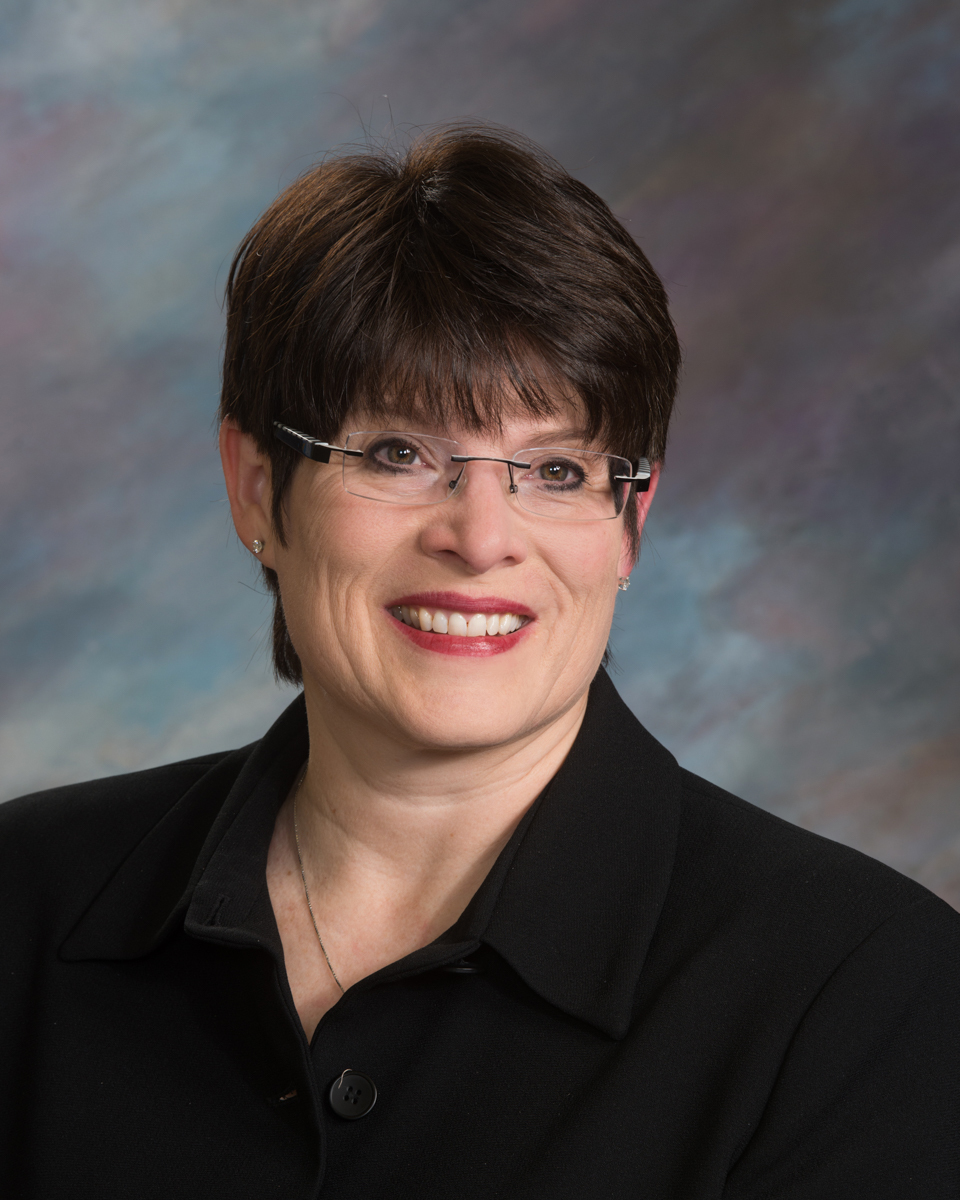
Sen. Sue Peterson
Sponsored bills
Maddy summaryThis bill proposes to recognize Scouting America Day at the South Dakota Capitol to celebrate the organization's 115th anniversary. It would allow for official acknowledgment of Scouting America's contributions to youth development through its programs and activities. The measure does not create new funding or policy changes but serves as a commemorative resolution honoring the organization's history and impact.
Maddy summaryThis bill prohibits the use of drones to assess real property for taxation purposes in South Dakota. It directly affects local tax assessors, property owners, and drone operators who might otherwise use aerial technology for property valuation. The legislation establishes penalties for anyone who violates this ban, ensuring that property assessments continue to rely on traditional methods rather than unmanned aerial vehicles. By restricting drone usage in this specific context, the bill aims to maintain established assessment procedures while preventing unauthorized aerial surveillance for tax evaluation.
Maddy summaryThis bill allows public schools in South Dakota to authorize individuals to serve as school chaplains, either as volunteers or employees. The legislation enables schools to formally recognize and support religious or spiritual leaders who provide counseling and pastoral care to students. By permitting these roles, the bill aims to expand access to spiritual guidance within the public education system while maintaining existing employment and volunteer standards.
Maddy summaryHB 1017 requires schools in South Dakota to accept cash payments for admission to school-affiliated events. This provision directly affects school districts, event organizers, and families attending these events by mandating that cash be treated as a valid form of payment. The bill ensures that individuals cannot be denied entry to school events solely because they pay with cash rather than other payment methods. This change applies to all school-sponsored activities where admission fees are charged.
Maddy summaryHB 1048 requires businesses in South Dakota to accept cash as a form of payment for certain transactions, directly affecting merchants and consumers who use cash. The bill mandates that cash cannot be refused for purchases up to a specified dollar amount, ensuring cash remains a viable payment option. This provision aims to prevent businesses from discriminating against customers who prefer or rely on cash payments. The law applies to retail transactions and other specified commercial exchanges within the state.