

Maddy summaryHB 1086 appropriates $2.7 million from the general fund to the South Dakota Department of Corrections for a grant to a nonprofit organization. The nonprofit must provide trauma-informed programming - including leadership development and skills training - to both offenders and correctional staff at three specific state prisons: South Dakota State Penitentiary, Mike Durfee State Prison, and South Dakota Women's Prison. To qualify, the nonprofit must currently operate such programming at a state facility and plan to serve all three prisons, as verified by the Department of Corrections. Unspent funds by June 30, 2031, will revert to the state treasury.
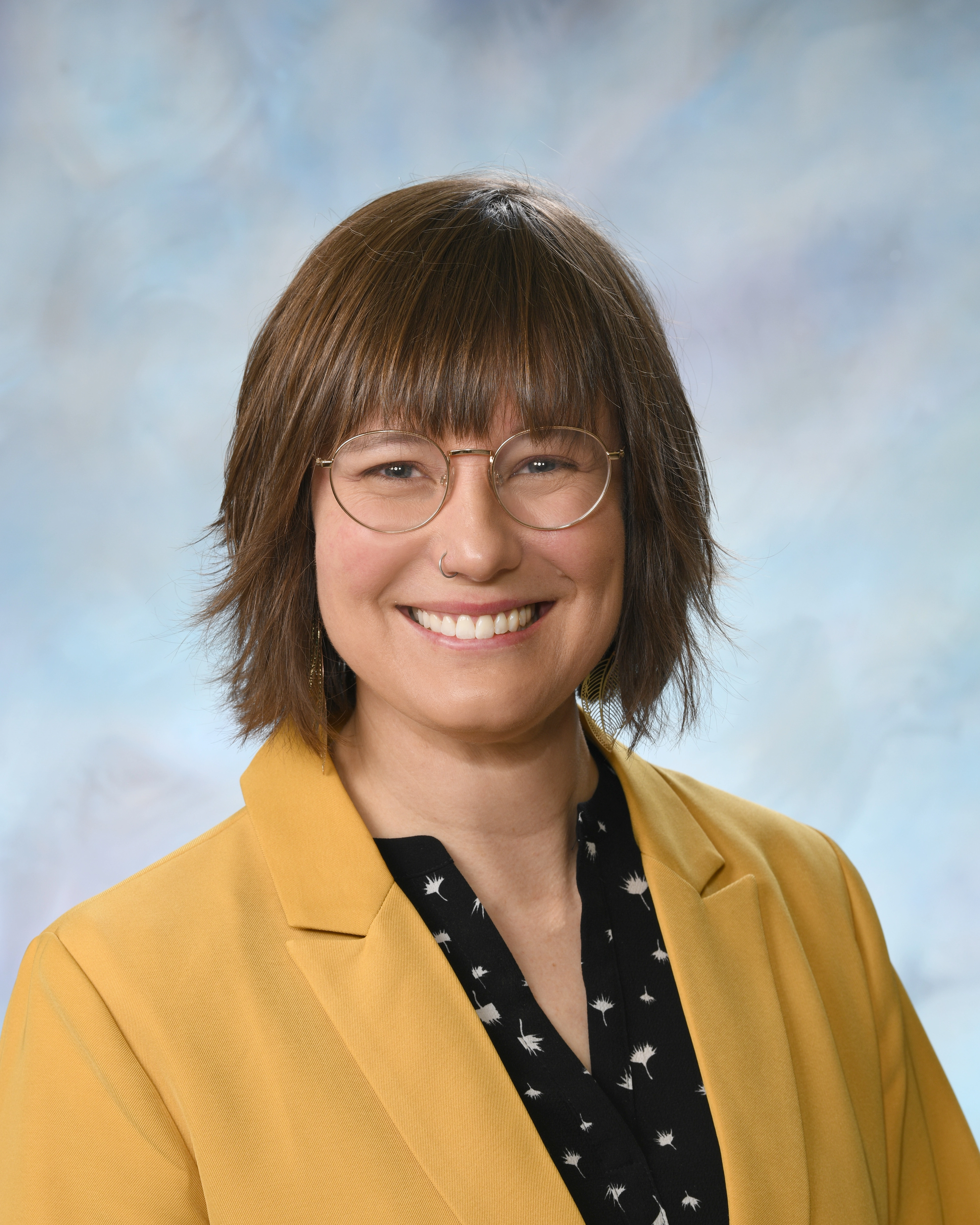
Rep. Nicole Uhre-Balk
Sponsored bills
Maddy summarySB 93 prohibits state employees who approve, award, or administer state contracts from working for the organizations that received those contracts after leaving state service. For contracts under $1 million, this creates a one-year waiting period; for contracts over $1 million, it extends to two years. The bill allows exceptions if a governing body authorizes the arrangement through written disclosure and approval, ensuring the arrangement is fair and in the public interest. This applies to employees handling contracts within their official duties, excluding unpaid or per diem roles.
Maddy summaryHB 1073 requires every public and accredited nonpublic school in South Dakota to create a cardiac emergency response plan. The bill mandates schools to develop these plans with local emergency services, including forming response teams, placing accessible automated external defibrillators (AEDs) in schools and athletic venues, and training staff in CPR and AED use. Schools must conduct annual drills and maintain AEDs, with specific training requirements for coaches, athletic trainers, nurses, and response team members. This law directly affects all South Dakota schools and aims to improve emergency response for heart-related incidents during school activities.
Maddy summaryHB 1201 authorizes South Dakota booster clubs (like school or community groups) to operate bingo games, lotteries, and pull-tab devices for fundraising. The bill adds booster clubs to the list of organizations allowed to host these activities under existing rules, requiring them to follow specific safeguards: prizes cannot exceed $2,000 per play, they must provide 30 days' written notice to local governments before events, and no one can be paid more than minimum wage (or $60/hour) for organizing sessions. It also clarifies that booster clubs can use mechanical pull-tab devices under the same conditions as other eligible groups. This changes current law to explicitly permit these fundraising methods for booster clubs while maintaining oversight and financial restrictions.
Maddy summaryHB 1204 creates the South Dakota school construction fund, administered by the Department of Education, to provide zero-interest loans to school districts for building or expanding school facilities. Loans cover up to 40% of a project's cost, with repayment over 20 years at 0% interest and no collateral required. Funds are allocated 30% to districts with 4,000+ students and 70% to other districts, beginning with a $1 transfer from the general fund (replenished by loan repayments). The bill also establishes reporting requirements for the Department of Education to a legislative committee.
Maddy summarySenate Concurrent Resolution 605 is a non-binding resolution recognizing the monarch butterfly's ecological importance and encouraging voluntary conservation efforts in South Dakota. It urges state agencies, local governments, and land managers to preserve existing milkweed habitats where practical and prioritize pollinator-friendly native seed mixes - including milkweed - in plantings that align with land management goals. The resolution specifically emphasizes voluntary cooperation with landowners and agricultural operations, avoiding regulatory impacts, while urging federal agencies to support these efforts through technical assistance. It does not create new legal requirements but formally supports existing conservation practices.
Maddy summaryHB 1147 appropriates $5 million from the general fund to the South Dakota Department of Agriculture for a single grant to a statewide food distribution organization. This organization must distribute food to all counties across South Dakota, with at least $1.5 million of the grant required to purchase food directly from local South Dakota farmers and producers. The bill mandates annual reports detailing grant spending, types/amounts of food purchased, and distribution to food pantries, to be submitted to the Department of Agriculture until the full grant is expended. The funding becomes effective June 30, 2026, and is intended to support food pantries statewide while prioritizing local agricultural purchases.
Maddy summaryThis resolution supports South Dakota's request to Congress for authorization and federal funding of specific rural water projects identified by the South Dakota Association of Rural Water Systems (SDARWS). It directly affects rural communities across South Dakota relying on four key regional systems: Dakota Mainstem (central/southern), Western Dakota (western), Lewis and Clark (expansion planning), and Water Investment in Northern SD. The resolution urges coordination between local water providers, state agencies, and federal partners to advance these projects through congressional authorization under the Bureau of Reclamation. It does not create new projects but formally requests federal action to enable existing regional water supply solutions addressing documented water quantity and quality needs.
Maddy summaryHB 1113 establishes a downpayment assistance program for manufactured or mobile home buyers in South Dakota. The program provides zero-interest loans of up to $10,000 per applicant from a $5 million revolving fund in the South Dakota housing infrastructure fund. Eligibility requires household income below 120% of the state median income and purchasing a home meeting federal safety standards and local zoning requirements for single-family residences. Repayments return to the fund to support new loans, with loans secured by a second lien due upon home sale or repayment of the primary mortgage. This directly assists low-to-moderate income residents seeking to purchase qualifying manufactured or mobile homes.
Maddy summaryThe provided bill text only shows an amendment to education funding definitions (§ 13-13-10.1) and does not include the specific provision about wind farm revenues mentioned in the bill title. The text defines terms like "fall enrollment" and "target teacher ratio" but omits any mechanism for allocating wind farm revenues to school districts. Without the actual revenue-sharing language or relevant sections of the bill, a factual summary cannot be generated from the given context.