

Maddy summaryHB 1267 requires all livestock owners in South Dakota to undergo mandatory ownership inspections when moving animals within or out of the state, directly affecting ranchers, farmers, and livestock transporters. Key provisions include establishing a Brand Board to register brands (with fees up to $50 for registration), set inspection fees ($1 per animal), and enforce rules for out-of-state brands (requiring permits unless rebranded). The law mandates inspections for all livestock leaving inspection areas by July 1, 2029, and imposes penalties for violations, including a Class 1 misdemeanor for noncompliance. It also creates specific fee structures for brand transfers ($50), renewals ($18/year or $90 for 5 years), and inspections outside designated areas.
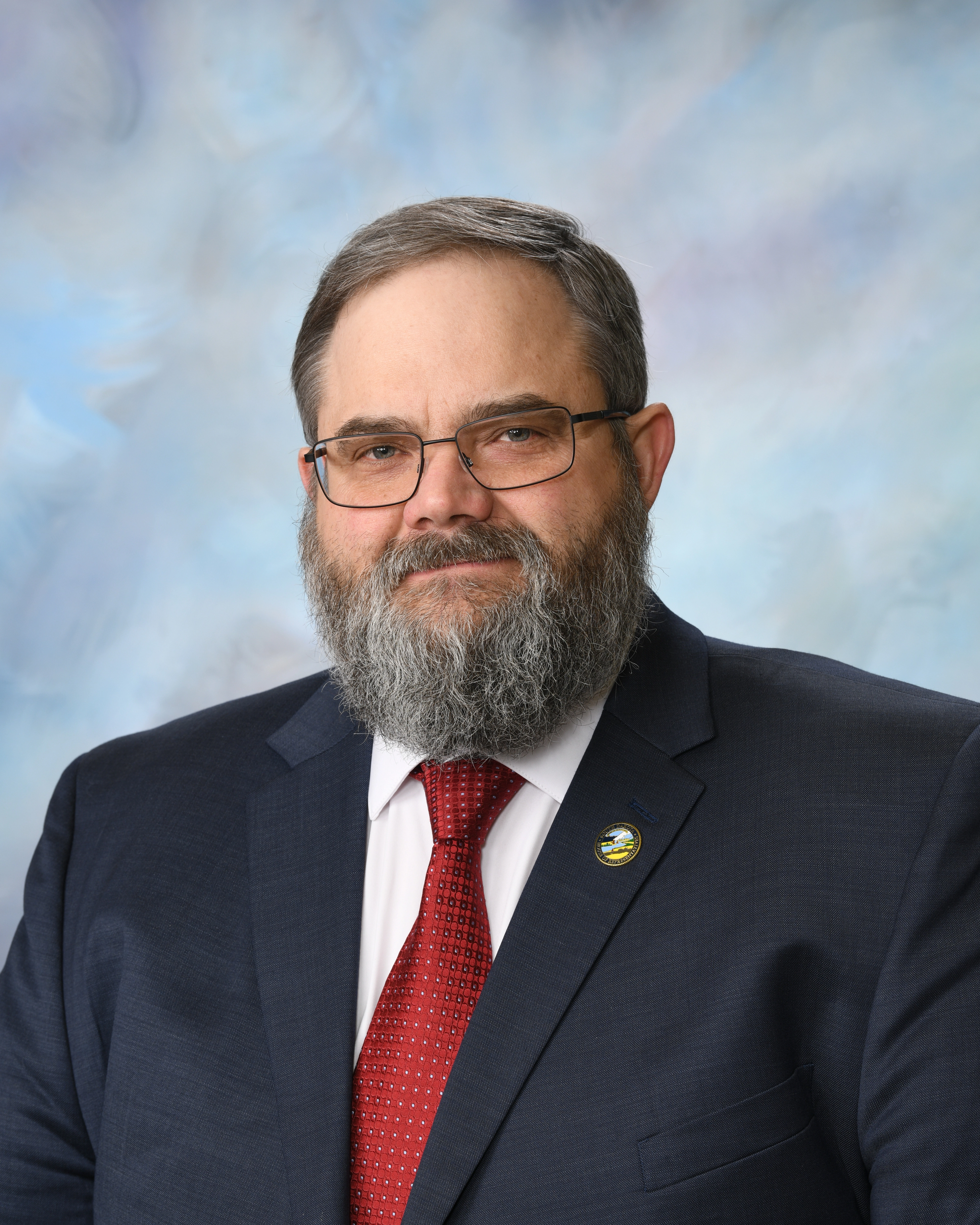
Rep. Travis Ismay
Sponsored bills
Maddy summaryHB 1315 would allow South Dakota voters to initiate a recall of local elected officials or individuals appointed to fill vacancies in their offices. To trigger a recall, a petition requiring signatures from 15% of registered voters in the official's jurisdiction (based on the prior general election) must be filed, along with specific grounds for removal such as crime, incompetence, or misconduct. If the petition meets requirements, a special election must be held within 60 days to decide removal, with the official allowed to remain on the ballot unless they request otherwise. The bill does not apply to officials subject to impeachment under the state constitution.
Maddy summaryHB 1321 requires county treasurers to calculate excise tax on used vehicles sold by private individuals (not licensed dealers) using the amount listed on the bill of sale, rather than the vehicle's retail value from a dealer guide. It directly affects private sellers and buyers of used vehicles, as well as county tax offices responsible for collecting the tax. The bill mandates that both parties submit a bill of sale to the treasurer; if missing, tax is assessed based on the dealer guide value. This change replaces the previous default method for private sales, ensuring tax is calculated from the actual transaction amount documented on the bill of sale.
Maddy summarySB 189 creates an automatic refund process for agricultural assessments on specific crops and livestock. It directly affects growers who pay mandatory assessments on wheat, oilseeds (like canola), corn, livestock, and pulse crops (such as peas). The key change replaces the current system - where growers must apply for individual refunds within 60 days of each assessment - with a new annual electronic process. Under this bill, growers can submit one online request by December 31 to receive refunds for all assessments paid during the upcoming year, eliminating the need for separate applications per transaction. The bill modifies existing refund procedures across multiple agricultural chapters (wheat, oilseeds, corn, livestock, pulse crops) to implement this streamlined system.
Maddy summaryHB 1031 revises South Dakota's rape offense definitions and increases penalties, primarily affecting victims under 13 and perpetrators convicted of sexual crimes against minors. It adds new circumstances to rape definitions (e.g., victim incapacity due to intoxication) and establishes a 15-year minimum sentence for first offenses involving victims under 13. The bill also removes the statute of limitations for rape cases involving victims under 13 or using force/coercion, allowing charges to be filed until the victim turns 25. These changes directly impact criminal sentencing for sexual offenses and extend legal accountability for certain victims.
Maddy summarySB 166 requires county commissioners and planning commissions in South Dakota to either hold meetings after 6:00 p.m. on weekdays or provide recordings of meetings to the public. Recordings must be made freely available on a publicly accessible platform within 24 hours of the meeting. The bill applies directly to county-level government bodies responsible for local planning and zoning decisions, ensuring greater public access to their proceedings. It amends existing statutes governing meeting schedules for these commissions.
Maddy summaryHB 1170 requires South Dakota's Department of Public Safety to make the state's organ donation registry accessible online 24/7, allowing registered donors or authorized individuals to verify their status anytime. It directly affects South Dakotans who are organ donors or considering donation, as well as organ procurement organizations and donation agencies that need to access registry information. The bill mandates that the registry must allow online registration, amendment, revocation, and verification of donor status, while ensuring personally identifiable information is protected and only used for determining donation status near death. This change streamlines access to the registry without altering the underlying donation process or eligibility rules.
Maddy summaryThis South Dakota House Concurrent Resolution (HCR 6009) urges Congress to repeal the federal estate tax. It directly affects farm and ranch families and generational family businesses, as their assets (like land and equipment) are often hard to sell quickly to pay the tax. The resolution highlights that the tax can force heirs to downsize or sell operations to cover payments, rather than allowing them to maintain family assets. The resolution is a formal request to Congress, not a law, and does not change existing tax policy.
Maddy summaryHB 1203 (South Dakota) exempts active volunteer firefighters from certain motor vehicle license fees. It allows qualifying residents to apply for a fee exemption on one noncommercial vehicle (car, truck, or van) by submitting a fire department chief’s certification confirming their active volunteer status. The exemption must be renewed annually and does not cover excise tax on vehicle purchases or specialty plate costs. This directly affects South Dakota volunteer firefighters seeking to reduce vehicle registration expenses.
Maddy summaryHB 1116 prohibits video streaming services (like Netflix or Disney+) from showing ads about abortion, alcohol, drugs, gambling, gender identity, nicotine, or sexual behavior during programming designed for children under 16. The law defines "children's programming" as content for under-16s and targets streaming services directly, excluding traditional broadcasters. Violations could result in a civil penalty of up to $5,000, collected by the attorney general and deposited into the state general fund. This bill directly affects streaming platforms that offer content for young audiences and changes advertising rules during those programs.