

Maddy summaryHB 1037 exempts active-duty members of the U.S. armed forces and veterans (discharged under conditions other than dishonorable) from paying resident fishing license fees in South Dakota. The bill adds a new provision to state law requiring the Game, Fish and Parks Commission to waive these fees for eligible individuals. This change directly affects military personnel and veterans who reside in South Dakota and purchase resident fishing licenses. The exemption applies to all resident fishing license fees mandated under existing state law.
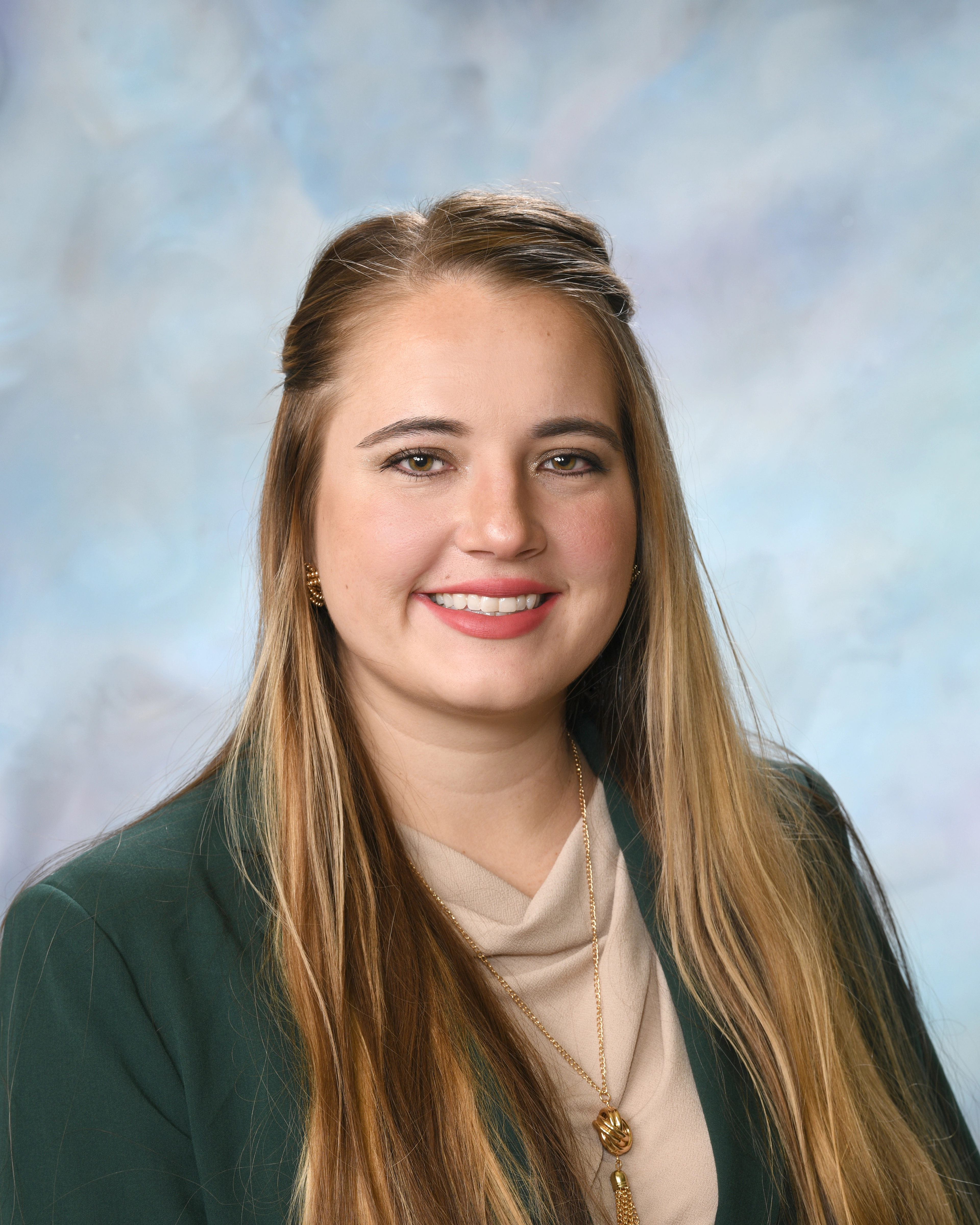
Rep. Jana Hunt
Sponsored bills
Maddy summaryHB 1032 eliminates a 10% cap on how much unused property tax revenue authority counties and municipalities in South Dakota can accumulate from prior years. Currently, local governments could only use up to the prior three years' total of unused tax revenue calculations or 10% of the tax base, whichever was lower. The bill removes the 10% limit, allowing local governments to utilize all accumulated unused tax revenue authority without this restriction. This directly affects South Dakota counties and municipalities that collect property taxes, changing how they calculate annual tax revenue limits. The change modifies specific sections of state tax law (§ 10-13-35.4 and § 10-13-35.5) to remove the percentage cap.
Maddy summaryHB 1070 expands South Dakota retailers' permitted days to sell fireworks to residents. It adds two new sales periods: May 1-June 26 and July 6-August 31 (plus December 28-January 1), requiring retailers to pay a $1,000 license fee for each period. Retailers west of the Missouri River must provide customers with fire safety laws and a fire protection district map for most sales. Violating these rules could result in a Class 1 misdemeanor charge. The bill directly affects retailers seeking to sell fireworks and residents gaining extended access to purchase them.
Maddy summaryThis bill prohibits individuals convicted of certain rape offenses from receiving a suspended imposition of sentence in South Dakota. The measure directly affects defendants charged with specific sexual assault crimes by removing a sentencing option that would allow them to avoid jail time. Under the new provisions, judges would no longer be able to suspend the imposition of sentence for these offenses, requiring immediate sentencing instead. This change applies to both new and pending cases involving the specified rape charges.
Maddy summaryHB 1071 modifies the practice criteria for physician assistants in South Dakota by updating the rules governing their scope of practice. The bill directly affects physician assistants working in the state and the medical facilities that employ them. Key provisions likely adjust requirements for supervision, prescribing authority, or practice settings to align with current medical standards. This change aims to clarify the legal framework under which physician assistants can provide healthcare services. The legislation does not specify exact modifications without access to the full text, but it focuses on regulatory updates rather than creating new programs.
Maddy summarySB 115 proposes to update South Dakota law regarding sexual contact with minors under the age of eighteen. The bill directly affects individuals who may be charged with such offenses and legal professionals handling related cases. It revises specific provisions to clarify or modify how sexual contact with children is defined or prosecuted under state statutes. The legislation aims to ensure the legal framework accurately reflects current standards for protecting minors from sexual exploitation.
Maddy summaryThis bill prevents healthcare providers in South Dakota from blocking parents or guardians from accessing their minor children's medical records and health information. It requires providers to allow authorized adults to view and obtain copies of these records without needing additional consent from the minor. The law applies to doctors, hospitals, and other medical facilities treating minors, ensuring families can review health data related to their children. This change aims to improve family involvement in healthcare decisions for minors by removing barriers to information access.
Maddy summaryHB 1222 expands the conditions under which individuals in South Dakota may carry, possess, and store concealed firearms. The bill modifies existing laws to allow more people to legally carry concealed pistols in locations where they were previously restricted, such as certain public buildings and private properties. Key provisions likely include removing specific prohibitions or adding exceptions to the list of places where concealed carry is not permitted. This change directly affects law-abiding citizens who wish to carry concealed weapons and property owners who may have previously been able to prohibit such carry on their premises. The legislation aims to clarify and broaden the scope of concealed carry rights without altering the fundamental requirement for a valid permit.
Maddy summarySB 70 modifies the maximum sparsity benefit that sparse school districts in South Dakota are eligible to receive. The bill directly affects school districts classified as sparse, which are typically rural areas with low student population density. By adjusting the financial support limits, the legislation changes how much funding these districts can access to offset the higher costs of operating in low-density areas. This adjustment aims to align the benefit structure with updated criteria for sparsity classification without altering other aspects of school funding.
Maddy summaryThis bill allows individuals who need language assistance to have an interpreter present during the driving portion of their driver's license exam in South Dakota. It directly affects applicants for driver's licenses who may not speak English fluently and require support to understand exam instructions and demonstrate driving skills. The key provision permits licensed interpreters to accompany these applicants throughout the practical driving test to facilitate communication. This change aims to ensure fair access to licensing for non-English speakers without altering the standards or procedures of the driving examination itself.