

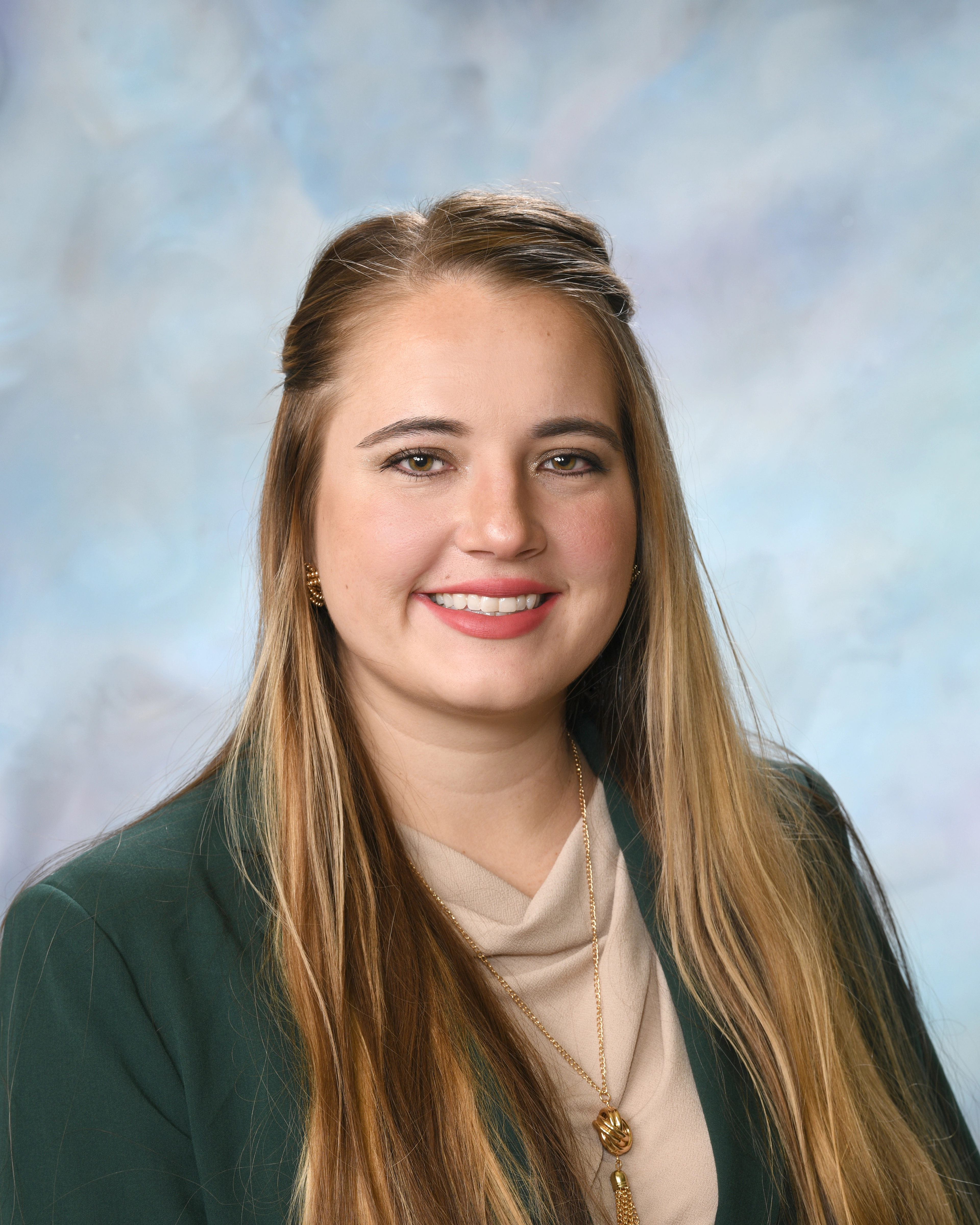
Maddy summaryHB 1243 requires all South Dakota public schools to display the state motto, "Under God the People Rule," in a prominent location like an entryway or cafeteria. Schools may use a mounted plaque, student artwork, or other approved form chosen by the principal. The bill also mandates that the state Attorney General provide free legal representation and cover related costs - including damages, fees, and expenses - for school districts, employees, or board members facing lawsuits over displaying the motto. This applies to both the state motto and the national motto when displayed per this law.
Rep. Jana Hunt
Sponsored bills
Maddy summaryHB 1116 prohibits video streaming services (like Netflix or Disney+) from showing ads about abortion, alcohol, drugs, gambling, gender identity, nicotine, or sexual behavior during programming designed for children under 16. The law defines "children's programming" as content for under-16s and targets streaming services directly, excluding traditional broadcasters. Violations could result in a civil penalty of up to $5,000, collected by the attorney general and deposited into the state general fund. This bill directly affects streaming platforms that offer content for young audiences and changes advertising rules during those programs.
Maddy summaryHB 1024 modifies requirements for ambulance operators in South Dakota by establishing new certification standards. It mandates that ambulance operators must be at least 18 years old, hold a valid driver's license, and meet one of three criteria: be licensed as emergency medical services personnel under Chapter 36-4B, be a law enforcement officer, or complete approved CPR training and a 16-hour emergency vehicle operator course. The bill also requires ambulance services to maintain documentation of these qualifications and provide it to the state upon request. These changes directly affect ambulance operators and ambulance services statewide, updating existing requirements under Chapter 36-4B and related statutes.
Maddy summaryThis bill (HB 1023) allows registered nurses (RNs) and licensed practical nurses (LPNs) to serve on ambulance crews in South Dakota under specific conditions. It requires nurses to demonstrate competence in emergency care skills to medical or program directors before working on ambulances, and mandates that their care must stay within their license scope and be supervised. The bill also provides liability protection for RNs and LPNs for routine ambulance care, shielding them from most civil lawsuits unless the care involved gross negligence or willful misconduct. This directly affects ambulance services seeking to employ nurses and the nurses themselves who wish to provide emergency care on ambulances.
Maddy summarySB 112 would recognize physical gold and silver coins (specie) as legal tender in South Dakota starting July 1, 2027. It allows private parties to use gold/silver for mutual debt payments and state/local governments to accept them for taxes/fees if they agree, though no one must accept them except by mutual agreement or through authorized electronic payment systems. The bill establishes definitions for "bullion depository" (secure storage for gold/silver) and "electronic payment system" (digital platforms backed by physical bullion), requiring the state treasurer to set rules for these systems. It directly affects residents, businesses, and government entities by adding gold/silver as an optional payment method under specific conditions. The state treasurer would designate storage facilities and authorize payment systems to enable transactions using physical gold/silver.
Maddy summaryHCR 6008 is a South Dakota resolution requesting the Attorney General to sue China, the Chinese Communist Party, and a Wuhan lab for $100 billion in damages related to the pandemic's origin. It directly affects South Dakota residents who suffered pandemic-related losses like medical costs, business closures, or income loss. The resolution proposes creating a state fund to distribute up to $250,000 per person to affected residents using any damages secured through the lawsuit. This is a procedural request to the Attorney General, not a binding law.
Maddy summaryHB 1124 makes it a felony to enter or remain within 1,000 feet of a place of worship with intent to disrupt services, harass attendees, or intimidate through political means. Violators face a Class 5 felony charge. The bill defines "place of worship" as any building regularly used for religious activities, identifiable by design, signs, or features. This law directly affects individuals who intentionally trespass near religious sites with the prohibited intentions.
Maddy summaryHB 1094 (South Dakota House Bill 1094) clarifies that consent for organ donation does not automatically cover the donation of ovum (eggs) or sperm. The bill requires individuals to give explicit, separate consent specifically for ovum or sperm donation - distinct from organ donation consent. This directly affects potential donors and medical facilities handling reproductive tissue donations. The key provision amends state law to ensure clear, affirmative permission is obtained for gamete donation before any retrieval occurs.
Maddy summarySB 103 states that individuals present at shooting ranges assume all inherent risks that are obvious, including injuries from noise, discharges, equipment malfunctions (not owned by the range), terrain variations, weather conditions, or natural obstacles like rocks or debris. It directly affects anyone visiting public or private shooting ranges, including those operated by law enforcement. The bill defines "shooting range" broadly to cover all facilities using firearms or archery for activities like skeet or trap shooting. This legal assumption of risk limits liability for range operators regarding these specific, inherent dangers.
Maddy summaryThis bill proposes a constitutional amendment to remove South Dakota's legal requirement to provide expanded Medicaid coverage. It specifically targets Section 10 of Article XXI, which currently mandates that the state provide Medicaid benefits to adults aged 18-65 with incomes at or below 133% of the federal poverty level. If approved by voters, the amendment would eliminate this constitutional obligation, allowing the state to potentially modify or discontinue the expanded eligibility rules. The change directly affects low-income South Dakota adults who currently qualify under the existing Medicaid expansion.