

Maddy summaryThis bill (SB 148) ends state funding for bounties paid to control wildlife that preys on bird nests. Specifically, it amends two laws (§ 40-36-9 and § 41-2-35) to prohibit using state funds from the Game, Fish and Parks department or animal damage control fund for bounties on animals like badgers, raccoons, skunks, or foxes when the purpose is nest predation control. The change directly affects how the Department of Game, Fish and Parks allocates its budget, stopping a specific funding mechanism for wildlife management. It does not alter wildlife management practices or create new programs - only removes authorization for this type of bounty payment.
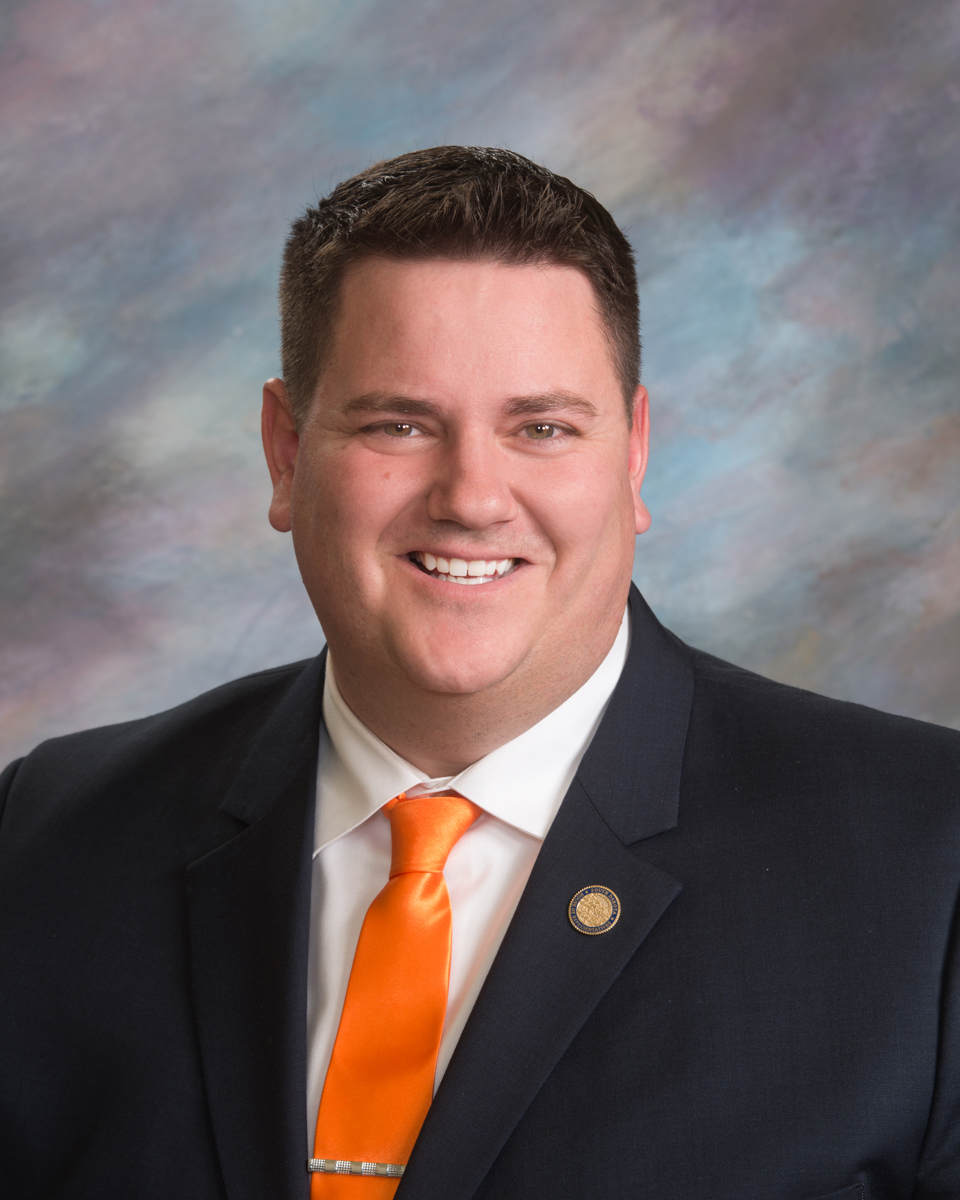
Rep. Spencer Gosch
Sponsored bills
Maddy summaryHB 1031 revises South Dakota's rape offense definitions and increases penalties, primarily affecting victims under 13 and perpetrators convicted of sexual crimes against minors. It adds new circumstances to rape definitions (e.g., victim incapacity due to intoxication) and establishes a 15-year minimum sentence for first offenses involving victims under 13. The bill also removes the statute of limitations for rape cases involving victims under 13 or using force/coercion, allowing charges to be filed until the victim turns 25. These changes directly impact criminal sentencing for sexual offenses and extend legal accountability for certain victims.
Maddy summaryHB 1290 amends South Dakota's education funding law by updating how school districts calculate their fall enrollment for state aid. It specifies that nonresident students in state care (e.g., foster care) must be included in enrollment counts, while students in residential treatment facilities must be excluded. The bill also revises the formula for determining the "teacher ratio factor," setting fixed ratios (12 for districts under 200 students, 15 for districts over 600 students) or a calculation-based ratio for medium-sized districts. These changes directly affect all public school districts in South Dakota receiving state aid for general education.
Maddy summaryHB 1291 amends South Dakota's formula for calculating school district funding by changing how "fall enrollment" is determined. It specifically adjusts the count of students in state custody (like foster care) and those receiving tuition from other districts when calculating a district's base funding. The bill also updates the method for calculating "target teacher ratio" based on district size and ties future teacher salary adjustments to the consumer price index (inflation). These changes directly affect how much state funding school districts receive under South Dakota's education finance system.
Maddy summaryHB 1226 authorizes South Dakota county commissioners to create written policies for investigating misconduct by county employees, departments, or officers. The bill requires these policies to cover specific misconduct types (like abuse of authority, conflicts of interest, or neglect of duty), mandate at least one outside investigator for complaints, and include confidentiality and due process standards. County boards must also ensure policies follow existing procedures for removing officers. This directly affects county government operations and employee accountability. The bill does not change existing misconduct definitions but sets procedural requirements for local investigations.
Maddy summaryHB 1004 authorizes voters to remove county commissioners through a recall process. It requires petitions signed by 15% of district voters or 5% of county voters (based on the last general election), with signatures valid only within 60 days of filing. The petition must state specific grounds for removal, such as corruption, incompetence, or misconduct, and triggers a special election within 60 days to replace the commissioner. This bill directly affects county commissioners and voters in South Dakota counties, establishing a new procedure for their removal.
Maddy summaryHB 1078 requires South Dakota's Board of Education to amend administrative rules by September 2026 to update high school graduation coursework requirements. The bill mandates specific credit counts: 4 units of language arts (including writing, speech, and American literature), 3 social studies units (U.S. history and government), 3 math units (including Algebra I), 3 science units (including biology), plus required courses in personal finance, fine arts, physical education, health, and electives. It allows substitutions for one science credit using approved advanced computer science or agriculture science courses (but not for biology), and permits up to one fine arts credit through extracurricular activities with documented alignment to state standards. This directly affects all South Dakota public high school students and school districts implementing graduation standards.
Maddy summarySB 92 requires the director of the Legislative Research Council and the secretary of state to review citizen-initiated measures to determine if they cover more than one subject. This provision adds a formal review step to ensure that ballot measures adhere to single-subject requirements before they can be placed on the ballot. The bill directly affects the administrative process for evaluating proposed laws initiated by voters in South Dakota. It does not change the content of the measures themselves but establishes a procedural check on their scope and organization.
Maddy summaryThis bill modifies the rules for how citizens can gather signatures to propose new laws or constitutional changes in South Dakota. It directly affects voters and petition organizers by updating the specific requirements they must meet to submit these measures for consideration. The key provision involves revising the standards for collecting and validating signatures needed to place a measure on the ballot. This change aims to streamline the process for initiating legislative or constitutional amendments through the public petition system.
Maddy summarySB 100 would modify South Dakota law to allow individuals to carry concealed firearms and other self-defense items on the campuses of public higher education institutions. The bill directly affects students, faculty, and staff at public colleges and universities within the state by changing current restrictions on carrying weapons in these locations. Key provisions would require public institutions to update their policies to permit concealed carry, provided the individual holds a valid permit and meets existing state requirements. The legislation aims to align campus security policies with broader state laws regarding firearm possession and self-defense.