

Maddy summaryHB 1072 allocates $20.6 million in state and federal funds to provide South Dakota state employees with a payment equal to 1.5% of their January 1, 2026 salary. Starting July 1, 2026, each active state employee as of that date will receive this amount monthly in 12 equal installments. The payment applies only to employees still working at the time of each monthly disbursement, meaning no payments are made to those who left state employment before a payment date. The funds must be expended by June 30, 2027, with unused amounts reverting to the state.
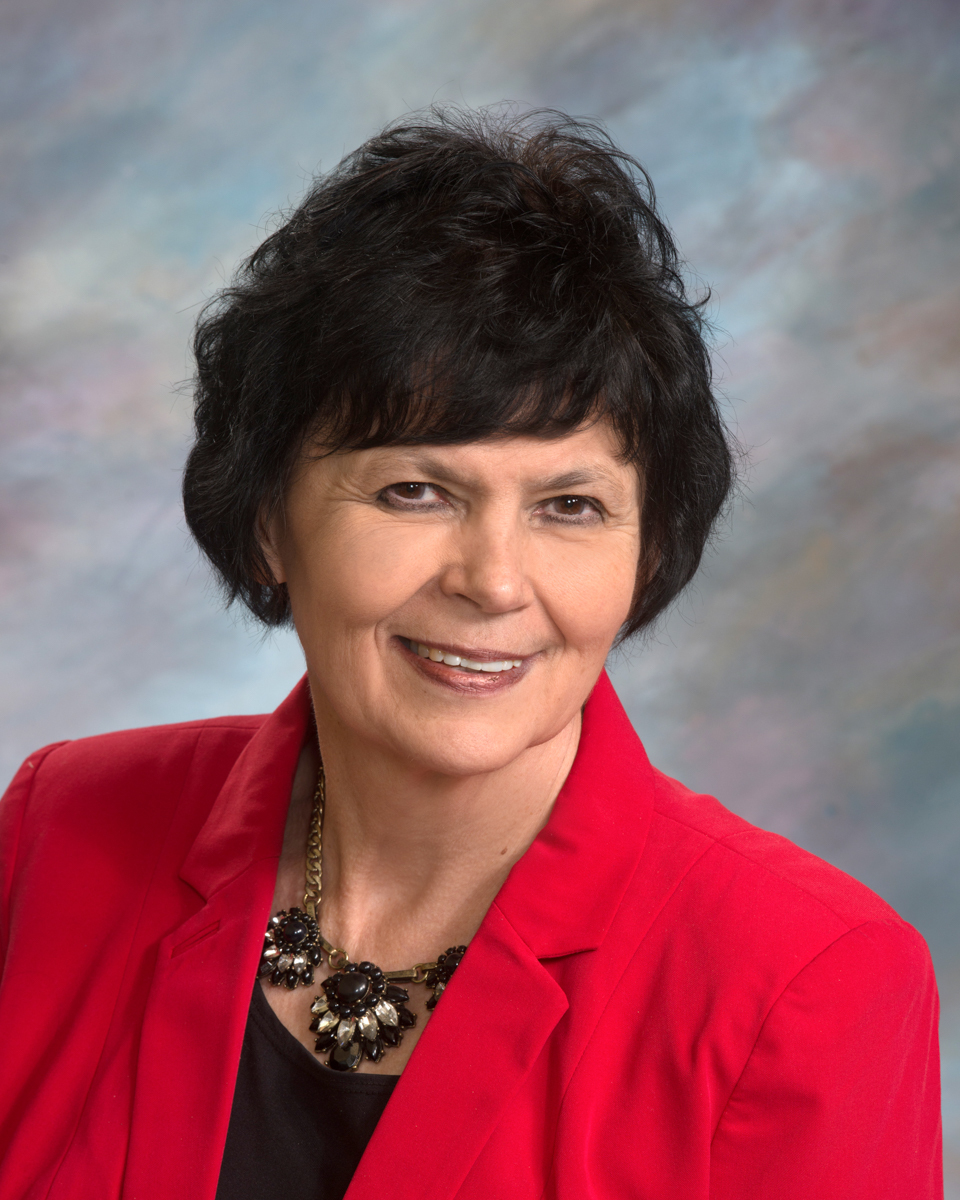
Rep. Lana Greenfield
Sponsored bills
Maddy summaryHC 8011 is a symbolic legislative resolution honoring Greg Blue for 35 years of service on the Iroquois School District Board of Education. It commends him for his dedication to students, staff, and the community, recognizing his receipt of the Associated School Boards of South Dakota's Distinguished Service Award. This procedural resolution has no policy impact or direct effect on laws or regulations; it solely expresses the legislature's appreciation through formal words of recognition.
Maddy summaryThis bill is a ceremonial resolution honoring Brad Olson for his 25 years of service on the Aberdeen School District Board of Education. It commends him for his dedication to students, staff, and the community, recognizing his receipt of the Associated School Boards of South Dakota's Distinguished Service Award. As a commemorative resolution, it has no legal effect and does not create new policies or affect any group beyond honoring the individual named.
Maddy summaryThis bill (HC 8010) is a ceremonial resolution commending James Hanssen for his 40 years of service on the Bridgewater-Emery School District Board of Education. It formally honors him for his dedication to students, staff, and the community, recognizing his receipt of the Associated School Boards of South Dakota's Distinguished Service Award. The resolution has no policy impact or funding requirements; it solely serves to publicly acknowledge his service through legislative recognition. It directly affects only James Hanssen, who is being honored for his specific contributions to the school district.
Maddy summarySB 167 requires South Dakota school districts to administer annual academic assessments to all 11th-grade students. It adds new provisions allowing each 11th grader, in consultation with a guidance counselor, to select from a state-approved list of assessments that measure academic progress, align with state standards, and accommodate diverse post-graduation pathways. The South Dakota Board of Education must approve these assessments annually by May 1st and provide the approved list to schools. This replaces the previous requirement that all 11th graders take a single mandated test, giving students more choice within state-approved options.
Maddy summaryThis bill (SC 806) is a non-binding legislative commemoration honoring four South Dakota school administrators for their service: David Olson (Meade Middle School Principal), Kendra Becker (Redfield Secondary School Principal), Richie Hutchinson (Sioux Falls Assistant Middle School Principal), and Kay Bass (Harrisburg Assistant Secondary School Principal). It recognizes their combined 88 years of dedication to education, peer-elected "Outstanding School Administrator" status for 2025-2026, and their commitment to improving educational opportunities. The resolution formally names them as official representatives of South Dakota School Administrators. This is purely ceremonial and does not create new laws or affect policies.
Maddy summaryThis bill is a ceremonial resolution honoring seven South Dakota school administrators for their service. It commends Dr. Jeff Danielsen (Watertown Superintendent), Bo Beck (Aberdeen Middle School Principal), Connie Alspach (Dupree School Business Official), Jay Swatek (Tea Elementary Principal), Kelly Messmer (Harding County Secondary Principal), Sherri Nelson (Brandon Valley Curriculum Leader), and Monica Waltman (Douglas Director of Special Education). The resolution recognizes their combined 197 years of service and dedication to education. It does not create new laws or policies - it solely provides formal recognition through a legislative commendation.
Maddy summaryThis ceremonial resolution (SCR 602) celebrates South Dakota's 42-year sister-state relationship with Taiwan, established in 1984. It highlights specific trade ties, including a 2025 agricultural mission visit and a wheat purchase agreement between South Dakota and Taiwan. The resolution expresses support for strengthening trade relations, academic exchanges, the U.S.-Taiwan tax agreement, and Taiwan's participation in international organizations. As a symbolic gesture, it does not create new laws or policies but formally recognizes the partnership.
Maddy summarySB 95 requires medical cannabis cardholders (both residents and nonresidents) to show their registry card or card number to law enforcement upon request. This provision applies if an officer asks for identification during a lawful interaction. The bill does not change existing protections for medical cannabis use but adds this identification requirement as a condition to avoid arrest under Chapter 23A-3. It directly affects individuals with valid medical cannabis cards who interact with police. The law amends existing statutes (§ 34-20G-2 and § 34-20G-3) to include this requirement.
Maddy summaryHB 1152 requires South Dakota's Department of Education to apply to the U.S. Department of Education for authority to create a new assessment system. If approved, the state must develop and implement an assessment model that meets specific federal requirements, including measuring student growth in reading and math, aligning with existing academic standards, using science-based literacy practices, and reinforcing foundational math skills. The bill directly affects South Dakota public schools and the Department of Education, mandating consultation with educators and parents during development. This change would replace current state assessment practices with a federally approved system starting January 1, 2026.