

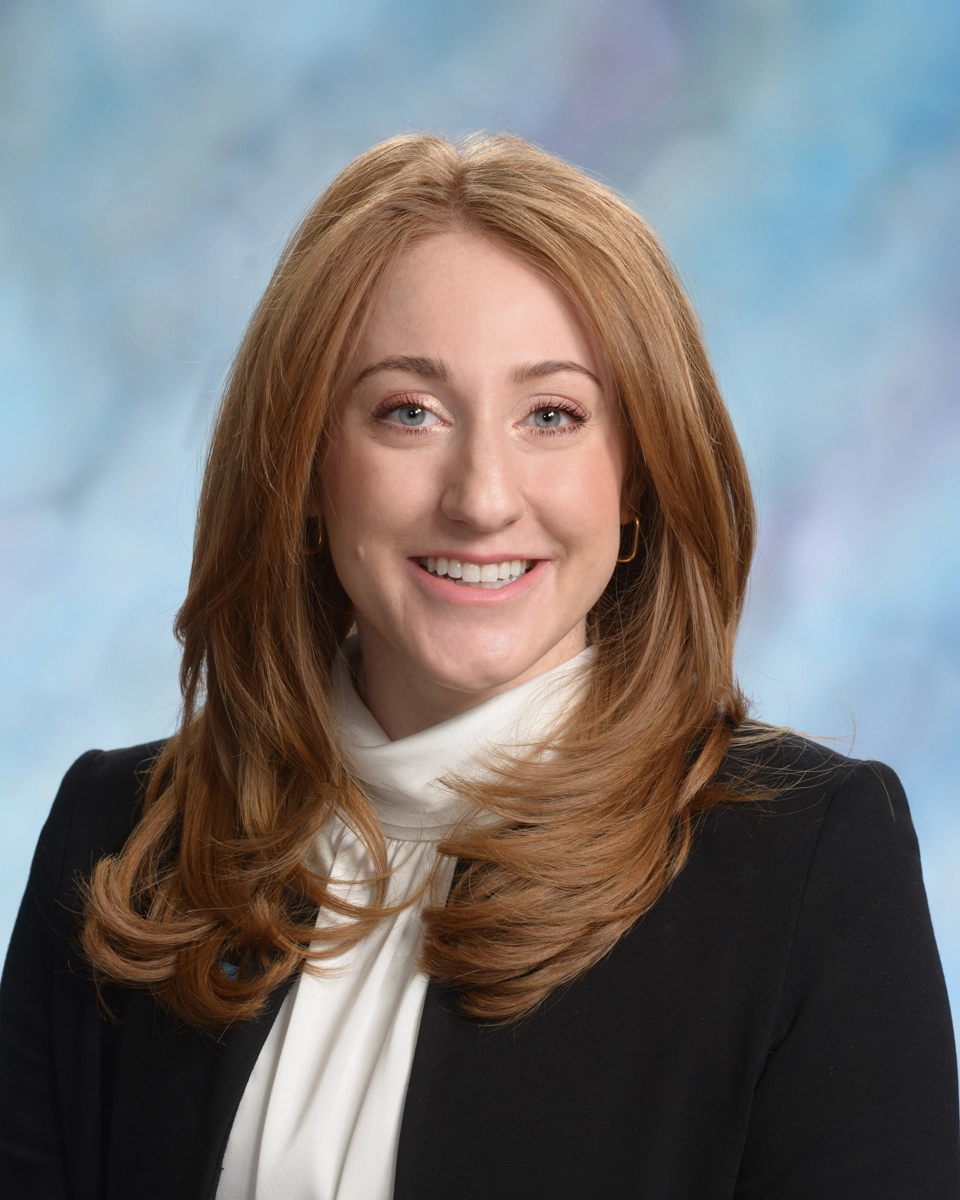
Maddy summaryHB 1097 appropriates $2 million from South Dakota's general fund to the Department of Corrections for a grant to a nonprofit delivering juvenile diversion programming in Sioux Falls. The nonprofit must provide an annual week-long summer camp for sixth graders identified by school resource officers (starting in 2026 for 10 years), along with three follow-up events per year involving participants, families, and law enforcement. The grant requires the nonprofit to report annual outcome measures to a special committee and includes a requirement for police and sheriff's office participation in all program activities. The funds are disbursed yearly starting in 2026, with unspent amounts reverting by June 2036.
Rep. Kadyn Wittman
Sponsored bills
Maddy summaryThis bill (SB 148) ends state funding for bounties paid to control wildlife that preys on bird nests. Specifically, it amends two laws (§ 40-36-9 and § 41-2-35) to prohibit using state funds from the Game, Fish and Parks department or animal damage control fund for bounties on animals like badgers, raccoons, skunks, or foxes when the purpose is nest predation control. The change directly affects how the Department of Game, Fish and Parks allocates its budget, stopping a specific funding mechanism for wildlife management. It does not alter wildlife management practices or create new programs - only removes authorization for this type of bounty payment.
Maddy summaryThis House Concurrent Resolution (HCR 6012) is a symbolic gesture honoring the YMCA's 175th anniversary of service across the United States and in South Dakota. It recognizes the YMCA's historical contributions, including founding basketball, providing childcare, and serving over 17 million people annually through programs for youth, families, and communities. The resolution specifically acknowledges South Dakota's YMCA chapters, which serve nearly the entire state with 1,274 staff and 1,000 volunteers. The bill does not create new laws or alter policies; it solely expresses legislative appreciation for the YMCA's community impact.
Maddy summaryHB 1216 updates South Dakota's list of professionals required to report suspected child abuse or neglect. It adds "religious healing practitioner" and "safety-sensitive position" (as defined in another law) to the existing list, which already includes doctors, teachers, social workers, and clergy. The bill also clarifies that confidentiality protections (like those for medical or therapy records) cannot be used to avoid legal consequences when reporting abuse under these statutes. This directly affects the new categories of professionals and religious practitioners who must now report suspected cases, while removing legal barriers to using such reports in court.
Maddy summaryHB 1192 allows parole consideration for inmates sentenced to life imprisonment without parole who were aged 18-26 at the time of their offense (excluding first-degree rape). It requires the parole board to review cases after 25 years of incarceration, with mandatory initial hearings within six months of eligibility. The board must consider factors like the inmate's youth at the time of crime, rehabilitation efforts, completion of educational programs, victim input, and evidence of maturity. The law applies retroactively to all qualifying inmates sentenced before July 1, 2026. It modifies existing parole eligibility rules by creating a specific pathway for this age group.
Maddy summarySB 140 requires South Dakota correctional facilities to deposit 25% of inmate earnings from prison work into a personal savings account. This savings account cannot be used to pay court fines, fees, or other debts owed by the inmate. Upon release (via parole, suspended sentence, or discharge), the inmate receives the full balance of this savings account. Additionally, any interest earned on these savings must be deposited into the state's crime victims' compensation fund. The bill directly affects incarcerated individuals working in state prisons and modifies how their earnings are handled.
Maddy summaryHB 1190 establishes the South Dakota-Tribal Consultation Commission to create a formal, ongoing process for state-tribal collaboration. The commission, composed of the Governor, tribal relations secretary, one tribal representative per tribe (appointed by tribes), and two legislators, meets quarterly to review state initiatives and receive tribal input. It requires the Governor to report on state actions affecting tribes and submit annual recommendations to the Governor by December 1st. This bill directly affects South Dakota state agencies and the nine federally recognized tribes by mandating structured consultation on state policies impacting tribal communities.
Maddy summaryHB 1214 requires South Dakota courts to consider a defendant's history of abuse as a mitigating factor during sentencing for certain crimes. To qualify, defendants must provide documented evidence (such as court records, hospital reports, or protective orders) proving the abuse was a substantial factor in their offense. If approved, sentences are reduced: life without parole becomes a maximum of 35 years, life with parole becomes a maximum of 30 years, and fixed terms are reduced by at least one-third. The law excludes Class A felonies, sex offenses, and related attempts, and allows retroactive resentencing for cases before July 1, 2026.
Maddy summaryHB 1114 requires South Dakota to submit specific mental health information to the National Instant Criminal Background Check System (NICS) for three groups: individuals acquitted by reason of insanity, those found incompetent to stand trial, and people involuntarily committed as dangers to self or others. The bill mandates that this information be transmitted to NICS within one business day but automatically removed after 18 months. It also requires notifying the affected person or their guardian about both the submission and removal. The law prohibits including diagnosis or treatment details in the reports, focusing solely on identifying information.
Maddy summaryHB 1120 revises South Dakota's DUI laws by lowering the legal blood alcohol limit for commercial drivers to 0.04% (from a higher threshold), maintaining 0.08% as the standard for non-commercial drivers, and setting a 0.02% limit for drivers under 21. It clarifies that 0.08% or higher blood alcohol content presumes impairment and expands prohibitions to include driving under the influence of marijuana or non-prescribed drugs. These changes directly affect commercial drivers, all motorists operating vehicles, and underage drivers. The bill applies to operating vehicles, boats, or aircraft while impaired, with penalties including license suspensions for violations.