Issue · Labor & Employment

Labor & Employment

Every labor & employment bill, vote, and legislator stance in South Dakota, automatically classified by Maddy, our AI policy reader.

Total bills
14
2026 Regular Session
Top supporter
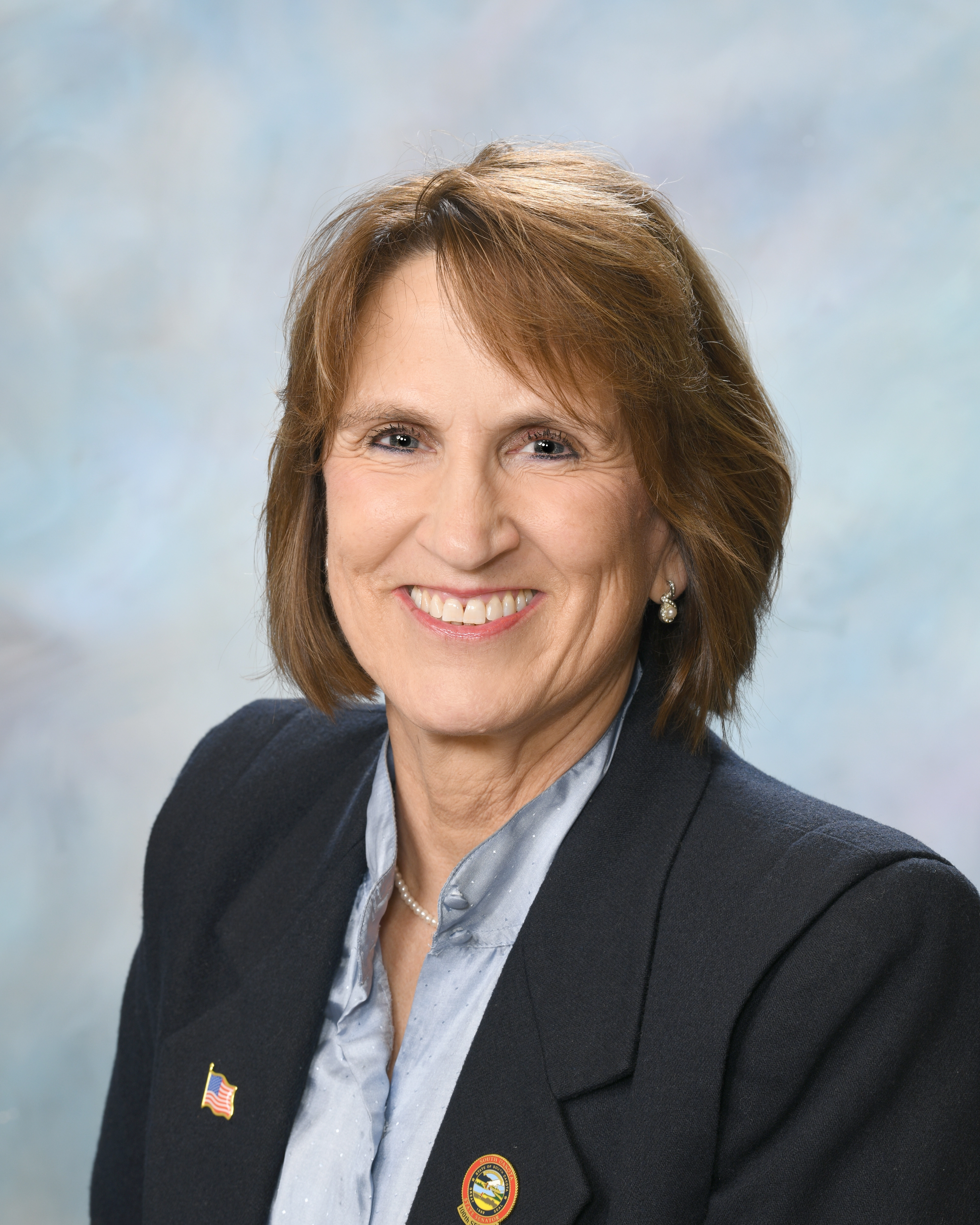
Mary Fitzgerald
100% support rate
Top opponent
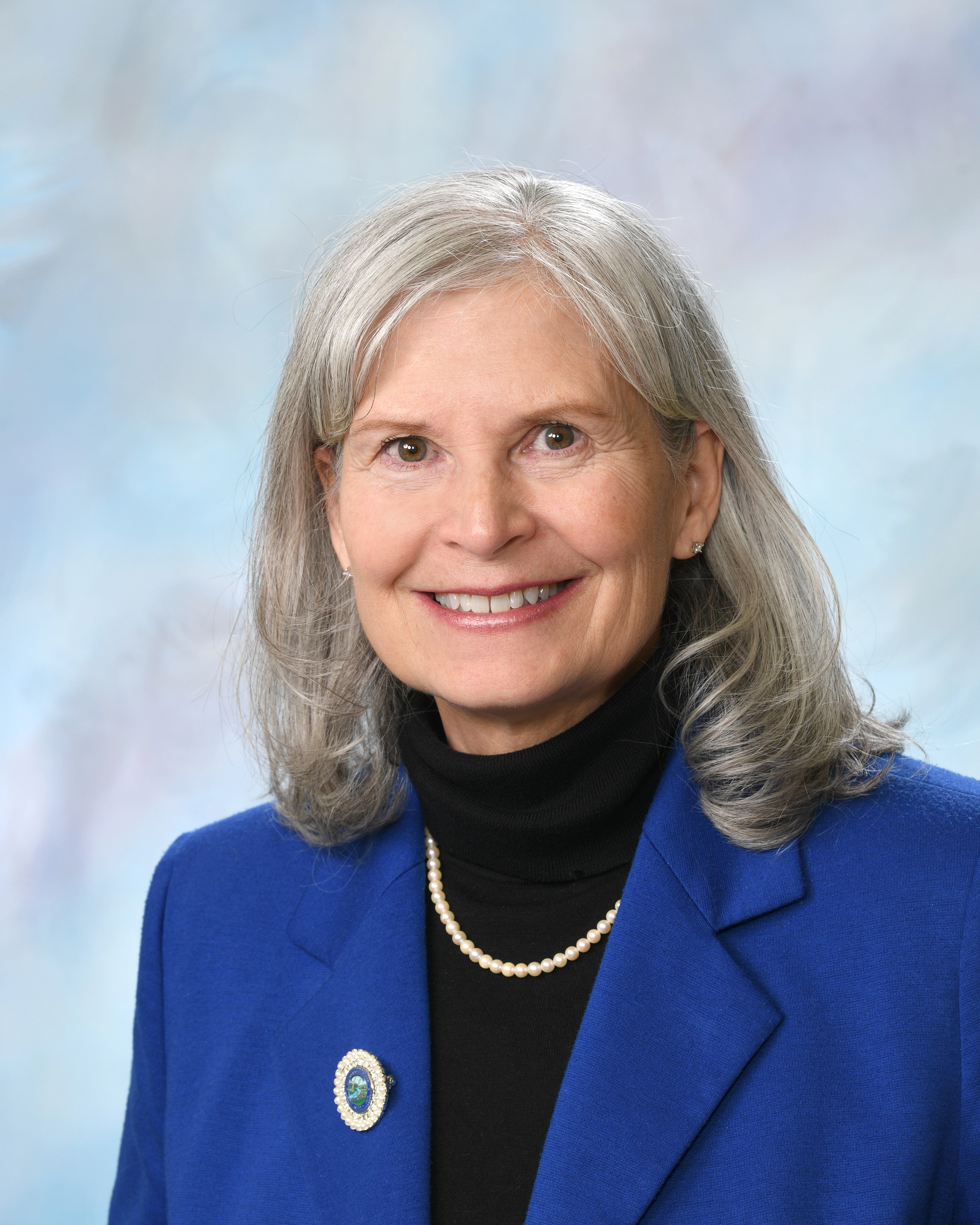
Aaron Aylward
14% support rate
Ranked legislators
10
5 support · 5 oppose
Key legislators

Who's moving labor & employment in South Dakota

Legislators moving labor & employment in South Dakota
Legislator Party Stance Support rate Votes
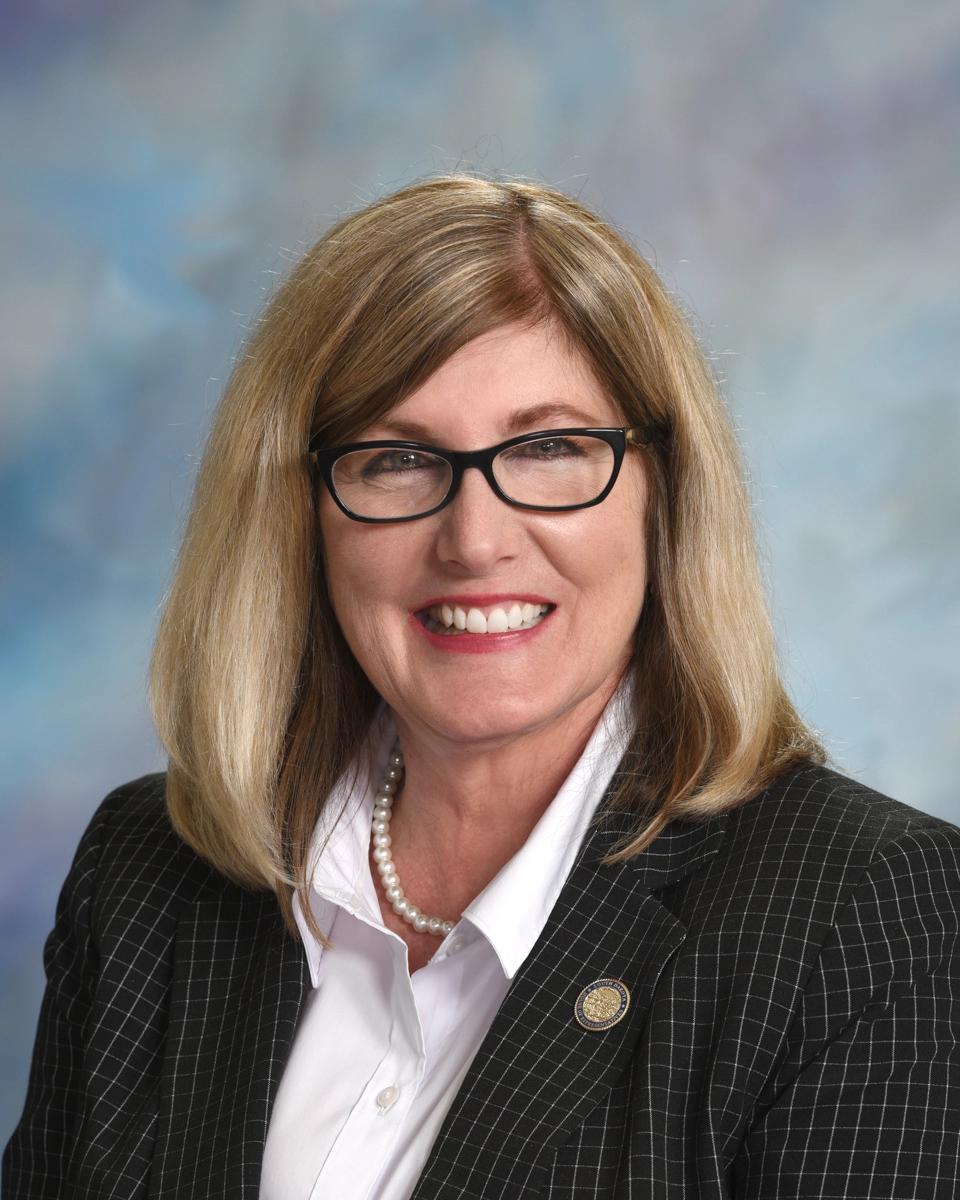
Mary Fitzgerald
Mary Fitzgerald House · District 31
R
Strong +
100% 48
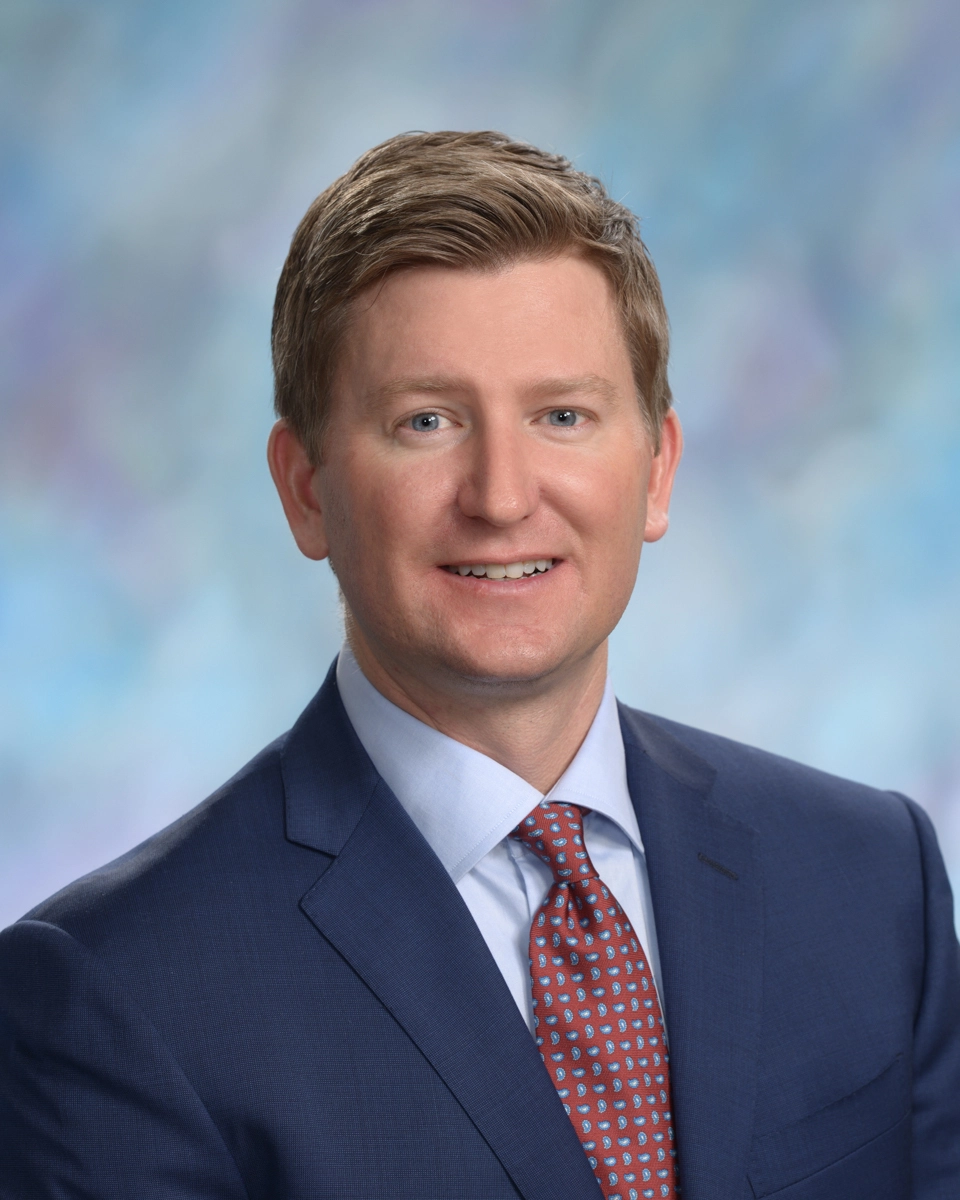
Drew Peterson
Drew Peterson House · District 19
R
Strong +
89% 53
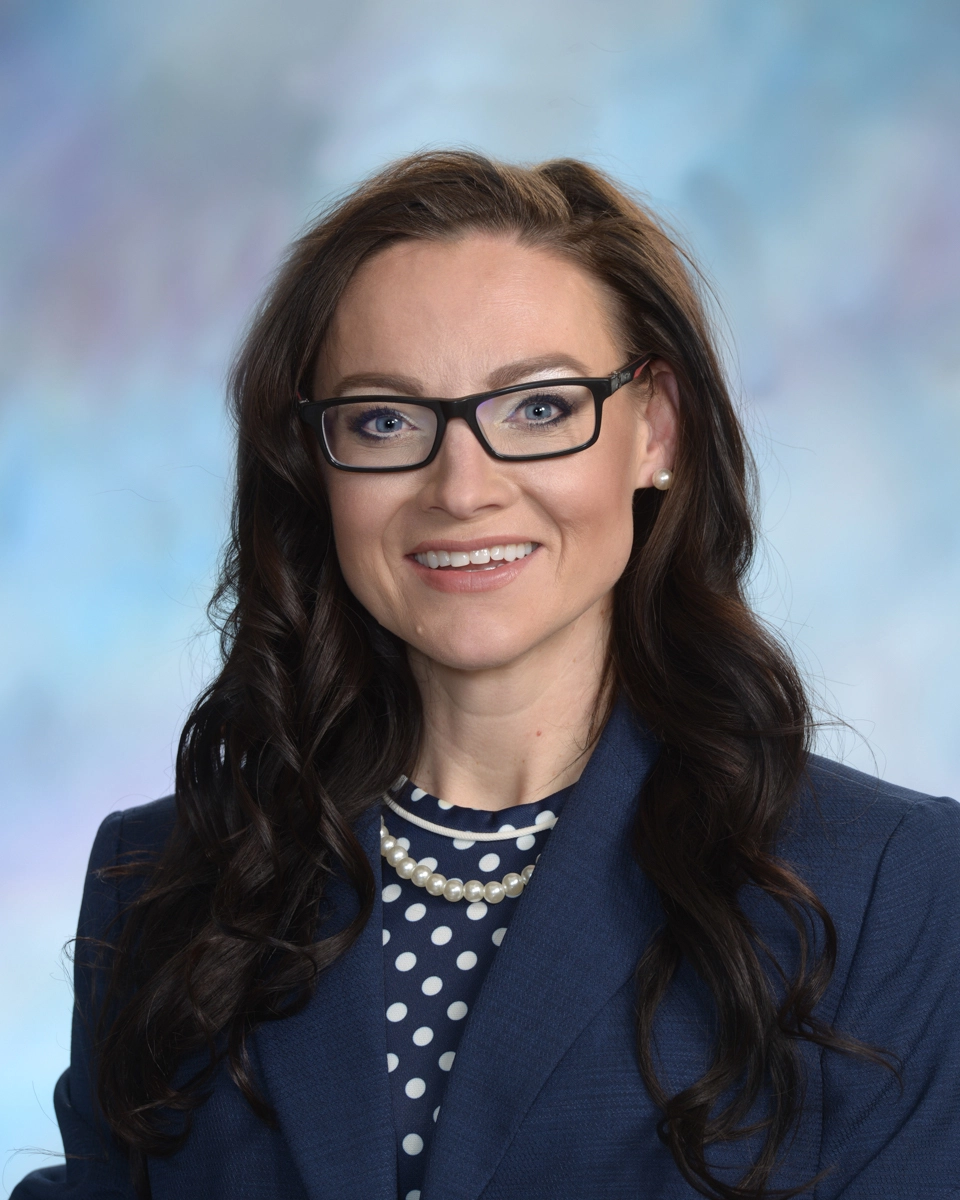
Jessica Bahmuller
Jessica Bahmuller House · District 19
R
Strong +
88% 56
Les Heinemann
Les Heinemann House · District 25
R
Strong +
88% 57
John Hughes
John Hughes House · District 13
R
Strong +
86% 48
Aaron Aylward
Aaron Aylward House · District 6
R
Strong −
14% 44
Tony Randolph
Tony Randolph House · District 35
R
Strong −
14% 47
Sue Peterson
Sue Peterson Senate · District 13
R
Strong −
20% 34
Joy Hohn
Joy Hohn Senate · District 9
R
Strong −
20% 31
Terri Jorgenson
Terri Jorgenson House · District 29
R
Oppose
29% 49
Showing 11–14 of 14 bills

All labor & employment bills

failed · South Dakota · House Feb 20, 2026

HB 1163: prohibit certain persons from requiring genetic-based vaccinations.

HB 1163 prohibits employers, schools, and public accommodations from requiring genetic-based vaccinations (defined as those using mRNA, DNA, or similar genetic technology) as a condition for employment, enrollment, or services. It also bans adverse actions like termination or denial of services based on vaccination status. The bill allows reasonable safety measures like masks or remote work but exempts healthcare facilities under federal rules, existing school vaccine requirements, health science program placements, court-ordered vaccinations, and the National Guard. This directly affects employers, educational institutions, and public service providers in South Dakota.
signed · South Dakota · Senate Mar 30, 2026

SB 136: make an appropriation for grants to support the purchase of personal protective equipment by volunteer fire departments and to declare an emergency.

This bill appropriates $5 million from the general fund to provide grants for volunteer fire departments in South Dakota to purchase safety gear (like helmets and suits) for their firefighters. It specifically targets departments where at least 70% of firefighters volunteer, prioritizing those with the greatest equipment needs. The Department of Public Safety will distribute funds based on application timing and need, with unspent funds reverting by June 2030. An emergency declaration allows the funding to take effect immediately upon passage.
Sub-Topics Appropriations State Budget Tags Public Safety
passed · South Dakota · House Feb 5, 2026

HB 1174: classify 911 telecommunicators as Class B members of the South Dakota Retirement System.

HB 1174 would amend South Dakota's retirement law to include 911 telecommunicators as Class B members of the South Dakota Retirement System. This change directly affects 911 call center workers across the state, granting them the same retirement classification as police officers, firefighters, and other public safety staff. The bill updates the legal definition of "Class B member" in the retirement system statutes to explicitly list 911 telecommunicators alongside existing professions like law enforcement and fire personnel. This is a technical classification change, not a new benefit or funding mechanism.
Tags Public Safety
signed · South Dakota · Senate Mar 9, 2026

SB 153: prohibit certain restrictions in employment contracts for community services providers.

SB 153 prohibits employment contracts from restricting community services providers (who work with individuals with developmental disabilities) from continuing to provide services after their employment ends. It makes contract clauses that block such continued service voidable, effective July 1, 2026. The law allows exceptions for provisions related to selling a practice or reasonable non-solicitation terms that comply with existing rules. This directly affects community services providers in South Dakota, ensuring they can maintain client relationships post-employment without undue contractual barriers.
Showing 11 to 14 of 14 bills