

prohibit certain restrictions in employment contracts for community services providers.
SB 153 prohibits employment contracts from restricting community services providers (who work with individuals with developmental disabilities) from continuing to provide services after their employment ends. It makes contract clauses that block such continued service voidable, effective July 1, 2026. The law allows exceptions for provisions related to selling a practice or reasonable non-solicitation terms that comply with existing rules. This directly affects community services providers in South Dakota, ensuring they can maintain client relationships post-employment without undue contractual barriers.
Bill status
signed
all 4 stages cleared
Introduction
Jan 2026
Committee Review
Feb 2026
Senate Passage
Mar 2026
Signed into Law
Mar 2026
Introduced Jan 29, 2026
Signed Mar 9, 2026
Maddy AI version diff · 1 comparison
What changed between versions
Introduced
→
Enrolled
·
3 edits
·
Feb 26, 2026
MINOR
This document shows the transition of Senate Bill 153 from its original introduction to its enrolled (final) version. The bill prohibits non-compete restrictions in employment contracts for community services providers working with individuals with developmental disabilities. The enrolled version includes the complete legislative text with proper formatting, signatures, and certification marks required for final passage.
Scope change
The bill's scope remains focused on protecting community services providers from restrictive employment contracts, but the enrolled version clarifies the effective date as July 1, 2026, and includes all necessary legislative formalities for the bill to become law.
TIMELINE
The effective date for the new restrictions was changed from July 1, 2023 (for general practitioners) to July 1, 2026 (specifically for community services providers), indicating this provision is a newer addition to the existing law.
ELIGIBILITY
Added specific protection for community services providers working with individuals with developmental disabilities, extending beyond the original scope that only covered general medical practitioners.
TECHNICAL
The document includes all necessary enrolled version formalities including certification signatures, filing dates, and legislative session information that were not present in the initial draft.
Floor votes · Senate Feb 5, 2026
How they voted
32–2
Passed · 1 other
Total votes 35
Feb 5, 2026
D
Democratic3
100% Yea
R
Republican32
90% Yea
Vote distribution
All Yea
All Nay
Mixed
No data
Full legislative history
Actions timeline
Total actions
14
Key actions
8
Committee
3
Mar 9, 2026
Signed into law
Signed by the Governor on 2026-03-09 S.J. 488
executive
Mar 2, 2026
Upper · Passed
Signed by the Speaker H.J. 478
upper
Feb 26, 2026
Upper · Passed
Signed by the President S.J. 416
upper
Feb 25, 2026
Upper · Passed
House of Representatives Do Pass , Passed, YEAS 64, NAYS 0 H.J. 446
upper
Feb 24, 2026
Upper · Passed
Certified uncontested, placed on consent , Passed,
upper
Feb 24, 2026
Upper · Passed
Health and Human Services Do Pass , Passed, YEAS 12, NAYS 0
upper
Feb 9, 2026
Committee
Referred to House Health and Human Services H.J. 262
upper
Feb 5, 2026
Upper · Passed
Senate Do Pass , Passed, YEAS 32, NAYS 2 S.J. 200
upper
Feb 4, 2026
Upper · Passed
Health and Human Services Do Pass , Passed, YEAS 7, NAYS 0 S.J. 10
upper
Jan 29, 2026
Introduced
First read in Senate and referred to Senate Health and Human Services S.J. 139
upper
4 primary · 0 co-sponsors
Sponsors
Role
Legislator
Party
State
District
P
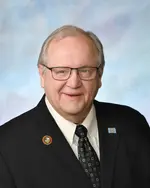
Carl Perry
RRepublican
P

Lauren Nelson
RRepublican
P
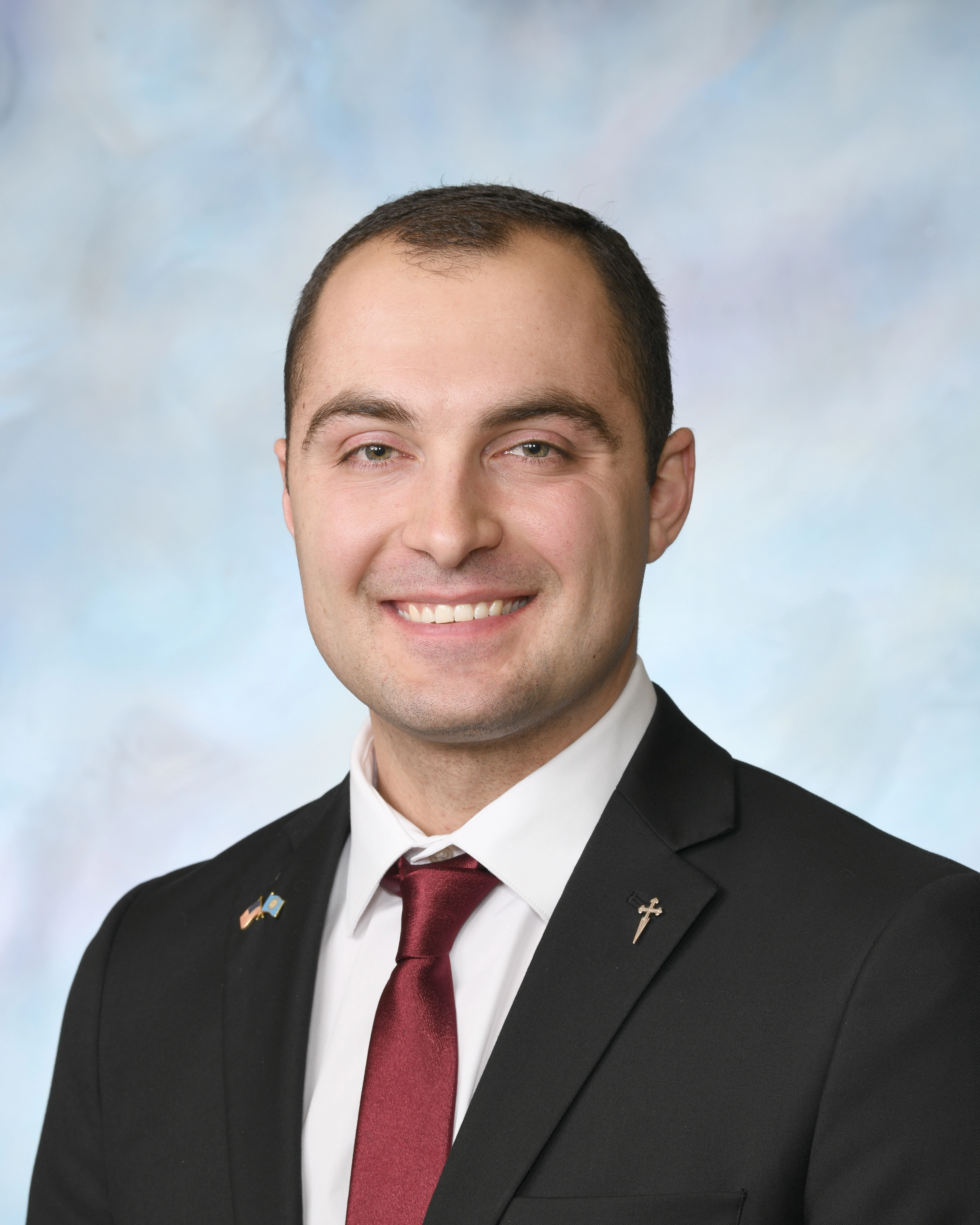
Logan Manhart
RRepublican
P
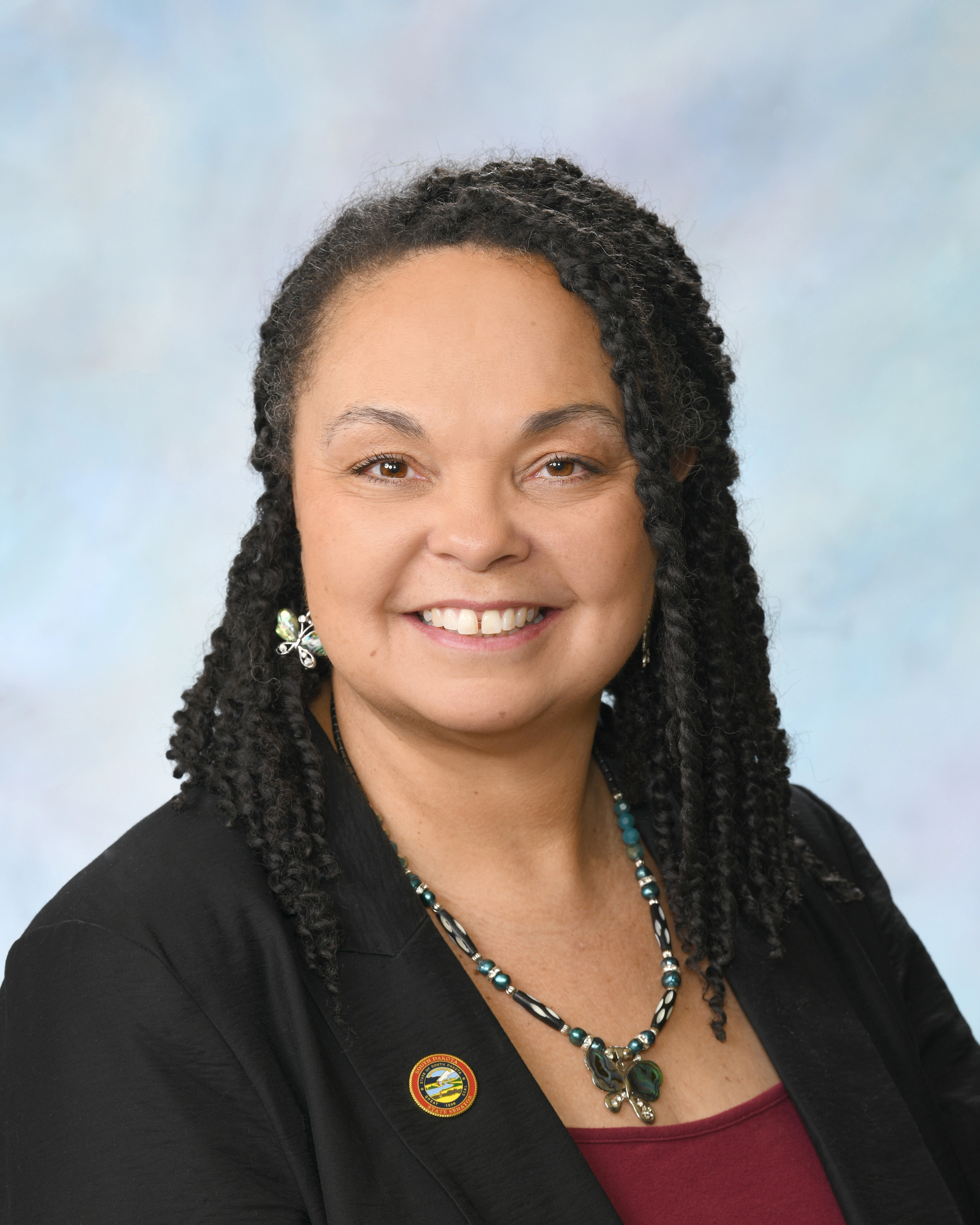
Tamara Grove
RRepublican
Ask Maddy
·
AI policy assistant
Ask Maddy about SB 153
Scope: SD
Hi! I can help you understand SB 153. What would you like to know?
Try one of these
i
Maddy answers using official bill text and legislative records. Always verify before sharing.
Sources cited inline