Issue · Criminal Justice

Criminal Justice (Drug Policy)

Every criminal justice bill, vote, and legislator stance in South Dakota, automatically classified by Maddy, our AI policy reader.

Total bills
4
2026 Regular Session
Top supporter
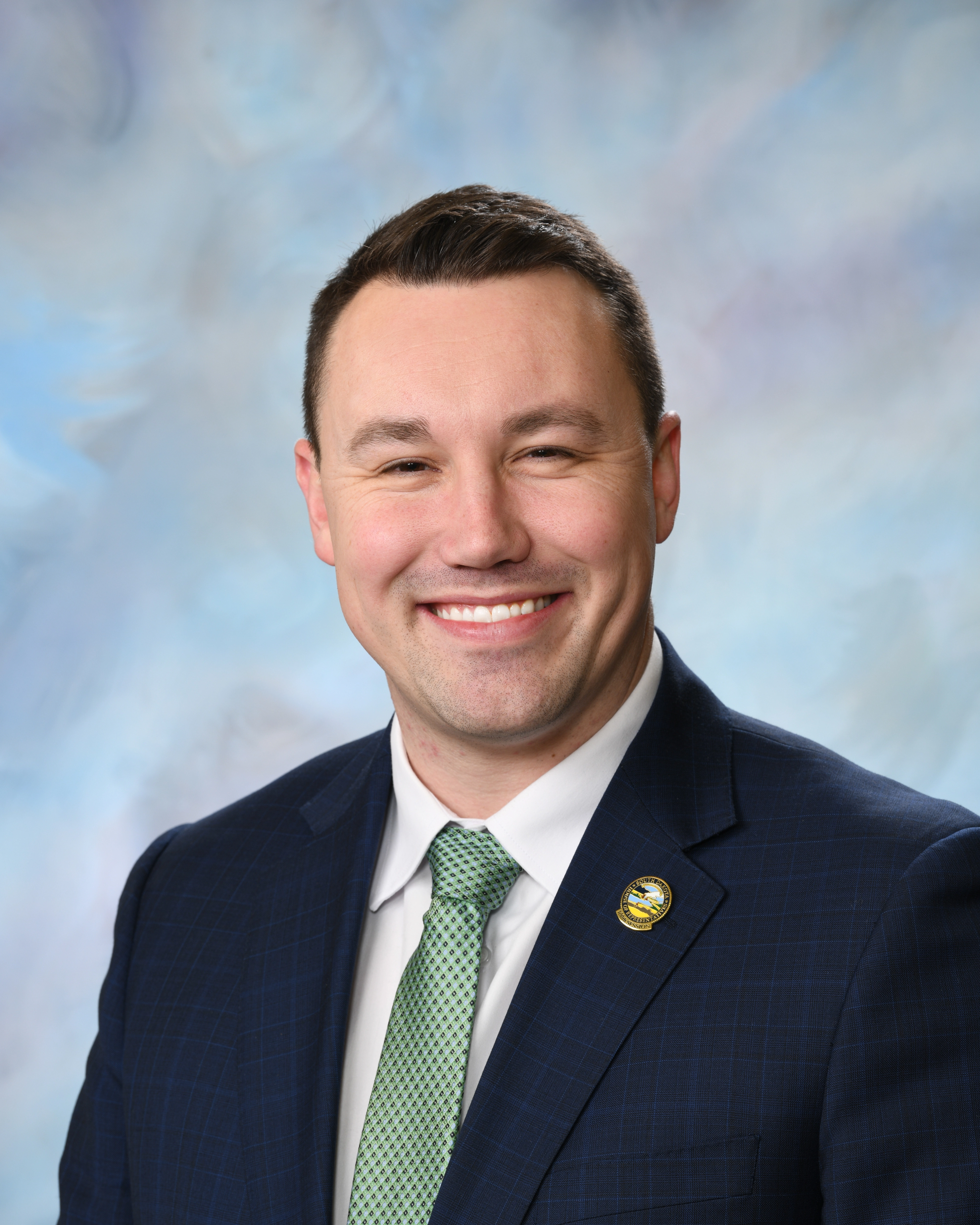
Erik Muckey
100% support rate
Top opponent
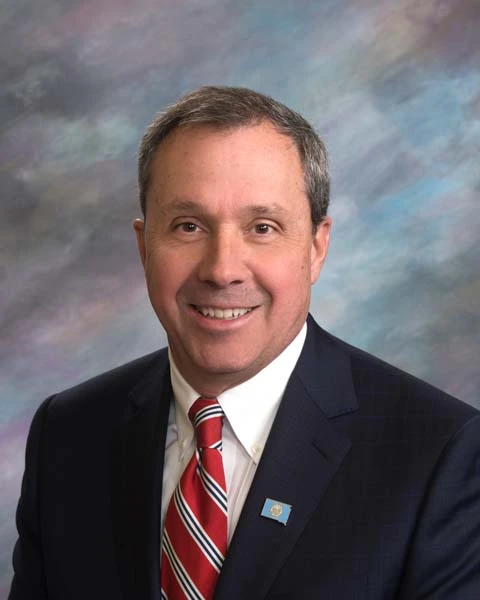
Tamara Grove
0% support rate
Ranked legislators
10
5 support · 5 oppose
Key legislators

Who's moving drug policy in South Dakota

Legislators moving drug policy in South Dakota
Legislator Party Stance Support rate Decisive votes
Erik Muckey
Erik Muckey House · District 15
D
Strong +
100% 3
Aaron Aylward
Aaron Aylward House · District 6
R
Support
75% 4
Al Novstrup
Al Novstrup House · District 3
R
Support
75% 4
Kadyn Wittman
Kadyn Wittman House · District 15
D
Support
75% 4
Kaley Nolz
Kaley Nolz House · District 20
R
Support
75% 4
Tamara Grove
Tamara Grove Senate · District 26
R
Strong −
0% 3
Heather Baxter
Heather Baxter House · District 34
R
Strong −
17% 6
Les Heinemann
Les Heinemann House · District 25
R
Strong −
17% 6
Greg Jamison
Greg Jamison House · District 12
R
Oppose
25% 4
Lana Greenfield
Lana Greenfield House · District 22
R
Oppose
25% 4
Showing 4 of 4 bills

All criminal justice bills

signed · South Dakota · House Mar 9, 2026

HB 1162: add certain substances to Schedule I of the controlled substances schedule.

HB 1162 adds 59 specific substances - including synthetic opioids like "W-18" and "butonitazene," as well as compounds such as "methiopropamine" - to South Dakota's Schedule I controlled substances list. This means these substances are now classified as having no medical use and a high potential for abuse under state law. The bill directly affects anyone in South Dakota who possesses, distributes, or uses these listed substances, making such actions illegal without specific exemptions. The key mechanism is the explicit inclusion of these chemical compounds (including isomers and salts) into Schedule I, closing potential legal gaps for enforcement.
Sub-Topics Drug Policy
signed · South Dakota · Senate Mar 30, 2026

SB 45: revise a provision regulating delta-8 tetrahydrocannabinol, THC-O acetate, and hexahydrocannabinol for persons under the age of twenty-one and to provide a penalty therefor.

SB 45 prohibits the sale, distribution, or possession of specific cannabis products (including delta-8 THC, THC-O acetate, and hexahydrocannabinol) to individuals under 21 years old. It makes it a Class 6 felony to sell or distribute these products to minors, and a Class 2 misdemeanor for minors to possess or consume them, or for adults (other than parents/guardians) to provide them to minors. The law directly affects retailers, minors under 21, and adults who might supply these products to underage individuals. Penalties are clearly defined based on the specific violation.
Sub-Topics Drug Policy
failed · South Dakota · House Feb 17, 2026

HB 1151: ban kratom and kratom products and to provide a penalty therefor.

HB 1151 bans kratom and kratom products in South Dakota, making it a Class 2 misdemeanor to sell, distribute, purchase, consume, or possess them. It specifically prohibits sales or use by anyone under 21 (except by parents/guardians), and requires strict labeling for products that remain legal, including serving sizes, alkaloid content, and health warnings. The bill also prohibits products containing over 2% 7-hydroxymitragynine, synthetic compounds, or harmful additives. This directly affects consumers, businesses selling kratom, and retailers who must comply with new labeling rules.
Sub-Topics Drug Policy
passed · South Dakota · House Mar 2, 2026

HB 1065: revise the medical purpose affirmative defense in cannabis prosecution.

HB 1065 would require individuals facing cannabis-related charges to possess a registry identification card to use a legal defense claiming they are permitted to possess cannabis. Currently, South Dakota law does not mandate this card for such defenses, but the bill would amend § 34-20G-53 to make it a requirement. This change would directly affect people charged with cannabis offenses who attempt to rely on this specific defense in court. The bill creates a new condition for accessing this defense, requiring the card as a prerequisite for its use.
Sub-Topics Courts Drug Policy