Issue · Criminal Justice

Criminal Justice

Every criminal justice bill, vote, and legislator stance in South Dakota, automatically classified by Maddy, our AI policy reader.

Total bills
38
2026 Regular Session
Top supporter
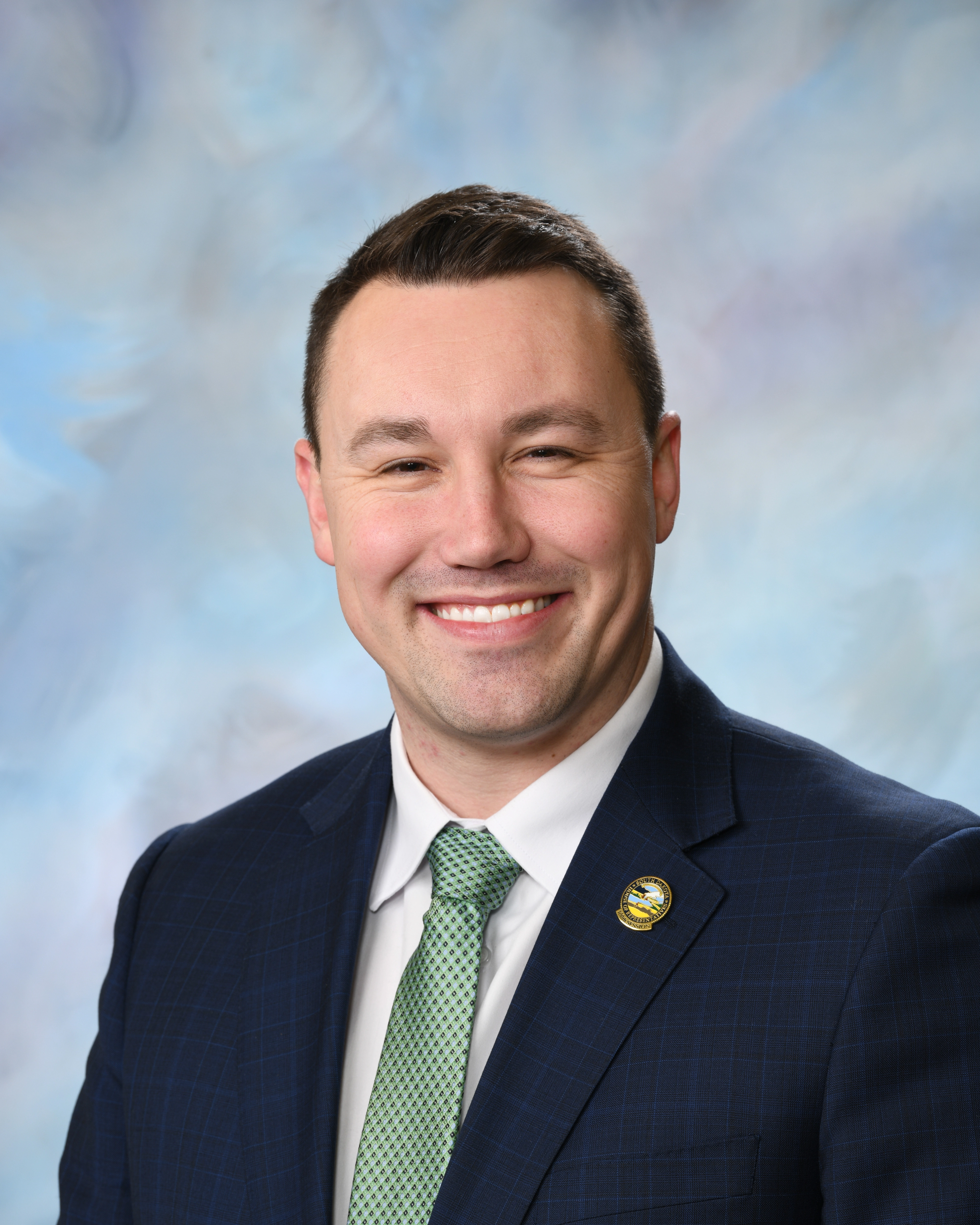
Erik Muckey
95% support rate
Top opponent
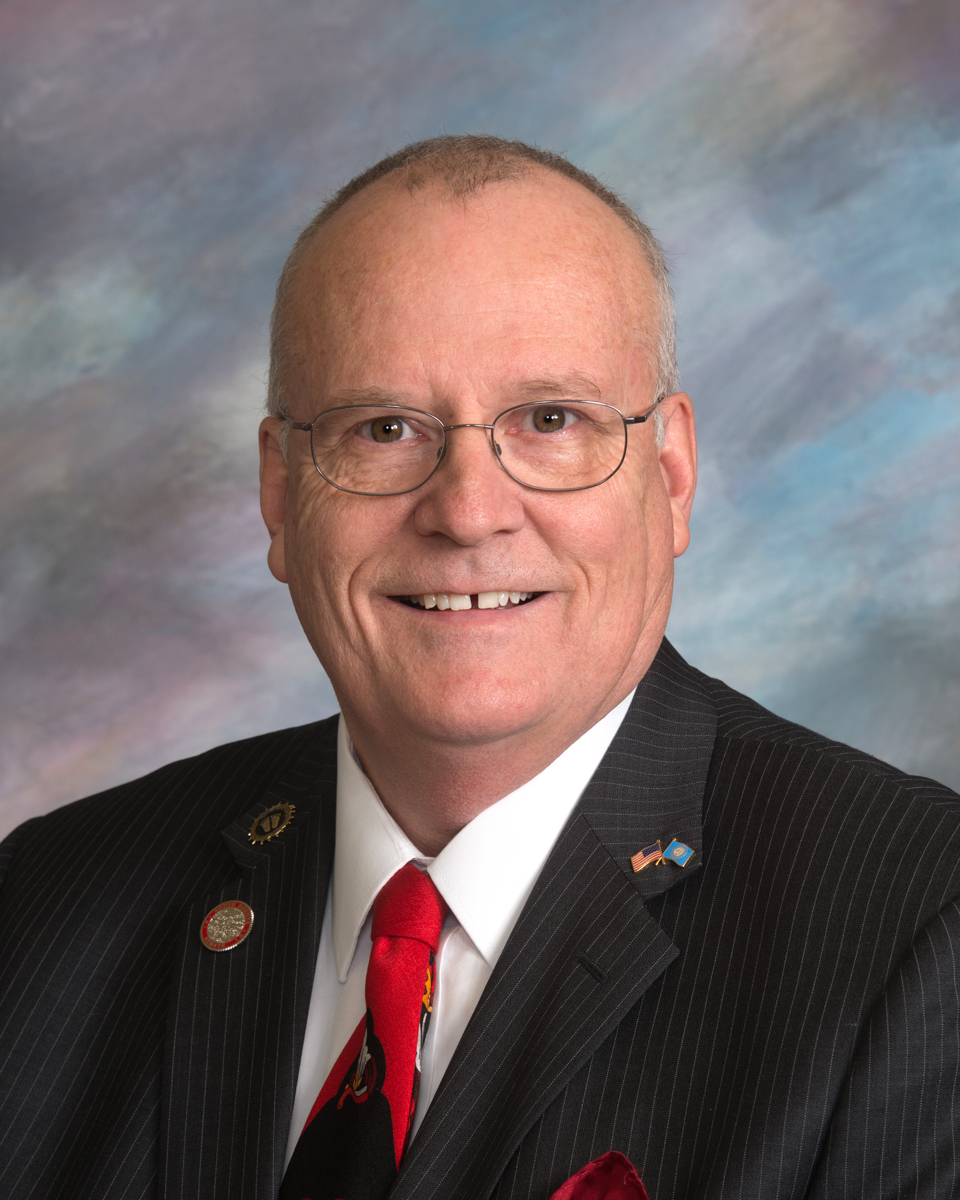
John Carley
21% support rate
Ranked legislators
10
5 support · 5 oppose
Key legislators

Who's moving criminal justice in South Dakota

Legislators moving criminal justice in South Dakota
Legislator Party Stance Support rate Votes
Erik Muckey
Erik Muckey House · District 15
D
Strong +
95% 50
Nicole Uhre-Balk
Nicole Uhre-Balk House · District 32
D
Strong +
88% 51
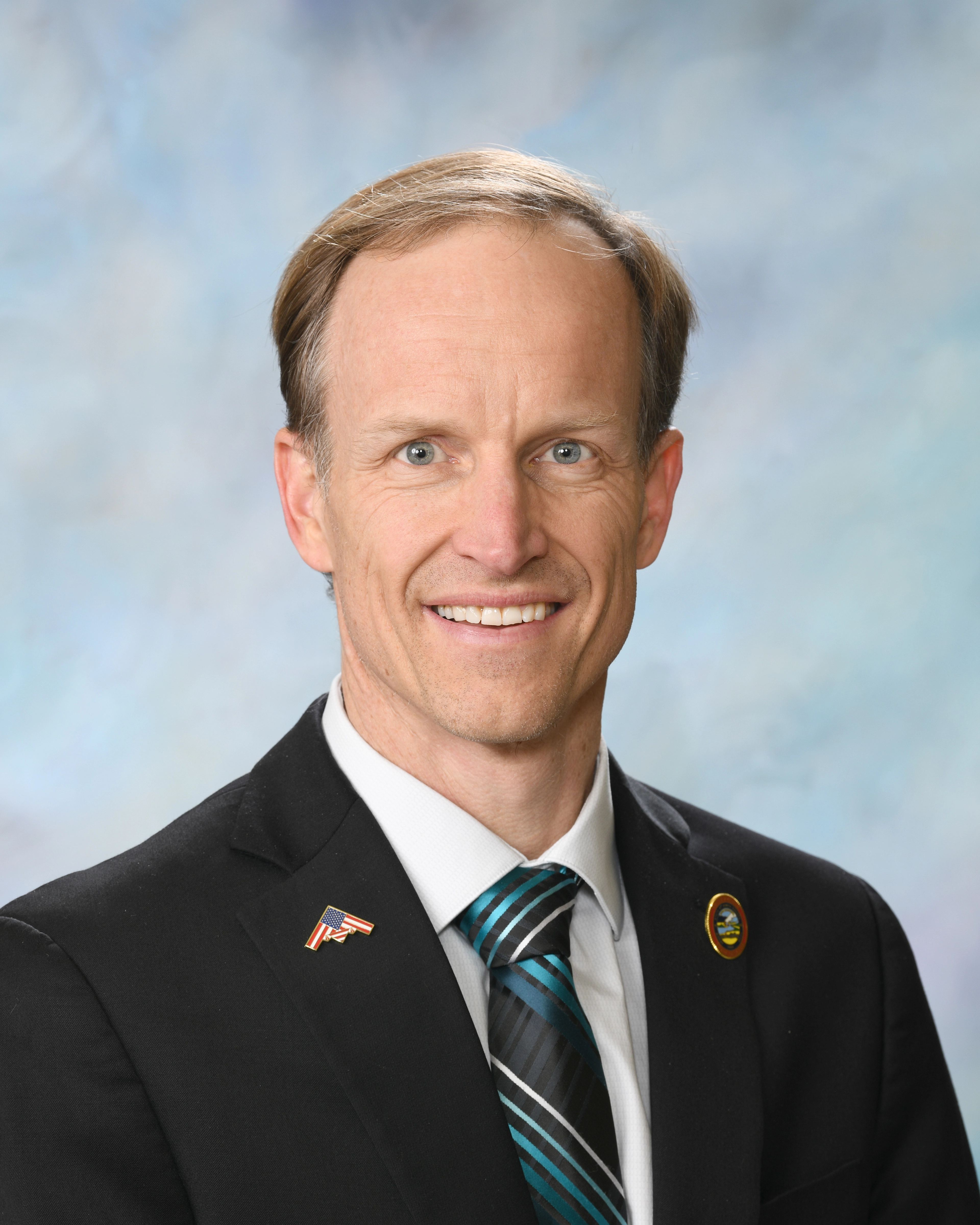
Ernie Otten
Ernie Otten Senate · District 6
R
Strong +
86% 34
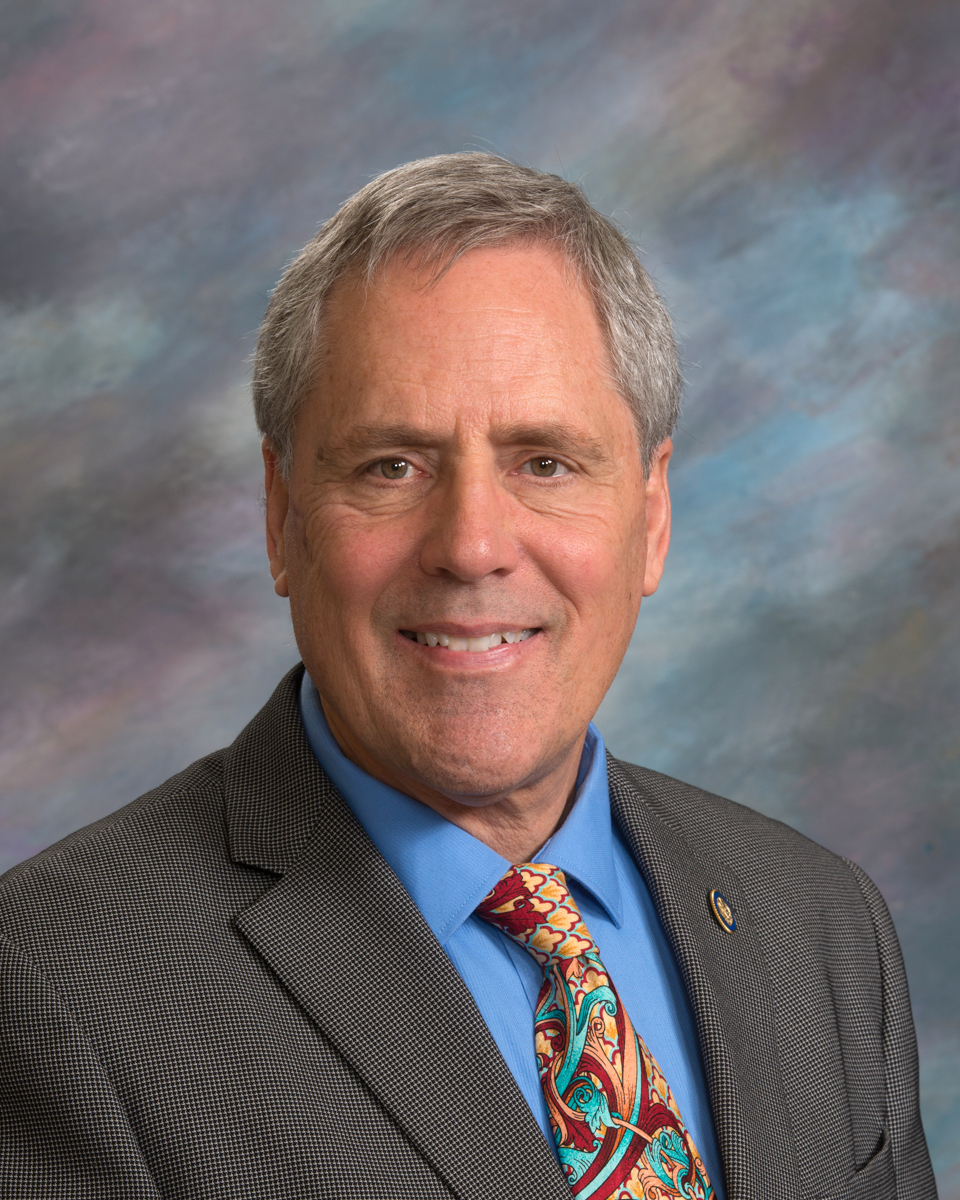
Jack Kolbeck
Jack Kolbeck House · District 13
R
Strong +
85% 51
Erin Healy
Erin Healy House · District 10
D
Strong +
82% 57
John Carley
John Carley Senate · District 29
R
Oppose
21% 34
Taffy Howard
Taffy Howard Senate · District 34
R
Oppose
23% 34
Phil Jensen
Phil Jensen House · District 33
R
Oppose
24% 52
Logan Manhart
Logan Manhart House · District 1
R
Oppose
24% 59
Heather Baxter
Heather Baxter House · District 34
R
Oppose
24% 59
Showing 31–38 of 38 bills

All criminal justice bills

passed · South Dakota · House Feb 5, 2026

HB 1226: authorize boards of county commissioners to adopt policies for investigating allegations of misconduct of county departments, employees, and officers.

HB 1226 authorizes South Dakota county commissioners to create written policies for investigating misconduct by county employees, departments, or officers. The bill requires these policies to cover specific misconduct types (like abuse of authority, conflicts of interest, or neglect of duty), mandate at least one outside investigator for complaints, and include confidentiality and due process standards. County boards must also ensure policies follow existing procedures for removing officers. This directly affects county government operations and employee accountability. The bill does not change existing misconduct definitions but sets procedural requirements for local investigations.
Tags Local Government
failed · South Dakota · House Mar 2, 2026

HB 1086: make an appropriation for providing a grant to a nonprofit that delivers programming to support offenders and correctional staff.

HB 1086 appropriates $2.7 million from the general fund to the South Dakota Department of Corrections for a grant to a nonprofit organization. The nonprofit must provide trauma-informed programming - including leadership development and skills training - to both offenders and correctional staff at three specific state prisons: South Dakota State Penitentiary, Mike Durfee State Prison, and South Dakota Women's Prison. To qualify, the nonprofit must currently operate such programming at a state facility and plan to serve all three prisons, as verified by the Department of Corrections. Unspent funds by June 30, 2031, will revert to the state treasury.
signed · South Dakota · Senate Mar 12, 2026

SB 43: address search and seizure provisions applicable to digital currency.

This bill updates South Dakota's search and seizure laws to explicitly include digital currency as "property" covered by existing warrant procedures. It defines digital currency as value recorded on blockchain or similar distributed ledger technology (e.g., Bitcoin). The change ensures law enforcement must follow standard warrant processes when seeking digital currency, aligning it with how physical property is treated under current law. This directly affects law enforcement investigations involving digital assets and individuals holding such currency.
signed · South Dakota · Senate Mar 30, 2026

SB 44: establish investigative subpoena authority to gather business records in certain investigations.

SB 44 allows South Dakota's Attorney General to obtain business records from internet and telecom providers during criminal investigations of internet crimes against children or human trafficking. It requires judicial approval based on "reasonable cause" before issuing subpoenas for specific records like IP addresses, account details, and device information. Hughes County judges have statewide authority to approve these subpoenas, which cannot notify account holders, and obtained records must be used solely for law enforcement with privacy safeguards. The bill directly affects providers (including internet and telecom companies) by mandating compliance with court-ordered requests for targeted data.
passed · South Dakota · House Jan 27, 2026

HB 1015: create a pilot program in the Unified Judicial System to develop a pretrial release program.

HB 1015 creates a two-year pilot program (ending December 31, 2027) in South Dakota's Unified Judicial System allowing judges to supervise defendants charged with misdemeanors or felonies instead of requiring jail time before trial. Judges may impose release conditions through presentence court services officers, following existing legal standards. The program requires the judicial system to report detailed results by December 2027, including defendant appearance rates, new charges, missed court dates, and program costs. This directly affects defendants facing misdemeanor or felony charges who qualify for supervised pretrial release under the pilot.
Sub-Topics Corrections Courts
died · South Dakota · Senate Feb 9, 2026

SB 140: revise provisions related to inmate compensation.

SB 140 requires South Dakota correctional facilities to deposit 25% of inmate earnings from prison work into a personal savings account. This savings account cannot be used to pay court fines, fees, or other debts owed by the inmate. Upon release (via parole, suspended sentence, or discharge), the inmate receives the full balance of this savings account. Additionally, any interest earned on these savings must be deposited into the state's crime victims' compensation fund. The bill directly affects incarcerated individuals working in state prisons and modifies how their earnings are handled.
died · South Dakota · House Feb 12, 2026

HB 1097: make an appropriation for providing a grant to a nonprofit that delivers diversion programming.

HB 1097 appropriates $2 million from South Dakota's general fund to the Department of Corrections for a grant to a nonprofit delivering juvenile diversion programming in Sioux Falls. The nonprofit must provide an annual week-long summer camp for sixth graders identified by school resource officers (starting in 2026 for 10 years), along with three follow-up events per year involving participants, families, and law enforcement. The grant requires the nonprofit to report annual outcome measures to a special committee and includes a requirement for police and sheriff's office participation in all program activities. The funds are disbursed yearly starting in 2026, with unspent amounts reverting by June 2036.
signed · South Dakota · Senate Mar 30, 2026

SB 179: permit a court to commit a juvenile adjudicated delinquent for certain weapons offenses to the Department of Corrections.

SB 179 allows South Dakota courts to commit juveniles adjudicated delinquent for specific weapons offenses to the Department of Corrections, but only under strict conditions. It applies when no other viable alternative exists, corrections is the least restrictive option, and the juvenile was convicted of certain weapons offenses (like those under §22-14-5, 22-14-7, 22-14-20, or 23-7-44). The court must also find the juvenile poses a significant risk of physical harm, has prior adjudications for separate offenses, or meets specific high-risk re-offense criteria. This change modifies existing juvenile disposition options under §26-8C-7, adding a limited pathway to corrections for serious weapons cases. It directly affects juveniles convicted of these specific weapons offenses who meet all the enumerated conditions.
Showing 31 to 38 of 38 bills
Previous 1 2 3 4