

Maddy summaryThis bill amends the Elementary and Secondary Education Act to allow schools to use existing federal funds for student sports clubs, teams, training, and related outdoor wellness activities. It directly affects K-12 schools by removing a previous restriction that barred such uses of ESEA funds. The key mechanism is an exception added to Section 8526(7), explicitly permitting these activities before the period ending that section. The change applies to funds already allocated under the ESEA, not creating new spending.
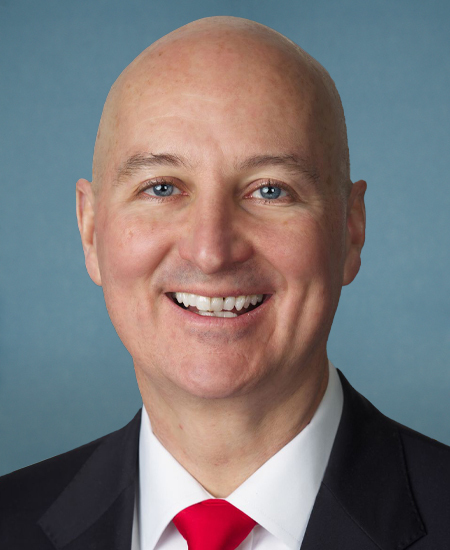
Sen. Pete Ricketts
Sponsored bills
Maddy summaryThis non-binding Senate resolution expresses the chamber's support for nuclear power as a clean, reliable energy source critical to achieving a secure, low-emission grid. It commits the Senate to promoting nuclear energy development, including establishing domestic uranium production, strengthening the nuclear supply chain, and cultivating a skilled workforce. The resolution also highlights nuclear energy as an export opportunity for U.S. manufacturing expertise. As a procedural resolution, it does not create new laws or directly affect policy implementation.
Maddy summaryThe Flex Fuel Fairness Act of 2023 requires the Environmental Protection Agency (EPA) to adjust emission calculations for flexible fuel vehicles (FFVs) that run on E85 ethanol fuel. Specifically, within 120 days of enactment, the EPA must revise regulations to allow manufacturers to use a 31% lower CO2 emission value for FFVs compared to standard gasoline vehicles, based on the Argonne National Laboratory's GREET model findings. This change directly affects vehicle manufacturers by providing a reduced emissions credit for FFVs when meeting federal fleet average CO2 standards. The bill also permits future adjustments to this percentage if updated GREET model data supports a larger reduction. The policy change aims to align regulatory calculations with the demonstrated emissions benefits of E85 fuel.
Maddy summaryThe SEASONAL Act allows U.S. states to request supplemental H-2B visas for seasonal labor shortages. Governors can petition for extra visas if a state has low unemployment (≤3.5%), unmet labor needs in specific job categories or economic zones, and certifies the visas won’t displace domestic workers or lower wages. The bill sets a 4-year expiration and requires states to comply with federal rules for visa allocation, including random assignment if demand exceeds requests. It mandates annual reports to Congress tracking visa usage, labor market impacts, and economic effects by state.
Maddy summaryThis bill (S 2647, SHINE for Autumn Act of 2023) provides federal funding to improve stillbirth data collection, research, and education. It authorizes $5 million annually for states to collect stillbirth data using existing health records while protecting privacy, $1 million for developing standardized data collection guidelines and public educational materials, and $3 million for specialized training programs in perinatal pathology and stillbirth research. The bill directly affects state health departments, medical professionals (like obstetricians and pathologists), and families impacted by stillbirth through improved data systems and educational resources. Key provisions require standardized data reporting, consultation with affected families and healthcare providers, and mandatory reports on program progress within five years of enactment.
Maddy summaryThis bill amends the Clean Air Act to adjust fuel standards and support small refineries. It changes how the EPA grants waivers for fuel additives (allowing fuels similar to certified vehicles or meeting specific waiver conditions) and modifies Reid Vapor Pressure limits from "10 percent" to "10 to 15 percent" for certain fuels. Small refineries that retired credits for 2016-2018 compliance years and had pending or denied petitions by December 2022 can now have those credits returned or applied to future compliance. The bill directly affects fuel retailers, ethanol producers, and small refineries by altering compliance rules and credit eligibility under the renewable fuel program.
Maddy summaryThis bill amends the Public Health Service Act to prohibit the Secretary from requiring any State, clinic, or provider to counsel or refer for abortions as a condition for receiving Title X family planning funding. It directly affects Title X-funded clinics and health centers that provide reproductive health services. The key provision explicitly adds that no entity receiving Title X funds may be compelled to offer or facilitate abortion services. This changes existing requirements by removing mandatory abortion counseling or referral as a condition for federal funding under Title X. The bill focuses on clarifying funding rules without altering other Title X program requirements.
Maddy summaryThe Promotion and Expansion of Private Employee Ownership Act of 2023 aims to increase employee ownership in S corporations by making it easier for companies to adopt Employee Stock Ownership Plans (ESOPs). Key provisions include extending tax deferral for sales of company stock to ESOPs, creating a Treasury Department office to provide technical assistance for ESOPs, and amending small business laws to ensure ESOP-owned businesses remain eligible for small business programs. The bill also establishes a dedicated Advocate for Employee Ownership within the Department of Labor to promote ESOP adoption, provide education, and help resolve disputes related to ESOPs. This legislation directly affects S corporations considering employee ownership transitions, their employees who would become partial owners, and small businesses that want to maintain eligibility for small business programs after an ESOP transition. The bill seeks to expand a model that studies show provides employees with retirement savings and greater job stability compared to traditional companies.
Maddy summaryThis bill authorizes the U.S. President to negotiate a tax agreement with Taiwan through the American Institute in Taiwan (AIT). It would create a formal tax treaty to prevent double taxation and reduce tax evasion for U.S. businesses and taxpayers operating with Taiwan, directly benefiting companies engaged in cross-border trade and investment. The agreement must follow standard U.S. tax convention rules (like the 2016 Model Convention) and requires congressional approval via a specific concurrent resolution before taking effect. The bill does not finalize the treaty but establishes the process for negotiation and U.S. approval.
Maddy summaryThis bill prohibits the Department of Defense from using military funds to cover travel, lodging, meals, or transportation expenses related to abortions for service members or their dependents, except in cases where the pregnancy endangers the mother’s life, results from rape, or results from incest. It also terminates a 2022 Department of Defense memo that allowed access to abortion-related care and bans using medical convalescent leave or administrative absences for abortion-related travel under the same limited exceptions. The bill directly affects active-duty military personnel, veterans, and their dependents who might seek abortion care. It modifies existing travel and leave regulations under U.S. Code titles 37 and 10 to restrict these benefits, aligning with existing federal law that limits abortion funding. The policy change removes prior allowances for abortion-related travel expenses and leave under military benefits programs.