

Maddy summaryThis resolution expresses appreciation for the contributions of American cowboys and historic cattle trails to the nation's history, particularly in celebrating the 250th anniversary of the Declaration of Independence. It recognizes the diverse roles of Mexican, Black, Native American, and White cowboys who drove cattle along trails like the Chisholm and Shawnee Trails across multiple states. The bill encourages local celebrations of this legacy as part of the national anniversary observances.
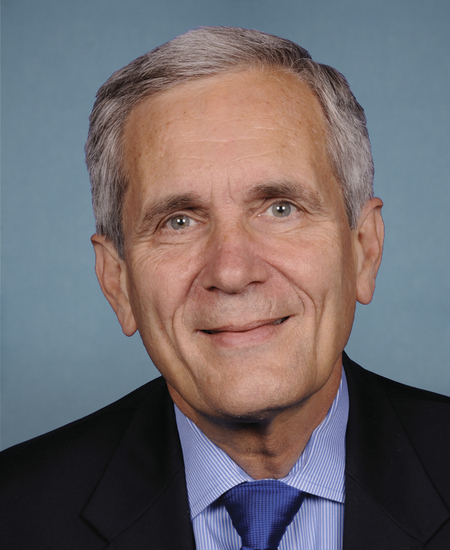
Rep. Lloyd Doggett
Sponsored bills
Maddy summaryThis concurrent resolution formally recognizes the ongoing disparity between wages paid to men and women in the United States and reaffirms Congress's commitment to supporting equal pay. It highlights statistical data showing that women earn approximately 81 cents for every dollar earned by men, with significant variations across racial and ethnic groups, and notes that the gender wage gap has widened over the past two years. The document also identifies contributing factors such as occupational segregation, lack of family-friendly workplace policies, and workplace harassment, while emphasizing the economic impact on women's retirement security and family incomes.
Maddy summaryThe Safe Staffing Saves Lives Act establishes minimum nursing staffing levels in skilled nursing facilities and nursing facilities that receive Medicare and Medicaid funding. Beginning January 1, 2029, facilities must provide a total of 4.1 hours of nursing care per resident per day, including specific hours for registered nurses, licensed practical nurses, and nurse aides, with a registered nurse available onsite 24 hours a day. Facilities that fail to meet these requirements face increased inspection frequency, potential denial of payments for new residents, and must display notices about noncompliance at their entrances. The bill also requires facilities to provide written notice of staffing noncompliance to residents and their families, and mandates periodic reports to Congress on the impact of these staffing requirements.
Maddy summaryThe Energy Bills Relief Act aims to lower household energy costs and accelerate the development of low-cost, clean energy by modifying federal tax credits, expanding weatherization programs, and streamlining permitting processes. Key provisions include restoring tax incentives for renewable energy projects, increasing funding for low-income heating assistance, and requiring federal agencies to treat wind, solar, and storage projects with the same procedural fairness as oil and gas projects. The bill also establishes new incentives for upgrading the electricity grid, such as tax credits for transmission lines and grants for wildfire prevention measures, while creating mechanisms to ensure utilities serve public interests and protect consumers from price volatility.
Maddy summaryThis bill requires the Department of Veterans Affairs (VA) to cover abortion care, counseling, and related medication as part of standard hospital and medical services for eligible veterans and certain dependents. It amends VA healthcare law to explicitly include these services under existing coverage for veterans qualifying under section 1703 and dependents eligible under section 1781(a). The policy directly affects veterans and their dependents enrolled in VA healthcare programs by expanding covered benefits to include abortion-related care. This is a concrete policy change to VA healthcare benefits, not a broader abortion law.
Maddy summaryHCONRES 78 is a symbolic resolution designating March 10, 2026, as "Abortion Provider Appreciation Day" to honor abortion providers and staff. It recognizes their work amid rising violence, clinic closures, and abortion restrictions following the Dobbs decision, citing threats and challenges faced by providers. The resolution expresses congressional support for providers' safety and access to abortion care, condemning policies that restrict access. It does not create new laws or alter existing policies - it solely affirms Congress’s stance through a symbolic gesture. This is a procedural resolution focused on recognition, not policy change.
Maddy summaryThis bill requires the Secretary of State to investigate a January 2024 attack in Gaza City that killed 5-year-old Hind Rajab and two paramedics, and to report findings to Congress within 45 days. The report must determine whether U.S.-provided weapons were used, if any perpetrators were U.S. citizens, and whether U.S.-trained soldiers were involved. If credible evidence suggests war crimes occurred, the Secretary must refer the matter to the Attorney General for potential prosecution under U.S. law. The legislation also expresses congressional support for compensation to the victims' families and establishes a policy of collecting evidence for future war crimes prosecutions.
This concurrent resolution directs the President to terminate the use of U.S. Armed Forces from hostilities against Iran or any part of the Iranian government or military unless a declaration of war or authorization to use military force for such purpose has been enacted. The resolution specifies that it shall not be construed to prevent the United States from defending itself from imminent attack.
Maddy summaryHR 7827 restricts the Department of Defense from purchasing or selling military-style assault weapons and certain high-capacity ammunition (like .223 Remington) in commercial markets. It imposes strict requirements on dealers selling firearms or ammunition, including mandatory NICS background checks, limits on high-volume sales, security measures (like surveillance systems), and electronic recordkeeping for transactions. Dealers must also meet crime trace limits (fewer than 24 crime guns traced annually) and implement training on recognizing straw purchases and preventing illegal sales. Government-owned weapons plants must annually report commercial sales data to Congress, including customer locations and revenue.
Maddy summaryThis bill, the PrEP Access and Coverage Act of 2026, requires most health insurance plans to cover HIV prevention medication without charging patients any out-of-pocket costs. It directly affects people with private insurance, government health programs like Medicare and Medicaid, military health care, and the Indian Health Service. The law mandates that insurance companies cannot require pre-approval for these medications, cannot charge deductibles or copayments for them, and cannot deny or charge higher premiums for life, disability, or long-term care insurance based on someone taking HIV prevention medication. The bill also creates a new public education campaign to increase awareness about HIV prevention options and provides federal funding to states and community organizations to expand access to these services.