

Maddy summaryThis House Resolution designates the week of May 3 through May 9, 2026, as National Postpartum Awareness Week for Communities of Color. It formally acknowledges the unique health challenges and disparities faced by pregnant people of color during the postpartum period. The measure does not create new laws or allocate funding but aims to raise awareness and encourage support for maternal health equity initiatives.
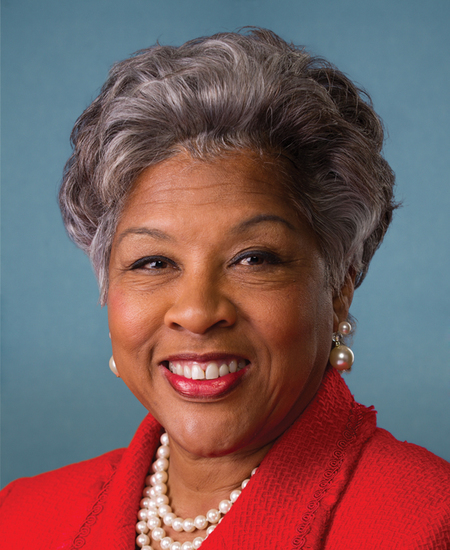
Rep. Joyce Beatty
Sponsored bills
Maddy summaryThe Blood Pressure MATTERS Act requires health insurance plans, Medicaid programs, and the Children's Health Insurance Program to cover self-measured blood pressure monitors for pregnant and postpartum individuals without charging copayments or deductibles. This coverage applies to devices that allow individuals to measure their own blood pressure without a doctor's help, provided the device is FDA-cleared and listed on a specific validated registry. The law mandates that these devices be covered regardless of whether a person has been diagnosed with high blood pressure, but limits the benefit to one device per person every two years. These changes take effect approximately 120 days after the bill is enacted, with a grace period for states that need to pass additional legislation to comply.
Maddy summaryThe Afterschool for All Act significantly increases funding for the Community Learning Centers program, raising the annual appropriation from $1 billion to $10 billion for the fiscal years 2026 through 2035. This expansion aims to support after-school programs in elementary and secondary schools, directly benefiting students and educational institutions that rely on these grants. Additionally, the bill amends the name of the relevant section in the Elementary and Secondary Education Act to remove the term "21st Century," and it raises the corporate income tax rate from 21% to 22% for taxable years beginning after the law is enacted.
Maddy summaryThis joint resolution seeks to officially reject a rule issued by the Bureau of Consumer Financial Protection that would remove an older guideline on lending discrimination. If passed, the bill would prevent the Bureau from withdrawing the 2012 bulletin, thereby keeping the existing anti-discrimination standards in place for financial institutions. The measure uses a formal process known as congressional disapproval to ensure that the specific regulatory change does not take effect.
Maddy summaryThis resolution encourages the government and private sector to work together to improve financial literacy for students and young adults. It highlights the need for better education on budgeting, student loans, and credit management, noting that many states currently lack mandatory personal finance courses in high schools. The bill reaffirms existing laws that require federal agencies to partner with organizations to create internship and employment opportunities for minorities and women. Additionally, it urges the Treasury Department to collaborate with regulators to conduct future studies on financial capability and supports the use of practical decision-making tools for consumers.
Maddy summaryThis bill, titled the Protecting Human Rights and Public Health in Foreign Assistance Act, aims to cancel specific regulations issued by the Department of State. It directly affects the federal government by prohibiting any department or agency from enforcing, implementing, or proposing rules related to protecting life, combating discriminatory equity ideology, and combating gender ideology in foreign aid programs. The legislation treats these cancelled rules as if they never existed, effectively nullifying their impact on future foreign assistance policies.
Maddy summaryThe Special Election Timeliness Act requires states to hold special elections to fill vacancies in the U.S. House of Representatives within 180 days, unless a regular general election is scheduled during that period. This law directly affects state officials who manage elections and federal representatives who may lose their seats due to death, resignation, or failure to be elected. The bill establishes legal enforcement mechanisms, allowing the Attorney General or aggrieved federal leaders to sue state executives in federal court if these deadlines are missed. By setting a specific timeline, the legislation aims to ensure timely representation in Congress without altering the existing process for nominating candidates.
This bill designates the facility of the United States Postal Service located at 189 East Main Street in Xenia, Ohio, as the "Gilman 'Gil' Whitney Post Office Building".
Maddy summaryThis resolution officially designates the week of April 24 through April 30 as the annual "National Reentry Week" to raise awareness about the challenges formerly incarcerated individuals face when returning to society. The bill highlights the need for better support systems, such as access to housing, education, job training, and mental health services, to help reduce recidivism rates. It encourages the Department of Justice and the Bureau of Prisons to coordinate reentry efforts and engage in related events during this designated week. While the measure does not change laws or allocate funding, it serves to focus national attention on policies that promote successful reintegration and public safety.
Maddy summaryThis legislation establishes a new Commission on Americans Living Abroad within the executive branch to study the impact of federal laws on U.S. citizens residing overseas. The ten-member commission will be appointed by the President and tasked with examining issues such as tax compliance, access to federal benefits, and voting rights for Americans living abroad. Within one year of enactment, the commission must submit a report to Congress and the President containing findings and recommendations to reduce regulatory burdens on Americans living abroad. The commission is authorized to operate for two years with a funding allocation of $2 million before it terminates.