

Provides that minor subdivisions would include oversized lot subdivisions under certain circumstances and relative to zoning ordinances, permit a modification to allow "neighborhood character-based modifications" under certain circumstances.
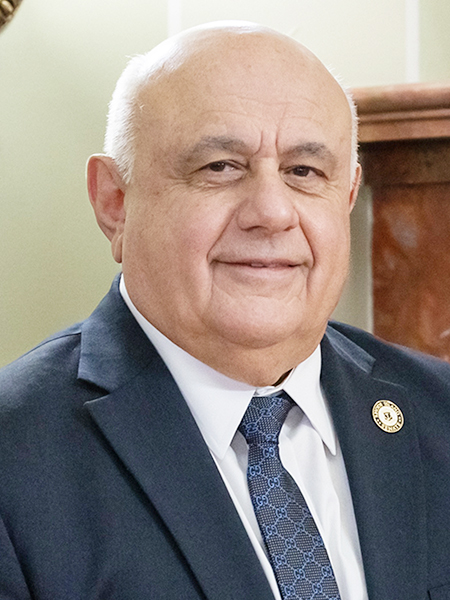
Sen. Frank Ciccone
Sponsored bills
Maddy summarySB 185 mandates large electric and gas utility companies (over 100,000 customers) to establish an income-sensitive tiered payment program for residential customers whose household income is at or below 150% of the federal poverty level. This program aims to make home energy costs more affordable by ensuring eligible households pay no more than a fixed percentage of their income for utilities. It includes fixed monthly payments and a 24-month plan for forgiving prior unpaid bills. The costs of these discounts and related administration will be covered by all other utility customers through adjustments to their rates, as determined by the Public Utilities Commission.
Increases the income range up to fifty thousand dollars ($50,000) and tax credit up to eight hundred fifty dollars ($850), for elderly and disabled persons who own or rent their homes.
Maddy summarySB 110, known as "The Rhode Island Family Caregiver Tax Credit Act," establishes a state income tax credit for eligible Rhode Island resident taxpayers. The bill allows a credit of 50% of certain uncompensated expenses, up to a maximum of $1,000, incurred for the care and support of a qualifying family member. Eligible family members must be at least 65 years old or have a disability, require assistance with daily activities, and reside with the caregiver for at least six months. This credit, which cannot reduce tax liability below zero, is intended to help relieve the financial burden on family caregivers and applies to taxable years beginning after December 31, 2025.
Maddy summarySB 693 proposes to expand eligibility for Medicare Savings Programs, which help low-income seniors and people with disabilities pay for Medicare costs. The bill increases the income limit for the Qualified Medicare Beneficiary (QMB) program to 125% of the federal poverty line, enabling more individuals to receive assistance with Medicare Part A and B premiums, deductibles, and co-payments. It also sets an income limit for the Qualified Individual (QI) program between 125% and 168% of the federal poverty line, assisting these individuals with Medicare Part B premiums. Enrollment in these programs automatically provides additional help with prescription drug costs. The Secretary of the Executive Office of Health and Human Services is tasked with implementing these changes.
Protects bullying/psychological abuse in workplace inflicted upon employees by employers/co-employees/provides civil remedies to affected employees/fines against employers/imprisonment/fines against co-employees.
Maddy summaryThis bill amends the rules for retired municipal employees who wish to re-enter service. It increases the maximum number of days a retired municipal employee can work in a calendar year from 75 to 90 days without interruption of their pension benefits. If a retired employee works beyond this 90-day limit, their pension payments are temporarily suspended. The bill also clarifies that police officers working private details and retired members serving as elected city/town council or school committee members are not subject to this specific working day limit.
Authorizes the appropriation of the sum of $500,000 to Sojourner House to support its permanent housing development program that provides safe, secure housing to individuals and families fleeing from dangerous situations.
Maddy summarySB 943 requires landlords of "large multi-family dwellings" (buildings with more than 12 units) to obtain insurance. This insurance must cover temporary housing and storage costs for tenants displaced for at least 30 days due to events like fire, flood, or natural disaster that render the building uninhabitable. The bill outlines tenant rights, including prompt notification and suitable temporary housing, and establishes penalties for non-compliant landlords, with enforcement by the Department of Business Regulation.
Prohibits any city or town from requiring an applicant for license to carry concealed firearm to provide a reason for their request other than those outlined in § 11-47-1.