

Maddy summarySB 2544 suspends the 4% gross earnings tax on electric utility companies and the 3% tax on gas utility companies until January 1, 2036. This directly affects electric and gas utility corporations operating in the state by removing these tax obligations for nearly a decade. The bill amends tax code provisions to halt these specific tax rates, which would otherwise apply to their gross earnings from electricity and gas services. The suspension begins January 1, 2027, and remains in effect through 2035.
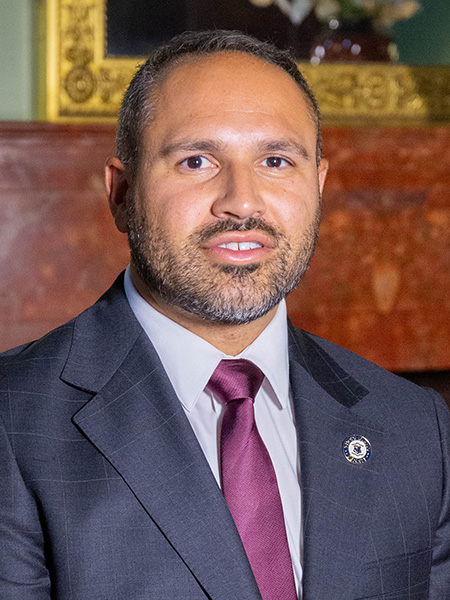
Sen. Stefano Famiglietti
Sponsored bills
Exempts a single-family, primary residence, owned by a taxpayer, who is at least sixty-five (65) years old, and has been a Rhode Island resident for at least forty (40) years. It also excludes multi-family and income-producing properties.
Maddy summaryThis Senate Resolution (SR 2512) officially designates February 7-14, 2026, as "Congenital Heart Defect Awareness Week" in Rhode Island. It recognizes the prevalence of congenital heart defects (affecting roughly 40,000 U.S. newborns annually) and urges residents to observe the week while acknowledging medical professionals working to improve outcomes. The resolution has no binding effect or policy changes; it is a symbolic gesture to raise awareness and honor efforts in congenital heart defect research and treatment.
Maddy summaryThis Senate Resolution (SR 2511) ceremonially recognizes February 10, 2026, as "211 Day" in Rhode Island to honor United Way 211's service. It does not create new laws or funding but formally acknowledges United Way 211's role in connecting residents to essential services (like housing, food, mental health, and disaster response) 24/7 since 2007. The resolution directs the Secretary of State to send certified copies to United Way of Rhode Island and community partners. As a procedural resolution, it has no direct policy impact beyond symbolic recognition.
Maddy summaryThis is a symbolic resolution (SR 2515), not a law. It designates February 2026 as "National Children's Dental Health Month" in Rhode Island. The resolution recognizes the importance of children's oral health, highlights challenges like preventable cavities and access barriers, and encourages residents to support existing efforts promoting oral health education and preventive care. It does not create new programs or change funding; it simply makes a formal acknowledgment to raise awareness.
Maddy summaryThis Senate Resolution (SR 2514) expresses the Rhode Island Senate's condolences upon the passing of Thomas Joseph Holland. It directly affects Holland's three daughters - Marybeth Holland O’Hearn, Patricia Holland Draves, and Margaret Holland McDuff - by authorizing the Secretary of State to send them certified copies of the resolution. The resolution details Holland’s life, including his 55-year marriage, career in sales/marketing, retirement activities, and later involvement with the Secular Franciscan Order. No policy changes or funding are involved; it is a ceremonial expression of sympathy. The Senate passed it unanimously on February 10, 2026.
Maddy summaryThis is a ceremonial resolution (SR 2510), not a bill with policy changes. It formally congratulates James Parisi on retiring after 30 years as a lobbyist representing the Rhode Island Federation of Teachers and Health Professionals (RIFTHP), which advocates for over 10,000 educators, nurses, and state employees. The resolution acknowledges his work informing lawmakers on education, healthcare, labor, and pension issues, as well as his reputation for integrity and collaboration. It directs the Secretary of State to send Parisi a certified copy of the resolution.
Recognizes the Seaconke Wampanoag tribe as a Native American Indian tribe for the limited purpose of assisting this tribe in establishing eligibility for federal benefits and privileges.
Maddy summarySB 2509 establishes a formal process for Native American tribes to seek state recognition by submitting a petition to the state legislature. To qualify, tribes must provide specific documentation proving historical continuity as a distinct group, current community presence, ongoing tribal governance, membership criteria, membership lists, and confirmation they are not affected by federal termination policies (per HCR 108). The bill does not grant automatic recognition but creates a structured petition pathway, with the legislature retaining authority to impose restrictions on gaming, land use, and tax-free ventures for recognized tribes. This procedural bill directly affects tribes seeking state acknowledgment and outlines clear, evidence-based requirements for their application.
Adds probation officers and parole officers to the definition of "police officer" for purposes of salary payments during line of duty illness or injury.