

Maddy summarySB 2273 sets a statewide maximum limit of 12 children for licensed family child care homes, overriding local zoning ordinances that previously imposed stricter lower limits. It directly affects family child care providers and municipalities by prohibiting cities/towns from restricting the number of children in these homes below 12. The bill explicitly states this does not change existing state licensing rules under Chapter 12.5 of Title 42, only addressing zoning restrictions. (Section 1(d) of SB 2273)
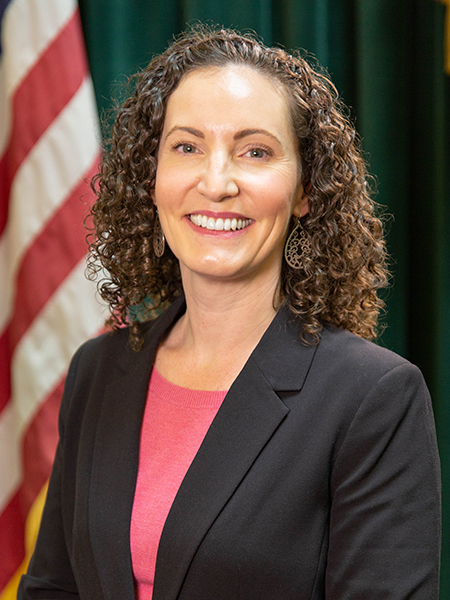
Sen. Bridget Valverde
Sponsored bills
Allows for a special RI license plate to raise awareness for colon cancer. The plate would be designed by the partnership to reduce cancer in RI and honoring the late Maryellen Goodwin.
Maddy summaryThis bill requires licensed alcohol retailers to provide drink lids to customers upon request to help prevent drink spiking. The law mandates that businesses post a specific notice informing patrons about the availability of lids and instructs them to ask staff for details. Retailers may charge a reasonable fee for the lids based on wholesale costs, though they are also allowed to offer them for free. For the first violation of this requirement, including failure to post the notice, the penalty is limited to a warning from the regulatory department.
Maddy summaryThis bill creates a pilot program and task force focused on using food as medicine, managed by the executive office of health and human services. The program would explore how dietary interventions can support health outcomes, though specific details like funding levels and participant criteria are not yet defined in the abstract. The measure is currently in the early stages of review and has been held for further study by the Senate committee. It does not yet establish any permanent regulations or mandate specific actions for healthcare providers or the public.
Amends certain provisions relative to school waste recycling and refuse disposal and requires reports of waste audits by educational entities and reports of program participation by vendors.
Maddy summarySB 2182 removes the fee for drivers education classes at Rhode Island's community colleges for youth living in foster or adoptive homes. This directly affects young people in these care settings who would otherwise pay the standard fee to complete required driver's education. The bill's key provision exempts these individuals from the fee requirement, making the program more accessible. This change reduces a financial barrier to obtaining driver's education, which is a prerequisite for a driver's license in Rhode Island.
Requires the department of elementary and secondary education and DOH to adopt policies, rules and regulations for the administration of seizure rescue medications for children who have been medically identified as having epilepsy/seizure disorder.
Directs middle and high schools which issue student identification cards to include on those cards contact crisis telephone numbers for suicide prevention and substance use disorder prevention.
Maddy summaryThis bill allows children in Rhode Island with developmental disabilities to continue receiving early intervention services until September 1 if their third birthday falls between May 1 and August 31, addressing a current service gap before they transition to preschool programs. The legislation requires the state's Department of Human Services to create a plan by July 1, 2026, to implement this extension while seeking necessary federal approvals, with full implementation expected by January 1, 2028. By extending services beyond the traditional cutoff date, the bill aims to ensure uninterrupted support for children during their transition from early intervention to early childhood special education services.
Maddy summaryThis bill authorizes the issuance of a Class B or Class B-H liquor license for a specific property at 349 Main Street in South Kingstown. The legislation amends state law to allow this particular license despite potential restrictions that would normally apply to new alcohol sales near schools or churches. The bill does not change the general rules for liquor licenses statewide but creates a specific exception for this single location. It directly affects the property owner seeking the license and the local licensing authority in South Kingstown.