

Maddy summarySB 816 prohibits candidates, campaigns, PACs, and independent spenders from distributing AI-generated or manipulated videos, audio, or images (deemed "deceptive synthetic media") in election communications within 90 days of an election. It requires clear, visible disclosures if such media is used (e.g., text in large font for videos, spoken announcement for audio), with exemptions for news outlets, satire, and platforms protected under federal law. The bill directly affects election campaigns, political committees, and entities making independent expenditures, while allowing candidates to seek legal action for violations. It does not restrict general news reporting, satire, or security-related uses of synthetic media.
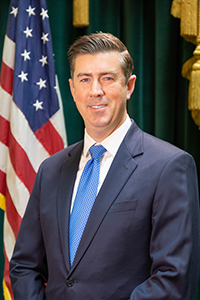
Sen. Matt LaMountain
Sponsored bills
Requires the school board or committees of cities and towns to establish a safety and behavioral health committee and also lays out the representation requirements committee responsibilities to ensure a stable learning environment for all students.
Protects the rights of employees in the workplace relating to free speech, assembly and religion, as well as attendance at employer-sponsored meetings regarding political or religious matters.
Provides standards for developing, implementing, and maintaining reasonable administrative, technical, and physical safeguards to protect the security, confidentiality, and integrity of customer information.
Changes the process by which a dispute between the insured and their insurance company, concerning property damages and requires that the umpire appraisers shall be disinterested and the cost shared equally.
Maddy summarySB 932 extends a temporary rule allowing nonprofit organizations that sponsor special license plates to order as few as 150 plates per design (instead of the standard 600) without needing full prepayment. This change, originally set to expire December 31, 2025, is made permanent by the bill. It directly affects nonprofits that create custom plates for causes like charities or community groups, reducing their financial barrier to launching new designs. The bill repeals the expiration date, ensuring the lower minimum order requirement continues indefinitely.
Amends the definition of the practice of pharmacy to include the administration of all forms of influenza immunizations including COVID-19 to individuals over the age of 3 years pursuant to a valid prescription or prescriber approved protocol.
Criminalizes the unauthorized dissemination of sexually explicit images of another person that are created by digital devices or created without the consent of the person depicted.
Maddy summaryRhode Island's SB 792, the "Rhode Island Kratom Act," authorizes and regulates the sale and distribution of kratom products within the state. It prohibits selling kratom in food/beverage forms, synthetic alkaloids (like synthetic mitragynine), combustible products, or items appealing to minors, and sets strict limits on heavy metals and concentration levels (e.g., no more than 150mg mitragynine per serving). The law requires all kratom products to be sold in child-resistant packaging and include specific health warnings, dosage information, and FDA disclaimers. It establishes licensing requirements for manufacturers, distributors, and retailers to ensure compliance with these safety and labeling standards. The bill became law after passing both chambers and receiving the Governor's signature on July 2, 2025.
Expands the definition of "employee," and clarifies that the board may defer a pending unfair labor practice charge to allow for the grievance and arbitration process to move forward pursuant to the charging parties collective bargaining agreement.