

Extends the forbearance of utility terminations for customers with serious illness certifications and would amend various provisions related to the termination of utility services for persons who are disabled, seriously ill, or in arrears.
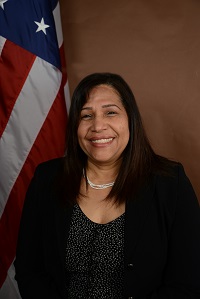
Sen. Ana Quezada
Sponsored bills
Requires the state to implement the Interstate Medical Licensure Compact no later than July 1, 2025. Also restores access to telemedicine for all Rhode Island residents and allows treatment by out-of-state providers who register with DOH.
Establishes The Body Cameras for Correctional Facilities Act which mandates all department of corrections staff with direct supervision rolls to wear body cameras while on duty in their assigned facility.
Provides that prisoners who committed offenses prior to age 18 and sentenced as adults would be eligible for parole after completing 15 yrs of their sentence/does not lengthen their eligibility should prisoner be eligible for parole earlier than 15 yrs.
Grants a right of first offer to qualified nonprofits for the purchase of certain multi-family residential properties at market prices, within a reasonable period of time to promote the creation and preservation of affordable rental housing.
Establishes that Medicaid eligibility in RI can only be determined using state-controlled data, prohibit private entity data in eligibility decisions, and ensure terminations are made by human employees rather than automated systems.
Prohibits state and municipal officials or body from entering into and renewing any agreements that will be used to detain individuals for federal civil immigration violations.
Gives authority to the department of labor and training to enforce violations of the laws relating to corrosion prevention and mitigation work requirements. This act would also add civil monetary penalties for violations of those laws.
Provides that when 2 or more individuals associate to accomplish the crime of shoplifting, that they would be deemed to be associated for the particular purpose of shoplifting and be guilty of a felony.
Maddy summarySB 875 would shorten the waiting period to clear criminal records (expungement) for certain convictions. People with a single misdemeanor could expunge records after 3 years (down from 5), and those with felonies or multiple misdemeanors after 5 years (down from 10). The bill applies to individuals who have completed their sentences and paid all court fees, but excludes convictions for violent crimes or specific drug offenses listed in the law. It would take effect immediately upon passage.