

Maddy summaryThis bill proposes to set a statewide cap of 12% per year on the interest or penalties that cities and towns can charge on unpaid local taxes. Currently, local municipalities have the authority to set these rates up to 18%, but this legislation would lower that maximum limit for most towns while keeping the existing 12% cap for the city of Cranston. The change aims to standardize the maximum cost of late payments across the state by amending the General Laws regarding local tax assessments.
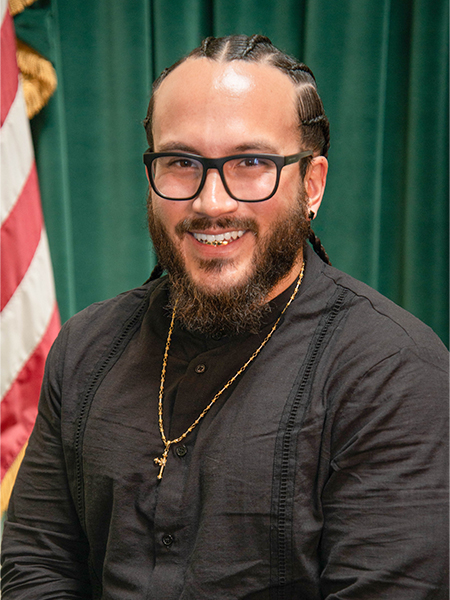
Sen. Jonathon Acosta
Sponsored bills
Maddy summaryThis bill extends teacher certifications for three or five years without fees or penalties for educators who were already certified as of July 1, 2024. It also waives application and exam fees for new teacher certifications during the period from July 1, 2024, through June 30, 2027. Additionally, the law allows teachers with at least three years of experience to earn additional certifications by taking exams or completing coursework, and it directs the state education department to create more flexible pathways for obtaining teacher and administrator credentials.
Maddy summarySB 2167 amends state laws regarding sales and use taxes to exempt scalp hair prostheses and wigs that are medically necessary due to hair loss from sales tax liability. The bill also clarifies how bundled transactions are defined and taxed, specifically establishing rules for when multiple items sold together are treated as a single taxable unit versus separate items. Additionally, it sets specific thresholds for determining when taxable goods within a bundle are considered insignificant enough to not trigger tax on the entire package. These changes directly affect retailers selling medical hair products and businesses that bundle various goods for sale.
Provides $4 million to support after school and school vacation, summer learning workforce development programs for K-12 students with annual reports on status and programs.
Creates the Rhode Island baby bond trust to provide investment funds to children born to families with public health insurance or no insurance living in Rhode Island.
Provides the state would cover dialysis for the treatment of end stage renal disease ("ESRD") and kidney transplants for persons who do not qualify for full Medicaid due to their immigration status.
Maddy summarySB 2875 requires health insurance policies in the state to cover qualified interpreter services for medically necessary doctor visits involving non-English-speaking patients. This mandate applies to individual and group health plans, hospital policies, and health maintenance organizations that are delivered, issued, or renewed on or after January 1, 2025. The bill specifies that interpreters must be provided for one-on-one, face-to-face interactions during these appointments, provided that federal laws do not already require such coverage.
Maddy summaryThis Senate resolution formally welcomes the Narragansett Council of the Boy Scouts of America to the Rhode Island State House and celebrates Scouting Month in February. The bill highlights the organization's contributions to youth development, community service, and outdoor education across the state, noting specific statistics on campers, service hours, and new members. It also acknowledges the council's plans to build a new Leadership and Program Center at Camp Champlin to expand its facilities and offerings. Ultimately, the resolution serves as a ceremonial tribute to the Scouts and their volunteer leaders rather than establishing new laws or funding.
Maddy summarySB 2237 proposes to increase the minimum cash wage for employees who receive tips, such as those in restaurants and hotels, from $3.89 to $6.75 per hour starting January 1, 2025. Under this bill, employers must pay this higher base rate to workers in industries where gratuities are customary, while still allowing them to count tips toward the overall minimum wage requirement. The legislation also updates the rules for calculating these wages and establishes a process for employers to provide proof that their tip-based wage systems comply with the new standards. Additionally, the bill maintains existing provisions for student workers in nonprofit organizations, who would continue to be paid at least 90% of the standard minimum wage.
Creates new definition for the term "employee", for purposes of wages, workers' compensation, temporary disability and unemployment insurance benefits, which deems a worker to be an employee, as opposed to an independent contractor.