

Maddy summarySB 979 amends Pawtucket's property tax classification system to reorganize how residential properties are taxed. It expands Class 1 to include residential properties with up to six dwelling units if at least one is owner-occupied (previously five units), and creates a new Class 5 for residential properties with five or fewer units where no units are owner-occupied. The bill also sets a cap limiting Class 5 tax rates to no more than 175% of Class 1 rates. This directly affects Pawtucket residential property owners, particularly those managing multi-unit rentals or mobile homes.
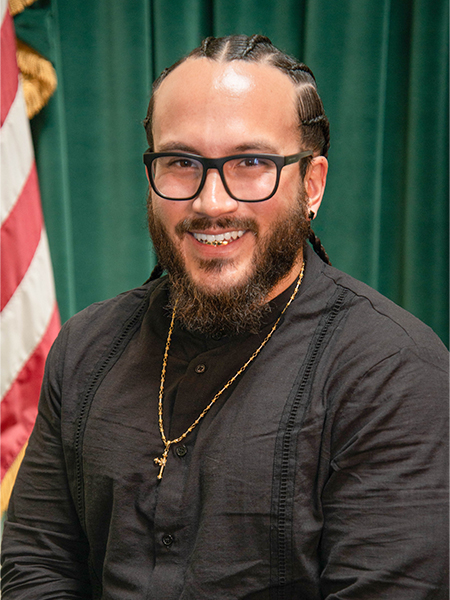
Sen. Jonathon Acosta
Sponsored bills
Maddy summarySB 329 creates a new 3% tax rate on Rhode Island taxable income exceeding $625,000 (adjusted for inflation starting in 2025 dollars). This additional tax applies only to high-income earners - specifically individuals and households with income above that threshold - and takes effect for tax years beginning in 2026 or later, with no retroactive application. The bill amends Rhode Island’s existing personal income tax code to add this rate to the current progressive brackets, which already tax higher incomes at up to 9.9%. It directly affects residents and nonresidents with significant earnings, while leaving lower-income tax brackets unchanged. The measure is currently pending further study after a committee recommended holding it for additional review.
Maddy summarySB 779 would impose a 1% tax on the worldwide value of intangible assets owned by Rhode Island residents, including both individuals and businesses, starting January 1, 2026. The tax applies to assets like stocks, patents, trademarks, copyrights, and financial investments as of December 31 each year, calculated using fair market value. Residents would file annual returns by April 15th reporting their taxable wealth, which excludes certain assets like real estate. The bill defines "intangible assets" broadly to include both financial investments and non-financial property such as trade secrets or business reputation.
Makes all causes of action based on sexual abuse or exploitation of a child not subject to any statute of limitations whether the claim has lapsed or was previously time-barred.
Provides that in local educational agencies when over 45% of the children have a family income that is at or below 185% of federal poverty guidelines then the student success factor will be 50% by the core instruction per-pupil amount.
Establishes a statewide “Healthy School Meals for all” universal school breakfast and lunch program in Rhode Island public schools phased in over 3 years.
Provides funding to establish a dual language program within the department of elementary and secondary education. It also describe how to implement he Support and Access to Bilingual Education “SABE Act” for all Local Education Agencies “LEA” recipients.
Authorizes the office of postsecondary commissioner to expand bilingual and dual language teacher certificates in urban schools through two scholarship programs for students and teachers, with eligibility requirements and donations.
Provides that services provided by graduate student interns who work under a supervisory protocol would be eligible to be paid from Medicaid reimbursement.
Establishes a statewide “Healthy School Meals for all” universal school breakfast and lunch program in Rhode Island public schools phased in over 3 years