

Establishes Children's Catastrophic Illness in Children Relief Fund to provide finance assistance to families for medical expenses not covered by state or federal programs or insurance contract.
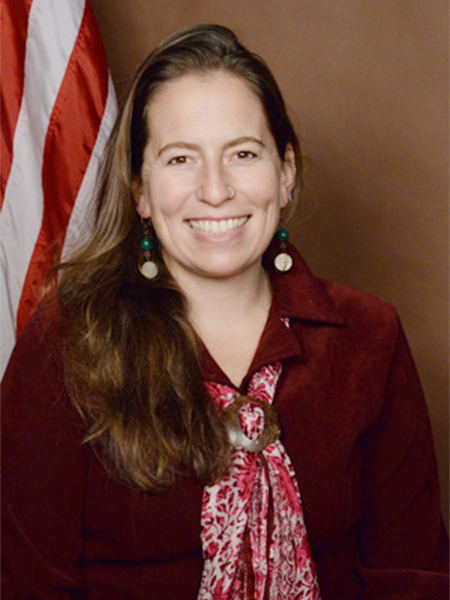
Sen. Meghan Kallman
Sponsored bills
Maddy summarySB 779 would impose a 1% tax on the worldwide value of intangible assets owned by Rhode Island residents, including both individuals and businesses, starting January 1, 2026. The tax applies to assets like stocks, patents, trademarks, copyrights, and financial investments as of December 31 each year, calculated using fair market value. Residents would file annual returns by April 15th reporting their taxable wealth, which excludes certain assets like real estate. The bill defines "intangible assets" broadly to include both financial investments and non-financial property such as trade secrets or business reputation.
Allows the city of Providence to adopt higher rates for the marginal value of residential property in excess of $1,000,000 per dwelling. Taxpayers below a certain income level may be exempt and additional revenue would be exempt.
Bills nonprofit colleges and universities in the city of Providence for municipal services if they do not reach a memorandum of agreement with the city for increased payments.
Makes all causes of action based on sexual abuse or exploitation of a child not subject to any statute of limitations whether the claim has lapsed or was previously time-barred.
Mandates that EOHHS assemble a network of equity zones where local multisector groups of nonprofits, service providers, advocates, community members, state agencies, and municipalities can address social factors of health at a local level.
Maddy summarySB 104 establishes a permanent Compost Fund funded by a $2-per-ton surcharge on solid waste disposal in Rhode Island. This surcharge, collected quarterly from waste haulers and landfill operators, will support grants for projects that reduce landfill use - such as composting programs, food rescue initiatives, and shell recovery. The bill directly affects waste disposal companies (who pay the surcharge) and will fund communities and organizations developing composting infrastructure, organic waste diversion, and soil health projects. It aims to address Rhode Island's landfill capacity concerns (projected to fill by 2043) while supporting climate and environmental goals outlined in the state's 2021 Climate Act.
Establishes a statewide “Healthy School Meals for all” universal school breakfast and lunch program in Rhode Island public schools phased in over 3 years
Requires the executive office of health and human services to apply to the Centers for Medicare and Medicaid Services for a state plan amendment for reimbursement for health services in a school.
Requires insurance coverage for all community health workers' services to include health and promotion coaching, health education and training, health system navigation and resource coordination services, care planning and follow-up care recommendations.