

Creates a state-run pilot program in Rhode Island that provides paid, low-barrier employment to individuals experiencing homelessness for community beautification and cleanup projects while connecting participants to supportive services.
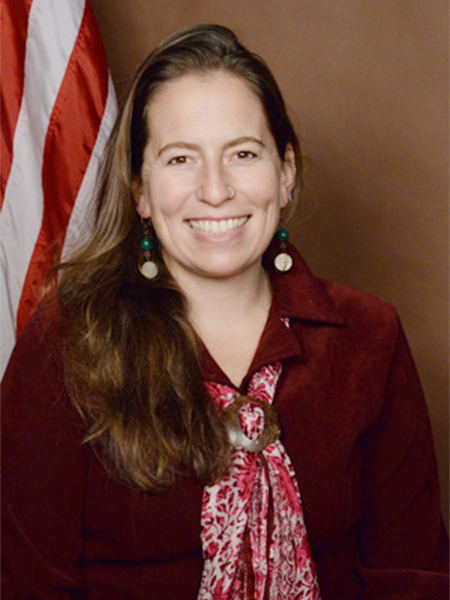
Sen. Meghan Kallman
Sponsored bills
Recognizes the Seaconke Wampanoag tribe as a Native American Indian tribe for the limited purpose of assisting this tribe in establishing eligibility for federal benefits and privileges.
Maddy summarySB 2509 establishes a formal process for Native American tribes to seek state recognition by submitting a petition to the state legislature. To qualify, tribes must provide specific documentation proving historical continuity as a distinct group, current community presence, ongoing tribal governance, membership criteria, membership lists, and confirmation they are not affected by federal termination policies (per HCR 108). The bill does not grant automatic recognition but creates a structured petition pathway, with the legislature retaining authority to impose restrictions on gaming, land use, and tax-free ventures for recognized tribes. This procedural bill directly affects tribes seeking state acknowledgment and outlines clear, evidence-based requirements for their application.
Makes changes to the access to public records act, including clarifying various provisions, increasing the sanctions for knowing and willful violations of the law, and making certain traffic accident data and preferred license plate information public.
Maddy summarySB 2222 establishes a fee on fossil fuel sellers (like gasoline, diesel, and natural gas companies) operating in Rhode Island. The collected fees will fund the "Economic and Climate Resilience Fund," which will support clean energy programs, energy efficiency upgrades for low-income households and small businesses, and worker transition initiatives for jobs in low-carbon industries. The bill aims to reduce greenhouse gas emissions, address climate impacts disproportionately affecting vulnerable communities, and help Rhode Island meet its 2035 emissions goals. This is a proposed legislative measure introduced in January 2026 and not yet enacted.
Requires the department of human services to provide childcare assistance to families, including those served through DCYF, who meet the requirements of a protective services category as defined in CFR 98.20 (a)(3)(ii).
Maddy summaryThis resolution appropriates $2,000,000 from the state treasury for the Elisha Project, a Pawtucket-based nonprofit serving food-insecure families across Rhode Island, particularly in the Blackstone Valley. The funding supports the organization's existing operations, including providing meals and necessities to vulnerable communities, with specific programs for children, veterans, and families. The Elisha Project has previously served over 20 million meals, and this resolution authorizes the state controller to disburse the funds upon verified requests. It directly affects the Elisha Project's ability to expand services as food insecurity needs grow, without creating new policy or altering existing programs.
Grants tenants that are the victim of various forms of abuse including, but not limited to, sexual and domestic abuse and stalking, the right to terminate a lease agreement early without penalty or liability for rent.
Maddy summarySB 2081 creates a state-funded tuition assistance program for Rhode Island students pursuing teaching careers in critical shortage fields, specifically science and mathematics for grades 7-12. It provides financial support covering tuition and certain non-tuition costs (like transportation or childcare) at Rhode Island colleges, after other financial aid is applied. To qualify, students must enroll in a teaching program in these fields and agree to complete three years of full-time teaching in Rhode Island public or private schools. If recipients don't finish their degree or fulfill the teaching requirement, the assistance converts to a repayable loan.
Maddy summarySB 2014 requires Rhode Island internet service providers (ISPs) to regularly submit detailed data about broadband speeds, technology types, and coverage areas to the Rhode Island Commerce Corporation. This data will be used to create and maintain an updated statewide broadband map identifying underserved or unserved communities. The map aims to guide infrastructure investments, support policy decisions, and help providers expand services in areas with limited access. The bill was introduced in January 2026 but withdrawn on January 13, 2026, at the sponsor’s request.