Requires the department of health to incorporate information about dementia risk factors and reduction into public education and healthcare provider education materials.
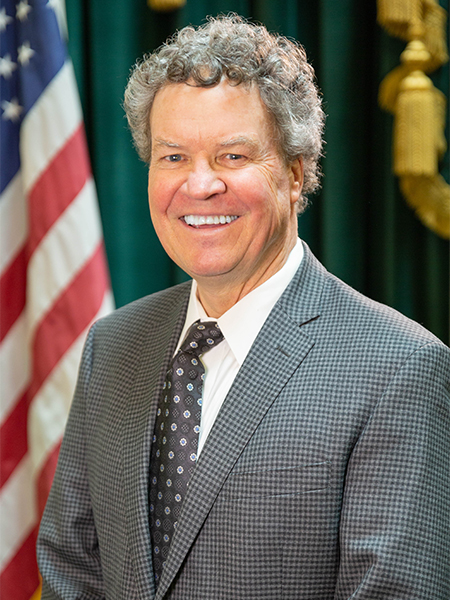
Sen. Walter Felag
Sponsored bills
Provides protection and prevents the unethical, improper conduct and the collection of fees, by anyone advising or assisting a veteran filing a claim for disability benefits with the Department of Veterans Affairs, except as authorized by federal law.
Allows the two (2) gaming facilities in the state to livestream images of gaming-related activities to one or more external jurisdictions for the purpose of facilitating external game play activities in external jurisdictions where gaming is permitted.
Maddy summarySB 483 (Pharmacy Refill Bill) allows pharmacists to dispense a one-time refill of essential medications for up to 100 days under specific conditions. It directly affects patients who cannot reach their prescriber for a refill and pharmacists managing medication continuity. The bill permits refills only for non-controlled substances (excluding Schedule II-V drugs) needed for life-sustaining or chronic conditions, where stopping treatment could cause health risks, and requires pharmacists to notify the prescriber within seven business days. The law takes effect July 1, 2025, and aims to prevent treatment interruptions without prescriber authorization.
Establishes concurrent jurisdiction between the Rhode Island Family Court and the Federal Government for the purposes of adjudicating minors who have allegedly committed a crime on a military installation located in the State of Rhode Island.
Maddy summarySB 359, the Rhode Island Assault Weapons Ban Act of 2025, prohibits the sale, manufacture, and purchase of specific firearms defined as "prohibited" under the bill. It directly affects residents and businesses in Rhode Island who handle or own firearms meeting the defined criteria, such as semi-automatic rifles with folding stocks, pistol grips, or magazines holding more than 10 rounds. Key provisions ban weapons with features like detachable magazines, grenade launchers, or threaded barrels, while allowing limited exceptions for current owners selling to dealers or law enforcement. The ban takes effect July 1, 2026, with violations punishable by up to 10 years in prison or a $10,000 fine.

Maddy summarySB 172 caps interest rates on medical debt at a maximum of 4% annually (and minimum of 1.5%), based on the weekly average Treasury yield published by the Federal Reserve. It directly affects consumers who owe healthcare providers for services, limiting interest charges on new medical debt incurred after the law takes effect. The bill sets the interest rate using the Federal Reserve's weekly Treasury yield data from the week before the consumer received their bill. This policy change applies only to new medical debt, not existing balances.
Maddy summarySB 123 allows municipalities to hold tax amnesty events once every three years, where taxpayers can request waivers for interest and penalties on overdue property and vehicle taxes. Municipalities must create ordinances authorizing two separate 60-day periods (within 2024-2025) for these waivers, requiring written taxpayer requests dated during those periods. The bill prohibits waiving penalties for taxes owed in the same year as the amnesty period and requires written decisions from tax officials with appeal options to local councils. This directly affects local governments and taxpayers with delinquent property or vehicle tax payments.
Requires every college in RI to train staff members in the student residential department, including RAs, to administer of opioid antagonists with protection from liability and prosecution.
Maddy summarySB 729 expands Rhode Island's criminal threats law to specifically protect election officials and workers. It makes threats against election officials (including poll workers, wardens, moderators, and board members) a misdemeanor punishable by up to one year in jail or a $1,000 fine, rather than being covered under the general public official provisions. The bill directly affects election workers who perform duties at polling places during elections. Key provisions define "election official" broadly to include all staff at polling locations and clarify that threats targeting them for their role are now explicitly prohibited. This law took effect immediately upon the governor's signature on June 26, 2025.