

Adds new sections that set forth conditions for pharmacists to prescribe tobacco cessation drug therapies, including education approved by state board of pharmacy. The cessation therapies to be covered by all health insurance carriers on or after 1/1/26.
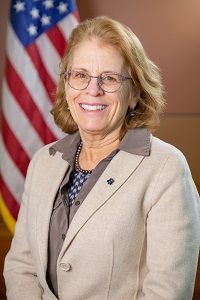
Rep. Terri Cortvriend
Sponsored bills
Modifies the real estate sales disclosure form to include the disclosure of “blower door diagnostic air leakage testing” and advises that air leakage testing is recommended prior to purchasing a residential unit.
Requires a person selling real property to provide disclosures as it relates to flooding on the property which occurred either through natural events or mechanical failures.
Requires the department of elementary and secondary education and DOH to adopt policies, rules and regulations for the administration of seizure rescue medications for children who have been medically identified as having epilepsy/seizure disorder.
Maddy summaryThis bill (HR 6052) is a symbolic resolution declaring March 2025 as "Music in Our Schools Month" in Rhode Island. It recognizes the importance of music education by highlighting its benefits for student engagement, creativity, and academic outcomes, as documented by research. The resolution formally supports music education in public schools and directs the Secretary of State to send a certified copy to the Rhode Island Music Education Association. It does not create new funding or policy changes, but serves as a public acknowledgment of music education's value.
Maddy summaryThis bill is a ceremonial resolution honoring Armand M. LaMontagne, a Rhode Island artist known for sculptures displayed at venues like the Baseball Hall of Fame and the New England Sports Museum. It expresses the Rhode Island House of Representatives' condolences on his passing and directs the Secretary of State to send a certified copy of the resolution to his wife, Lorraine A. LaMontagne, and family. As a purely commemorative measure, it does not create new laws or affect policy.
Maddy summaryHB 5646 adds individuals aged 70 or older to the list of people eligible to request exemption from jury service in Rhode Island. It directly affects residents of Rhode Island who are 70 years or older and receive a jury summons. The bill amends existing law to allow these individuals to formally decline jury duty by claiming the exemption, rather than being automatically exempt. This change applies to all Rhode Island courts and civil procedures involving jury selection.
Creates rodent integrated pest management pilot programs for municipalities. That choose to participate. Reports would be approved by the municipality's mayor or administrator and would be submitted to the department of environmental management.
Maddy summaryHB 5860 would prohibit Rhode Island state entities, health insurance plans, and participating ERISA plans from purchasing prescription drugs above a federally set "maximum fair price" (based on U.S. Department of Health and Human Services rates). The law requires these entities to use any savings from this price cap to directly reduce costs for consumers, with a focus on addressing health equity disparities. Annual reports detailing savings and how they were used to lower consumer costs must be submitted to the state insurance commissioner. This bill affects all state-funded health programs, private health insurers, and employer-sponsored health plans that choose to participate.
Maddy summaryHB 5433 amends Rhode Island's Health Care Reform Act to strengthen oversight of health insurance. It requires the health insurance commissioner to hold quarterly public meetings on insurer rates and services, establish an advisory council with consumer and business representatives to address small business insurance affordability, and analyze the impact of merging individual and small-employer insurance markets. The advisory council must produce annual reports on topics like provider fee transparency, claim processes, and data on quality and costs to help consumers make informed choices. These provisions directly affect health insurers, small businesses, and healthcare providers by increasing accountability and transparency in insurance regulation.