

Appropriates two million seven hundred thousand dollars ($2,700,000) to fund the primary care training sites program to provide training for physicians, nurse practitioners and physician assistants within the department of health.
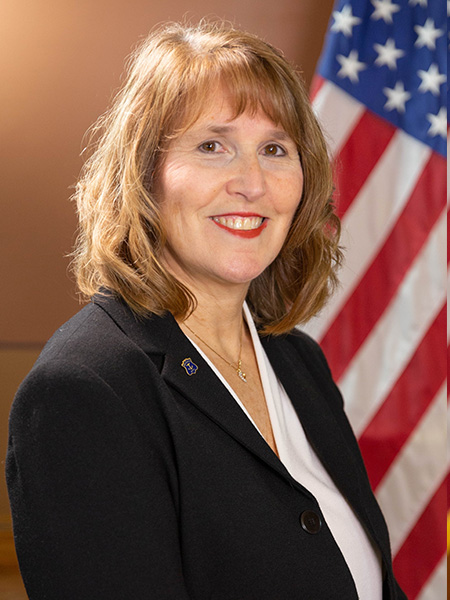
Rep. Michelle McGaw
Sponsored bills
Establishes the process to provide a legal mechanism whereby a terminally ill patient may choose to end their life using medications prescribed by a physician.
Requires all peace officers to carry epinephrine autoinjectors in their vehicles or on their person police departments to budget sufficient funds to purchase the epinephrine and autoinjectors and for training of every peace officer.
Provides that services provided by graduate student interns who work under a supervisory protocol would be eligible to be paid from Medicaid reimbursement.
Allows a municipality to set its own conveyance tax rate for residential properties sold in excess of $900,000.00 at $10 per $500. Provides collected taxes to be in a restricted account and distributed within 2 years for affordable housing.
Permits a nurse who has the appropriate knowledge, credentials and clinical competency, to provide home services foot care, which includes routine foot and nail care, as well as implementing a plan of care that includes hygiene and fingernails.
Maddy summaryHB 7244 requires the state to pay 50% of relocation costs for private utility companies (like electricity or gas providers) when highway projects necessitate moving their facilities. For public entities (such as cities, counties, or state agencies), the state covers 100% of these relocation costs. The bill applies specifically to highway projects on federal aid systems (like interstate highways) where the state receives federal funding. This change ensures that both private and public utility owners are compensated for relocation expenses tied to state highway construction, with no reimbursement for improvements ("betterment").
Requires the state investment commission to create a capital access initiative to expand potential investment opportunities for the state’s pension fund and engage qualified but traditionally underrepresented investment managers.
Maddy summaryHB 7681, the Education Equity and Property Tax Relief Act, provides direct state funding for specific education costs to support school districts. It covers special education expenses exceeding 4x the base funding, career and technical education program costs (including facilities and equipment), and transportation for students attending out-of-district non-public schools. The bill also establishes stabilization funds for Central Falls, Davies, and the Met Center schools due to financial challenges, and requires the state to fully fund transportation categorical funds for regional school districts starting in fiscal year 2027. Regionalized school districts like Chariho will receive a temporary two-year bonus (2% then 1% of state aid) to encourage regional collaboration.
Allows an individual school district that can utilize its own buses or vendors at a lower cost than the statewide system, to obtain reimbursement for these costs from state funds.