

Maddy summaryHB 5195 establishes a program to reduce solid waste and promote composting and organic waste diversion in the state. It creates a new solid waste disposal surcharge of two dollars ($2.00) per ton, to be paid by entities disposing of waste at refuse disposal facilities. Revenue from this surcharge will fund a new "Compost Fund," administered by the Department of Environmental Management. This fund will award grants to support projects related to reducing solid waste, rescuing surplus food, recovering shells, producing and using compost, and minimizing illegal dumping.
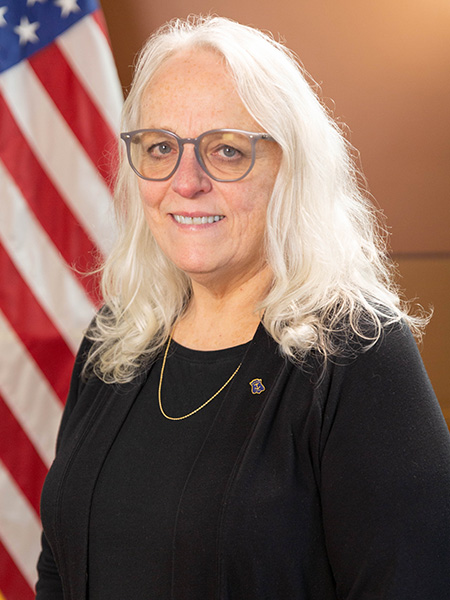
Rep. June Speakman
Sponsored bills
Allows a municipality to set its own conveyance tax rate for residential properties sold in excess of $900,000.00 at $10 per $500. Provides collected taxes to be in a restricted account and distributed within 2 years for affordable housing.
Maddy summaryHouse Resolution 6311 proclaims May 8, 2025, as "Arts Day in Rhode Island." This resolution encourages all Rhode Islanders to recognize the enriching role of arts and culture in their communities.
Maddy summaryHouse Bill 5080 amends state sales and use tax laws. This bill exempts scalp hair prostheses or wigs from sales tax. The exemption applies specifically when these items are necessary due to hair loss resulting from a medical condition. This change aims to reduce the financial burden on individuals who require these items for medical reasons.
Maddy summaryHouse Resolution 6300 proclaims the first full week of May, 2025, as "Composting Awareness Week" in the State of Rhode Island. It urges the Governor and the Rhode Island Department of Environmental Management to observe the week with appropriate activities and programs, and encourages all Rhode Islanders to participate in composting.
Increases the membership from eighteen (18) to twenty (20), and extend the reporting and expiration dates of the Commission to Study Housing Affordability from June 7, 2025, to June 5, 2027, and would expire on June 26, 2027.
Establish a moratorium on changes to the state energy conservation code from the 2024 International Energy Conservation Code until January 1, 2030, unless approved by the legislature and made effective by the governor.
Includes any costs paid by an enrollee or on behalf of the enrollee by a third party when calculating an enrollee’s overall contribution to any out-of-pocket maximum or cost sharing requirement under a health plan as of January 1, 2026.
Maddy summaryHB 5280, the "Higher Education Opportunities for Students with Intellectual Disabilities Act," aims to provide inclusive educational opportunities at state colleges and universities for students aged 18-21 with severe intellectual disabilities, autism spectrum disorders, or other severe developmental disabilities who receive special education services. The bill allows these students to participate in credit or non-credit courses, internships, and campus life without requiring a high school diploma or college entrance exams. Their participation is considered an approved special education service and a form of secondary school education, covered if addressed in their Individualized Education Program. While state institutions can set selection guidelines, they cannot deny opportunities solely based on disability, and they are not required to fund individual supports beyond typical provisions.
Maddy summaryHB 6248 allows city and town councils to adopt a property tax deferral program for eligible senior citizens, disabled citizens, and disabled veterans who own and occupy a single-family home. Under the program, property taxes can be postponed until the property is sold or all qualified owners die. The deferred taxes, along with 6% annual interest, will constitute a lien against the real estate. Homes with reverse mortgages or less than twenty percent equity are not eligible for this deferral.