

Maddy summaryThis bill proposes creating a new beverage container deposit recycling program in Rhode Island to reduce litter and increase recycling rates. It would establish a system where consumers pay a small refundable fee when buying eligible drinks in containers like plastic, glass, or metal, which they can get back by returning empty bottles to designated drop-off facilities. The Department of Environmental Management would oversee the program, while manufacturers and importers would be responsible for funding and managing the collection efforts through designated nonprofit organizations. The law specifically defines which products are covered, such as single-use drinks between 50 milliliters and three liters, while excluding items like milk and infant formula.
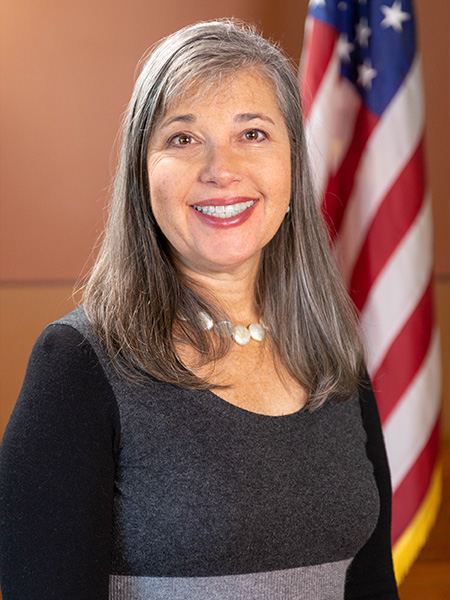
Rep. Jennifer Boylan
Sponsored bills
Requires the dept of behavioral healthcare/developmental disabilities/hospitals to coordinate with the DOH to propose revisions to chapter 1.10 and 10.1 of title 23, including updates and revisions of statutory language and evidence-based best practices.
Permits the family court to disclose criminal records of juvenile offenders to the National Instant Criminal Background Check System for the purposes of background check conducted when an individual attempts to purchase a firearm.
Defines "crime gun" and requires law enforcement to submit crime gun or 2 fired cartridge cases seized to state crime laboratory or the BATF for testing and tracing and also requires 2 test-fired cartridge cases to be entered into NIBIN.
Maddy summaryThis bill designates May 28, 2024, as "Arts Advocacy Day" throughout Rhode Island to highlight the importance of the arts sector. It acknowledges that the arts contribute significantly to the state's economy, education, and community life, noting that the industry has faced challenges following the pandemic. The resolution urges residents to support local arts programs and directs the Secretary of State to send copies of the proclamation to relevant arts organizations.
Maddy summaryThis bill officially designates May 23, 2024, as "Rhode Island Community Health Center Day" to honor the work of these facilities. It directly affects the eight specific community health centers listed in the resolution, which provide affordable medical, dental, and behavioral care to over 200,000 Rhode Islanders. The resolution highlights the centers' significant contributions, including their employment of thousands of staff and generation of hundreds of millions in economic activity. Additionally, it instructs the Secretary of State to send certified copies of the proclamation to each of the eight named organizations.
Relieves East Providence from providing any educational/financial resources to children in the CRAFT program or other Bradley Hospital programs. Requires the school district of origin where the student was last registered to bear this responsibility.
Maddy summaryThis resolution officially designates May 2024 as Jewish American Heritage Month within the State of Rhode Island. The measure aims to recognize and celebrate the historical contributions and cultural significance of the Jewish community in the state, which includes approximately 18,750 residents. It directs the Secretary of State to send a certified copy of the resolution to the National Association of Jewish Legislators. The text highlights the community's long history in Rhode Island and its impact on American society, including roles in science, civil rights, and the arts.
Provides that a defendant's third and subsequent violation of domestic violence offenses, including both prior felony and misdemeanor convictions, be punishable as a felony.
Maddy summaryThis bill establishes the Medical Primary Care Scholarship Program in Rhode Island to address a shortage of healthcare providers by offering financial aid to students pursuing careers in primary care. Administered by the Commissioner of Postsecondary Education, the program provides up to $70,000 annually for medical students and $47,000 annually for nurse practitioner or physician assistant students, with a limit of five new awards per category each year. To receive these funds, applicants must maintain excellent academic standing and agree to work full-time in primary care within the state for two years after completing their education and licensing. The legislation also allows the commissioner to create a nonprofit organization to manage the program's administrative services and set specific selection criteria to ensure diversity and commitment to the state.