

Maddy summaryThis bill is a House resolution honoring the life and legacy of baseball player Davey Lopes, who passed away after complications from Parkinson's disease. It recognizes his distinguished 45-year career in professional baseball, highlighting his achievements as a second baseman, base stealer, coach, and manager. The resolution expresses the House's condolences and directs the Secretary of State to send a certified copy of the document to Lopes's family.
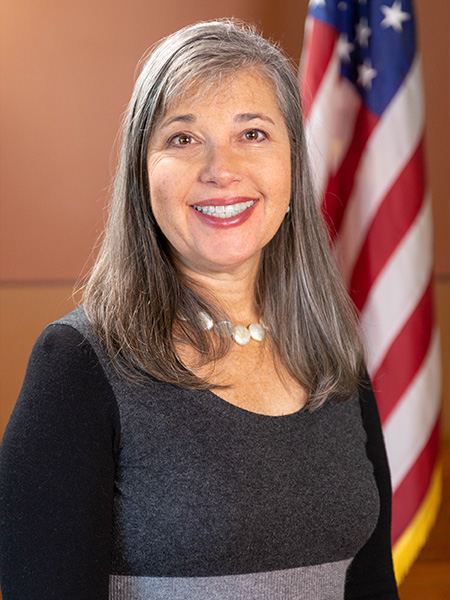
Rep. Jennifer Boylan
Sponsored bills
Maddy summaryHB 8401 strengthens the oversight of medical malpractice insurance for hospitals affiliated with accredited medical schools in Rhode Island. The bill requires these hospitals to obtain prior approval from the Department of Business Regulation before establishing or maintaining any self-insurance program for malpractice liability. To qualify, hospitals must demonstrate financial solvency, adequate reserves, and the ability to pay claims, with the department retaining the power to audit, examine, and revoke approval if standards are not met. Additionally, the legislation mandates that all forms of medical malpractice coverage, including self-insurance and captive arrangements, meet specific state-set limits and undergo annual renewal. Finally, the bill requires these entities to report claims, settlements, and judgments to relevant medical licensing boards within 30 days.
Maddy summaryThis bill proposes a $25 million bond referendum to the Rhode Island voters for approval at the November 2026 election to fund a statewide bicycle infrastructure network. If approved, the state would issue bonds to finance planning, design, and construction of priority projects outlined in the Rhode Island Statewide Bicycle Mobility Plan. The funding would support building safe, connected bicycle facilities across the state to improve transportation options, reduce emissions, and promote public health. The bill requires voter approval before any bonds can be issued, ensuring public consent for the capital investment.
Prohibits payers from requiring uncompensated referral coordination by primary care providers, require either elimination of referral prior authorizations, and prevent denial of lab coverage based solely on diagnostic coding differences.
Allows primary care practices to offer optional fees for non-covered services while requiring equal medical care for all patients and protecting access to medically necessary services regardless of ability to pay.
Maddy summaryHB 7698 creates a tax credit for businesses that donate "apparently wholesome food" (food safe for consumption meeting basic safety standards) to qualifying nonprofits. Businesses like restaurants, grocers, farms, and hospitals can claim a credit equal to 75% of the donated food's fair market value, capped at $5,000 annually per business. Nonprofits receiving donations must verify the food meets safety standards and is used to serve the needy, providing a certificate to the donor. The credit applies to taxes under specific chapters of the tax code and takes effect January 1, 2027.
Maddy summaryHB 7823 proposes a universal healthcare system called "RICare" that would guarantee all Rhode Island residents access to primary and preventive care through a single public insurance program, replacing the current multi-payer system. The bill creates a unified payment system to consolidate administrative costs, establishes a RICare board and fund for oversight, and requires state agencies to coordinate implementation, including workforce planning for transitions. It directly affects every state resident by ensuring comprehensive coverage regardless of income or pre-existing conditions, while focusing on reducing costs through streamlined administration rather than employer-sponsored insurance.
Authorizes pharmacists to order, perform and interpret CLIA-waived tests authorized by statewide protocol and prescribe medications, and permits coverage by all health insurance carriers.
Establishes the Residential and Commercial Property Acquisition Program Act to implement residential or commercial property acquisitions, paired with funding for relocation costs within or proximate to the current community.
Maddy summaryHB 8197 exempts the purchase of new or used bicycles and bicycle parts from state sales and use taxes. This directly affects consumers buying bikes or parts, as well as retailers selling them, by removing a tax burden on these items. The bill’s key mechanism is amending the tax code to specifically exclude bicycles and parts from taxable sales, simplifying the tax treatment for these goods. The bill was introduced on February 27, 2026, and referred to the House Finance Committee.