

Establishes the restrictive housing oversight committee ("committee") for the purpose of monitoring the use of restrictive housing ("solitary confinement"), as well as disciplinary and administrative confinement at the department of corrections.
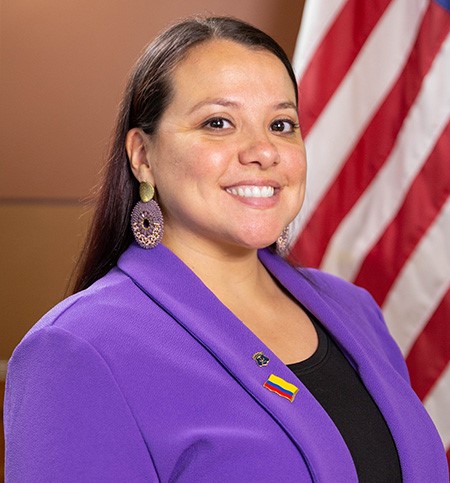
Rep. Karen Alzate
Sponsored bills
Creates a special legislative commission of 17 members whose purpose would be to study evaluate and make recommendations regarding educator preparation, licensure, certification and early-career support systems in the state.
Extends the reporting and expiration dates of the commission to study an anti-littering education program for RI public elementary school students from February 2, 2026, to February 2, 2027, and would expire on April 2, 2027.
Authorizes the automatic expungement of eligible conviction records by operation of law, initiated and completed by state agencies through electronic processes established within the judicial system.
Prohibits the use of genetic information for purposes of determining eligibility, setting premium rates, or imposing preexisting condition exclusions for life insurance, disability insurance, or long-term care insurance.
Requires that any private short-term disability insurance (STDI) carrier that bids to provide coverage to Rhode Island state employees must cover all eligible employees, regardless of age.
Allows municipalities participating in the state prekindergarten program to accept students from outside the municipality under certain conditions and establishes a lottery for enrollment in the program.
Prohibits the courts from setting cash or surety bail on any misdemeanor offense but permits the court to set reasonable non-monetary conditions of bail to assure the defendant's presence in court as required and to protect the community.
Maddy summaryHB 7204 would allow individuals with multiple non-violent felony convictions to petition for the removal of their criminal records after completing their sentences for 10 years. This applies to people with more than one felony conviction (excluding crimes of violence) who have paid all court fees and fines, maintained a clean record for 10 years, and demonstrated good moral character. The bill amends existing expungement laws to expand eligibility beyond single offenses, specifically targeting those with multiple non-violent felony convictions. It does not apply to violent felony convictions or cases involving certain offenses under Chapter 29 of Title 12.
Allows eligible individuals serving sentences of imprisonment to seek sentence reductions from the superior court, individuals serving life without parole or minimum mandatory sentences pursuant to law, would not be eligible for such relief.