

Maddy summaryHB 7421 requires the Department of Revenue to annually report to the budget office the costs cities, towns, and school districts incurred for state mandates established after 1979. It mandates a public report, published on the state transparency portal, identifying school district costs that are partially funded or unfunded by the state. This report must be provided to the governor, legislature, and the public to inform budget decisions. The bill directly affects school districts bearing uncovered costs and local governments seeking reimbursement for state-mandated expenses.
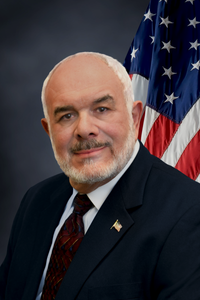
Rep. Dick Fascia
Sponsored bills
Maddy summaryHB 7420 updates how state education funding is calculated to address inequities, primarily affecting school districts with high numbers of students in poverty. It introduces a new formula that factors in a district's revenue capacity and poverty levels to determine state aid, with a poverty loss stabilization fund for districts seeing aid drops over 2%. The bill also creates specific state-funded programs for special education costs, career and technical education, pre-K access, and stabilization for districts like Central Falls, Davies, and the Met Center. It requires the state to publish a report identifying unfunded district costs and share this with lawmakers and the public. These changes aim to adjust funding based on need while adding targeted support for specific educational programs and struggling districts.
Maddy summaryThis bill proposes to increase the penalties for several serious motor vehicle offenses, including driving while endangering others and driving under the influence. Specifically, it would raise the maximum prison sentences and fines for cases resulting in death or serious bodily injury, while also extending license suspension periods. The changes apply to drivers convicted of these crimes and would require them to complete alcohol or drug treatment programs at their own expense. The bill aims to strengthen consequences for dangerous driving behaviors that cause severe harm to others.
Dictates the length a search warrant involving a tracking device would be valid and provide a process to extend the time frame of the tracking device for good cause.
Allows the personal representative of a decedent’s estate to discharge the estate tax lien by recording with decedent’s municipality, a statement stating decedent’s gross estate does not require a state or federal estate tax filing pursuant to §44-22-1.1.
Establishes the office of inspector general as an independent administrative agency charged with the responsibility to investigate, detect, and prevent fraud, waste, abuse, and mismanagement in the expenditure of public funds.
Requires the general assembly to cap expenditures based on a five (5) year increase in personal income or the annual rate of inflation based on the consumer price index.
Maddy summaryHB 8088 would allow judges to issue search warrants electronically for DUI (Driving Under the Influence) cases under specific conditions, replacing the current paper-based process. This change would directly affect law enforcement officers and courts handling DUI investigations by enabling digital warrant issuance instead of physical documents. The key provision authorizes electronic warrants to be transmitted and processed through digital systems for searches related to DUI offenses. The bill does not alter the legal standards for obtaining a warrant but updates the method of issuance.
Increases the fines for certain traffic offenses to one hundred dollars ($100) and adds fines of one hundred dollars ($100) for offenses required by law but omitted from the schedule.
Adds criminal penalties for operation of a motor vehicle after a suspension for lack of physical or mental fitness, or as a result of frequency of offenses pursuant to § 31-11-7 (a)(1)(i) or as result of a court ordered suspension.