

Maddy summaryHB 5826 creates a new process allowing condominium associations to require written approval from unit mortgage holders (homeowners' lenders) for certain association actions, such as major repairs or budget changes. It specifies that associations must mail written requests to mortgage holders using recorded addresses, and if no written denial is received within 60 days, the approval is deemed granted. The bill explicitly states that mortgage holder approval cannot override basic association control over daily operations or affect litigation, insurance claims, or legal proceedings. This bill directly affects condo associations and their lenders, adding a formal step for certain decisions. The bill was introduced in February 2025 but withdrawn on March 4, 2025.
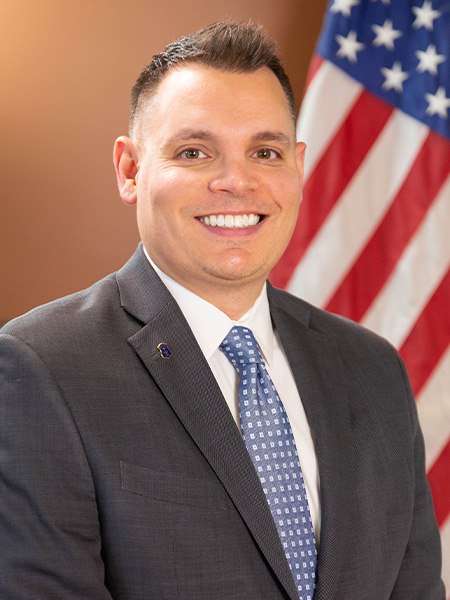
Rep. Brandon Potter
Sponsored bills
Maddy summaryHB 5965 would authorize Cranston's city council to create a homestead exemption program, allowing residential property owners to reduce their local property tax bill by up to 20% of their home's assessed value. This exemption would apply only to properties used exclusively for single-family residential purposes (with fewer than three dwelling units) and requires the city council to establish specific eligibility rules. The bill does not automatically implement the exemption but grants Cranston the legal authority to adopt such a program through local ordinance. It would take effect on December 31, 2025, if passed. This bill directly affects Cranston homeowners who own qualifying single-family residences.
Makes any offense under this statute that could result in the death of an animal punishable by up to 3 years in prison, a fine of at least $1,000, or both, for each offense.
Permits, effective 7/1/25, the family court to make appropriate orders of support and education of any child who has attained 18 years of age, but not 21, who is domiciled in the home of a parent, and is principally dependent upon said parent for support.
Bans preferential treatment to a public or private university applicant because of the student's familial relationship to a previous university attendee.
Permits retired state employees to receive mileage and wages, if applicable, equal to that of full-time members of the board or commission; provided, however, in no event shall the amount be greater than ten thousand dollars ($10,000) per year.
Maddy summaryThis is a ceremonial resolution (not a policy bill) expressing the Rhode Island House of Representatives' condolences upon the death of Judge Bruce Selya, a former U.S. Court of Appeals judge for the First Circuit. It formally honors his 40+ year judicial career, his service to Rhode Island, and his legacy as a respected jurist and community leader. The resolution directs the Secretary of State to send certified copies to Judge Selya's family. As a symbolic gesture, it has no legislative effect or policy changes.
Maddy summaryHB 5424 establishes the Rhode Island Climate Superfund Act, requiring large fossil fuel companies that emitted over one billion tons of greenhouse gases between 1990 and 2024 to pay for climate adaptation work already done by the state and municipalities. The bill targets corporations that profited from fossil fuels, directing payments toward climate response efforts like coastal protection, infrastructure upgrades, and emergency planning. Funds collected will be deposited into a dedicated account and used exclusively for qualifying climate adaptation projects. The program mandates that companies pay their share based on emissions data within six months of a formal demand, with payment plans allowed only for very small amounts relative to their profits.
Requires a municipality to disclose on their official website the specific issues, details and costs of any legal action of which the town or city is a named defendant within sixty (60) days after the close of their fiscal year.
Maddy summaryHB 5334 requires veterinarians to provide pet owners with a consultation when prescribing or dispensing medication for an animal patient. The consultation must cover the drug name, dosage instructions, storage, actions for missed doses, and potential severe side effects, as specified in the bill. Veterinarians may delegate this task to registered veterinary technicians and must document whether the consultation was provided or declined in the animal's medical record. The law takes effect January 1, 2026, directly affecting veterinarians and pet owners in their medication communication process.