

Maddy summaryHB 6290 proposes a new wealth tax in Rhode Island, directly affecting both individuals and various business entities considered residents of the state. Beginning January 1, 2026, it imposes a one percent (1%) tax on a resident's "taxable worldwide wealth." This wealth is defined as the fair market value of all intangible assets, such as cash, investments, patents, and trademarks, owned or controlled by the resident. Residents will be required to file annual returns by April 15th to report their wealth from the preceding calendar year.
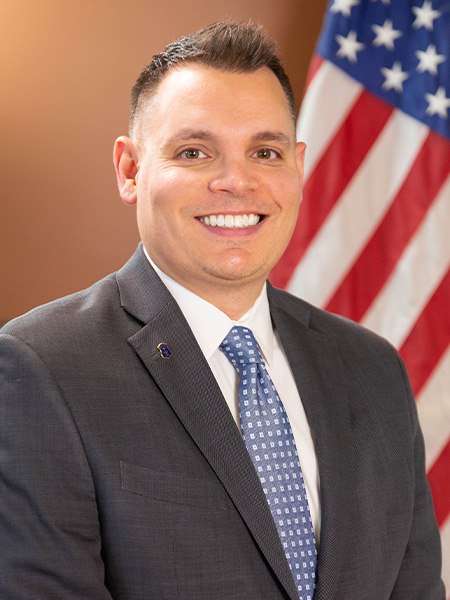
Rep. Brandon Potter
Sponsored bills
Maddy summaryHB 5145 amends the existing definitions related to motor vehicles. Specifically, it expands the definition of an "automobile" for registration purposes to include trucks that have a gross vehicle weight of 8,000 pounds or less. This change allows owners of these lighter trucks to obtain passenger registration license plates instead of other types of vehicle registration.
Submits the state's 2025 capital development program requesting the issuance of general obligation bonds totaling twenty five million dollars ($25,000,000) for approval of the electorate at the general election to be held on November 3, 2026.
Maddy summaryHB 5317 amends the law regarding the relocation of utility services necessitated by state highway construction projects. This bill specifies that private corporations and companies will be reimbursed by the state for 50% of the reasonable costs to move their utility facilities. For utility facilities owned by municipalities, political subdivisions, or state agencies, the state will provide full reimbursement for relocation expenses. These reimbursements apply when state-initiated highway projects require the relocation of utility infrastructure.
Maddy summaryHB 5144 proposes to change the methodology for Medical Assistance (Medicaid) payments to nursing facilities and other long-term care providers. It authorizes the Executive Office of Health and Human Services (EOHHS) to review and modify the current system, allowing a shift from a price-based methodology back to a cost-based one. This new system would account for factors like patient needs, facility operating costs, and include regular inflation adjustments. A significant portion of future rate increases would be dedicated to boosting compensation for eligible direct-care workers. The bill also mandates comprehensive rate reviews every three years and establishes incentives for facilities that meet performance benchmarks.
Prohibits the Rhode Island medical assistance program and managed care organizations that it contracts with from requiring prior authorization or step therapy protocol for a prescription of a nonpreferred anticonvulsant or antipsychotic.
Prohibits force-feeding to create a force-fed poultry product or the hiring of another to engage in force-feeding of a poultry product. Violations would be subject to a civil penalty of $500 per violation.
Directs the DHS and the department of education to work collaboratively to sustain and strengthen existing workforce development and compensation programs for educators working in licensed child care and early learning programs statewide.
Provides funding to establish a dual language program within the department of elementary and secondary education. It also describe how to implement he Support and Access to Bilingual Education “SABE Act” for all Local Education Agencies “LEA” recipients.
Maddy summaryHB 5199, the Rhode Island Prekindergarten Education Act, seeks to expand and improve access to high-quality prekindergarten programs for three and four-year-olds throughout the state. It directs the Department of Elementary and Secondary Education (DESE) to establish quality standards for these programs, which will operate through a mixed network including Head Start, public schools, and licensed child care providers. The bill also requires competitive wages and benefits for prekindergarten and Head Start teachers and establishes a working group to address workforce development in early childhood education. Beginning July 1, 2025, 30% of new pre-kindergarten expansion funds will be set aside to support early learning programs for infants and toddlers.