

Maddy summaryHB 7620 prohibits the construction and operation of new plastic waste conversion facilities in Rhode Island. The bill bans permits for facilities that use "regulated technologies" (including gasification, pyrolysis, and chemical processes) to convert plastic waste into fuels, chemical feedstocks, or other products. It directly affects developers seeking to build such facilities and aims to prevent environmental and health risks linked to toxic emissions and hazardous waste. The law defines these facilities broadly to include "advanced recycling" or "molecular recycling" operations, regardless of how they are marketed.
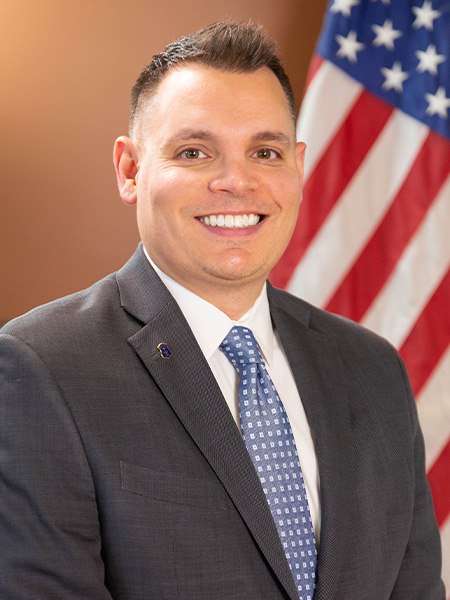
Rep. Brandon Potter
Sponsored bills
Requires the division of statewide planning coordinate a wastewater capacity study to evaluate the capacity, flows, physical conditions, regulatory compliance and vulnerabilities to natural hazards of publicly/privately owned wastewater infrastructure.
Updates the Homeless Bill of Rights law to add rules governing the interaction with encampments and includes the right to access clean and sanitary conditions.
Maddy summaryHR 7812 is a joint resolution appropriating $3.5 million from the state treasury for the restoration and enhancement of the paved walking path around Meshanticut Lake in Cranston, Rhode Island. The funds will address safety hazards like cracks and uneven terrain caused by wear and weather, with specific focus on resurfacing and structural improvements to ensure safe, accessible access for all users. This directly benefits Cranston residents - over 82,000 people - including park visitors of all ages, local youth athletes from schools like Cranston High School, and individuals with mobility impairments. The resolution authorizes the state controller to release the funds upon proper documentation, aiming to preserve the park as a key recreational resource.
Prohibits force-feeding to create a force-fed poultry product or the hiring of another to engage in force-feeding of a poultry product. It also prohibits the sale of a force-fed poultry product or food containing a force-fed poultry product.
Maddy summaryHB 7054 establishes guidelines to expand and sustain public prekindergarten programs for all Rhode Island children aged 3 and 4. It requires the state to ensure at least 70% of these children enroll in high-quality programs through a mixed delivery system including public schools, Head Start, and licensed child care. The bill mandates research-based quality standards covering teacher qualifications, class sizes, curriculum, and support for children with special needs or who are learning English. It also requires competitive wages for prekindergarten teachers (comparable to K teachers) and directs 30% of new prekindergarten funding to expand infant and toddler care programs. The law directly affects children, early educators, and child care providers across Rhode Island.
Removes the intent requirement relative to the definitions of "abuse" within the chapter on "abuse in healthcare facilities" and amends the definitions of "abuse" and "neglect" with regard to elderly affairs by deleting the element of willful conduct.
Maddy summaryHB 7044 establishes an 11-member committee to develop regulations for homeless shelters in Rhode Island. The committee, including homeless individuals, advocates, shelter providers, and housing officials, will draft standards covering access policies, residents' rights, health and safety protocols, and emergency operations. These regulations will ensure shelters provide non-discriminatory services, prohibit fees, protect privacy, and maintain safe environments for residents. The bill does not immediately implement rules but creates a process for developing them through the committee's recommendations.
Establishes rules and procedures for licensing emergency shelters for homeless persons, including setting minimum standards and prohibiting the charging of fees to the residents.
Requires law enforcement agencies to obtain search warrants for electronic information, data, location information and other identifying information of subscribers and customers, except in specified circumstances.